


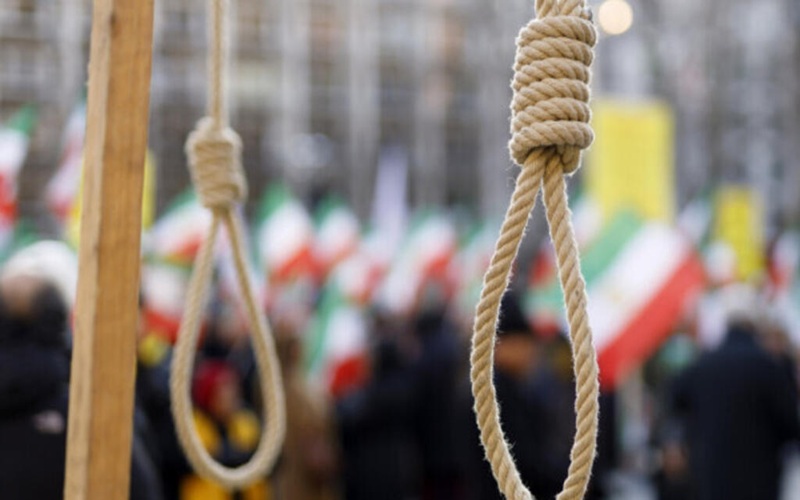

International rights advocates say any lasting agreement on Iran must address executions, arbitrary arrests, torture, enforced disappearances, and demands for democratic change.
As international efforts move forward following the signing of a memorandum of understanding aimed at ending months of conflict involving Iran, leading human rights experts and Amnesty International have issued a clear warning: peace and stability cannot be achieved while the Iranian regime continues its campaign of repression against its own people.
In separate statements released this week, United Nations Special Procedures experts and Amnesty International stressed that any agreement concerning Iran’s future must include concrete measures to protect human rights, end executions, secure the release of political detainees, and hold perpetrators of abuses accountable.
UN Experts: Iranian People Must Not Be Forgotten
A group of UN human rights experts welcomed the prospect of an end to hostilities but cautioned that the recently signed framework largely focuses on military, economic, and strategic issues while failing to adequately address the plight of the Iranian people.
According to the experts, the war has inflicted severe damage across Iran, including civilian casualties, displacement, environmental destruction, and economic hardship. However, they emphasized that the Islamic Republic has simultaneously intensified domestic repression.
The experts reported that since the conflict began in late February, Iranian authorities have carried out a sweeping crackdown on dissent. Thousands of people have reportedly been detained, while many have faced torture, enforced disappearance, forced confessions, and mock executions.
Particularly alarming is the escalation in executions. The UN experts stated that at least 156 people have been executed since the start of the war, including dozens convicted on espionage and national security charges following proceedings reportedly marked by torture and denial of legal representation.
Religious and ethnic minorities, including Bahá’ís, Kurds, and Baluch citizens, were identified as especially vulnerable to persecution.
The experts also highlighted the regime’s use of asset confiscation as a tool of punishment and transnational repression, affecting at least 1,500 individuals, including many Iranians living abroad.
Economic Hardship Deepened by Repression
Beyond political persecution, the UN experts pointed to the worsening economic crisis facing ordinary Iranians.
A months-long near-total internet shutdown disrupted businesses, communications, and livelihoods throughout the country. Although connectivity has partially returned, extensive censorship and filtering remain in place.
The experts noted that unemployment has risen sharply, food inflation has reportedly reached 115 percent, and delayed wage payments have left many workers struggling to survive.
While welcoming plans for a major reconstruction fund, they stressed that any economic assistance must directly benefit the Iranian people rather than strengthen the structures responsible for repression.
Amnesty International: Repression Continues Despite Ceasefire
Amnesty International echoed many of the concerns raised by the UN experts, warning that an end to military operations does not automatically bring safety or freedom to Iran’s population.
The organization stated that Iranian authorities have intensified their crackdown during the conflict, carrying out mass arbitrary arrests, enforced disappearances, torture, politically motivated prosecutions, and executions.
According to Amnesty International, more than 6,000 people have been arbitrarily detained since the outbreak of the war, while at least 44 individuals have been executed.
The organization warned that protesters, dissidents, and advocates of democratic change remain at serious risk.
Amnesty further stressed that any diplomatic process involving Iran must include safeguards against future atrocities and support the demands of Iranian civil society for fundamental political and human rights reforms.
Calls for Accountability and Fundamental Change
Both the UN experts and Amnesty International emphasized that a durable peace requires more than the cessation of armed conflict.
The UN experts called for verifiable commitments from Iranian authorities, including a moratorium on executions, the release of arbitrarily detained prisoners, disclosure of the fate of forcibly disappeared individuals, restoration of open internet access, and protection of civic freedoms.
They also urged governments involved in mediation efforts to ensure that accountability, justice, and reparations for victims are incorporated into any final agreement.
For millions of Iranians who have repeatedly taken to the streets demanding freedom, democracy, and an end to authoritarian rule, international human rights advocates argue that genuine stability can only be achieved when the regime’s systematic repression is addressed.
As the diplomatic process moves forward, the message from human rights organizations is increasingly clear: ending hostilities is only the first step. The struggle for justice, accountability, and fundamental rights inside Iran remains unresolved.