



Tehran’s desperate propaganda after Brussels rally and international backlash exposes its weakness
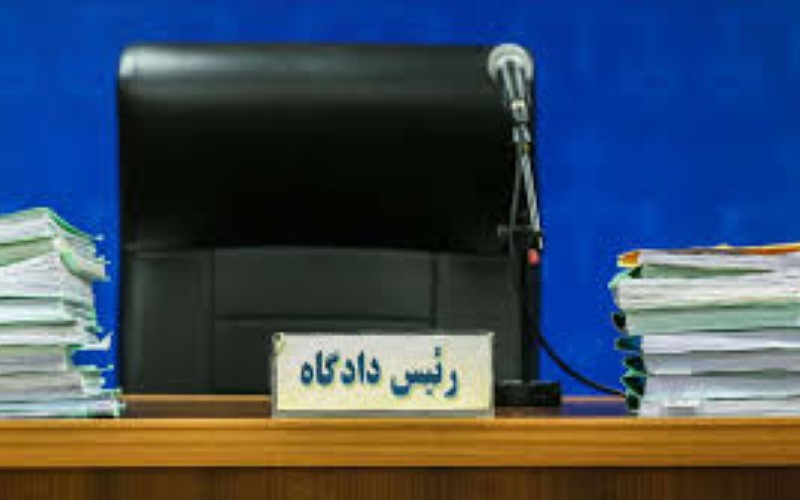
In the aftermath of the massive Iranian opposition rally in Brussels on September 6, which attracted global attention, the Iranian regime’s judiciary hastily staged another propaganda stunt. Officials announced the trial of four supposed “Mossad and MEK agents,” dragging two detainees and even their relatives into court in a clumsy attempt to smear the Iranian Resistance.
The absurdity of the claim is evident. The names of those detained had already been provided by the Iranian Resistance to the United Nations and international human rights organizations in May 2025, a full month before the 12-day war broke out. This timeline alone exposes the fabricated nature of the allegations.
A desperate distraction after executions and protests
The regime’s move came immediately after its execution of Mehran Bahramian, a young man from Semirom, on September 6—the same day as the Brussels rally and the 60th anniversary of the People’s Mojahedin Organization of Iran (PMOI/MEK). This execution drew widespread condemnation both domestically and internationally. To deflect attention from the outrage, on September 7 the judiciary announced the opening of a so-called espionage case.
Fabricated charges and recycled propaganda
According to state-run Mizan News Agency, Hossein Fazeli Harikandi, head of the Alborz Province judiciary, claimed that a four-person “espionage network” consisting of three men and one woman had ties to both Mossad and the MEK. He alleged that the defendants had sent “coordinates of sensitive sites, carried out arson attacks,” and even received training in “building explosive projectiles and launchers.”
The judiciary further accused the MEK of providing them with money through cryptocurrency. Yet despite these sweeping claims, Fazeli Harikandi admitted that only two people were actually arrested.
Notably, regime officials once again used the derogatory term “hypocrites” to describe the MEK. This slur, or Monafeqin in Persian, is widely employed by Tehran’s propaganda apparatus to delegitimize the main Iranian opposition movement.
The regime’s shifting narratives
For decades, the clerical regime has attempted to tarnish the MEK by alleging links with whichever foreign power best fit its immediate needs—at various times blaming the Soviet Union, the United States, Iraq, Saudi Arabia, or France. Now, Tehran has shifted to portraying the MEK as an extension of Mossad.
The contradiction is glaring: if the arrests truly related to Mossad, why did the regime wait until months after the 12-day war to make such claims? And why would an intelligence agency of Mossad’s caliber rely on “homemade launchers” for an alleged military operation?
A sign of desperation
Far from projecting strength, these latest fabrications reveal Tehran’s weakness and desperation. Confronted with growing public anger over executions and rising international support for the Iranian Resistance, the regime is resorting to crude propaganda. Its efforts to discredit the MEK only underline the movement’s increasing prominence inside Iran and on the world stage.