


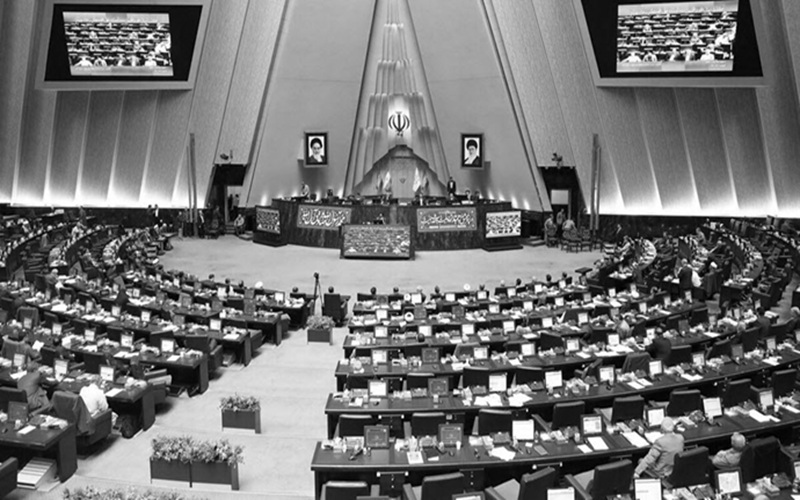

Even regime-affiliated media admit that 91% of Iranians are dissatisfied with the ruling system, as decades of repression and failed reforms leave the clerical regime without legitimacy or public support.
Since the beginning of 2025, Iran’s ruling regime has been facing an even deeper legitimacy crisis than before—one now openly acknowledged by its own officials and media outlets.
Over the past three presidential elections, the Iranian people have demonstrated their rejection of this system by boycotting the regime’s sham electoral process. The entire structure of this sovereignty is illegitimate, unlawful, and represents nothing more than a dictatorial and occupying authority.
This truth has become so evident that even regime insiders have begun to admit it. As one official recently acknowledged, “Society is facing a 47-year record—it is no longer divided into reformists and principlists, and 91% of Iranians are dissatisfied with the current situation.”
Regime Media Admits Nationwide Discontent
On October 7, the state-affiliated Entekhab website published a revealing discussion between two figures representing the so-called reformist and principlist factions. The site quoted Saeed Shariati as saying:
“The facts show that society’s dissatisfaction with the structure of governance is widespread and multi-layered. According to the opinion poll on Iranian values and attitudes conducted in October 2023, 91% of society is dissatisfied with the current situation.”
Although the survey was conducted two years ago, the situation has only worsened. In that time, the regime has become increasingly isolated, fractured, and incapable of addressing society’s growing social and economic demands.
Instead, it has sought to preserve its rule through widespread arrests and executions. Yet despite these waves of repression—and despite the theatrical maneuvers of so-called reformists attempting to breathe life into the decaying system—the Iranian public continues to reject the regime in its entirety and declares it illegitimate.
Entekhab further admitted:
“Society is now facing a 47-year record and no longer distinguishes between reformists and principlists. The people’s question is not whether the reformists succeeded or the principlists—they reject the entire system.”
The Collapse of the Regime’s Social Base
The regime’s loss of public support began years ago. Through relentless repression and totalitarian propaganda, it distorted the relationship between the state and the people, attempting to conceal its growing illegitimacy. Even within the system itself, many recognized this crisis and sought artificial ways to restore a semblance of credibility.
The selection of Masoud Pezeshkian as president is a direct product of this desperate attempt. As Entekhab explained:
“Mr. Pezeshkian was disqualified by the Guardian Council in both the 2023 and 2024 parliamentary elections. It was only through the leadership’s intervention that he was reinstated with 12 positive votes. Otherwise, supervisory approval would have never allowed Pezeshkian to become president. When voter turnout fell below 20%, the leadership realized that if this trend continued, the system would lose all legitimacy. They decided they had no choice but to allow a few reformist candidates to participate.”
A Regime Without a Society
Reflecting the regime’s shrinking social base, Entekhab also pointed to its failed attempts to mobilize public demonstrations. The website compared regime-organized rallies in support of Gaza with genuine international protests, writing:
“We don’t have a civil society. Here, when we hold a march to support the people of Gaza, only about 5,000 people take to the streets. And this is despite all our slogans. Meanwhile, in Berlin and Sydney, millions come out to defend and support Gaza because their civil societies are strong.”
A System in Freefall
These rare admissions from regime media and insiders highlight a stark truth: the clerical regime’s legitimacy has eroded beyond repair. Despite its efforts to manipulate elections, suppress dissent, and control public opinion, the Iranian people have made their stance unmistakably clear.
The divide between rulers and the ruled has become absolute—and no façade of reform or propaganda can bridge it.