


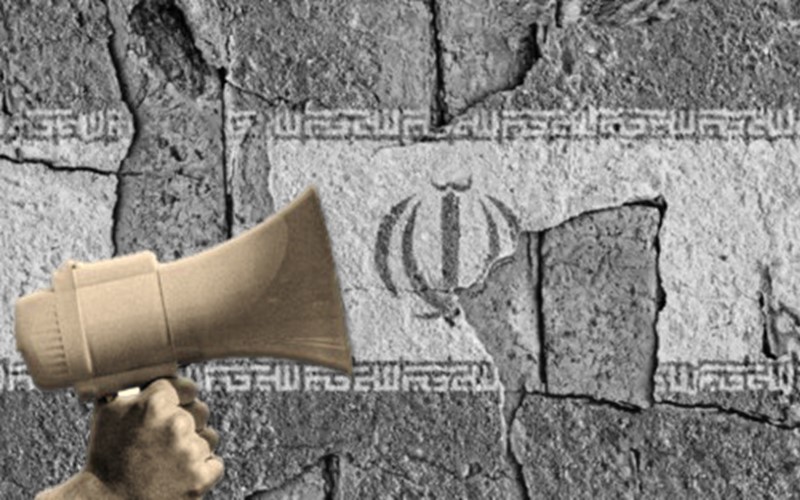

The Iranian regime is on the brink of collapse. Every day, it faces widespread protests, outraged citizens, and public discontent over rampant corruption, injustice, and brutal repression. How does the clerical regime respond to these grievances? With daily executions, savage torture, arbitrary imprisonment, and widespread oppression.
This is the grim reality of Iran under the rule of the mullahs.
Yet, despite the regime’s deteriorating situation, Western governments persist in their failed policy of appeasement. While the theocracy in Tehran is imploding from within, the West continues to offer lifelines through concessions and blackmail payments instead of standing in solidarity with the Iranian people and their organized resistance.
Hostage-Taking as a Political Weapon
The Iranian regime has turned hostage-taking into a state-sanctioned strategy, detaining foreign nationals and dual citizens to further its political agenda. The most egregious aspect of this policy is that the price of these hostages’ release is not paid by Western governments—it is extracted from the Iranian resistance. The lives of Iranian political prisoners, who endure years of suffering in the regime’s dungeons for the mere aspiration of freedom, are treated as bargaining chips in these disgraceful transactions.
With its hands drenched in blood and bolstered by Western complacency, the regime has transformed hostage-taking into a lucrative enterprise. The recent cases of diplomat-terrorist Asadollah Asadi and torturer Hamid Nouri illustrate this reality. Western nations’ appeasement and capitulation to Tehran’s demands have only encouraged this criminal behavior. Had the West demonstrated strength and resolve in dealing with the Iranian regime rather than indulging in appeasement, hostage diplomacy would have ended in the 1980s.
The West’s Complicity in a Shameful Scenario
One of the most disturbing aspects of this policy of appeasement is the orchestration of propaganda against the Iranian resistance to justify unjust deals. The process typically follows a pattern:
- Western media outlets, often influenced by the Iranian regime, produce and distribute so-called “documentaries” designed to discredit the People’s Mojahedin Organization of Iran (PMOI/MEK), the largest and most organized opposition movement. These productions, created using Tehran’s own archives and under its direct supervision, are given false legitimacy through screenings at international film festivals.
- Simultaneously, regime-affiliated media and individuals spread misinformation, falsely accusing the resistance of “money laundering” and “coercion in financial aid” while publishing fabricated statistics about the president-elect of the National Council Resistance of Iran (NCRI) Mrs. Maryam Rajavi and the PMOI/MEK.
- This coordinated propaganda campaign prepares the ground for Western governments to justify their disgraceful deals with Tehran under the guise of diplomacy.
Appeasement: A Betrayal of the Iranian People
The West’s appeasement policy is a betrayal of the thousands of Iranians who have sacrificed their lives in the struggle for freedom. A regime that survives through oppression, hostage-taking, and systemic violence should not be rewarded with further concessions and ransom payments.
The demand for the release of hostages must not come at the expense of the Iranian resistance. This regime is doomed to fall, and prolonging its existence through appeasement will only perpetuate its crimes. It is time for Western governments to abandon this failed policy, stand with the Iranian people, and support their legitimate struggle for freedom. The era of appeasement must end—before history remembers it as an unforgivable stain on Western diplomacy.