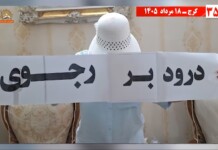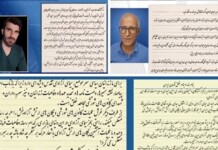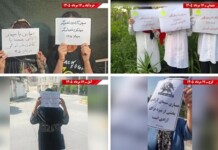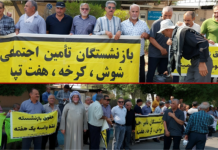

Around 1,500 death row inmates reportedly joined a hunger strike after fellow prisoners were transferred to solitary confinement, intensifying concerns over imminent executions and prison conditions.
Mass Protest Erupts Inside Qezel Hesar Prison
A large-scale hunger strike by death row prisoners at Qezel Hesar Prison has become one of the most significant collective prison protests in Iran in recent years, drawing attention to the regime’s continued use of the death penalty and the deteriorating conditions inside its prisons.
According to reports, images, and messages sent from inside the prison, approximately 1,500 prisoners in Unit 2, most of whom have been sentenced to death on drug-related charges, launched the protest after several inmates were transferred to solitary confinement—a move widely regarded by prisoners as the final step before executions are carried out.
As of July 20, the strike had entered its eighth day. While there has been no independent confirmation regarding whether the protest continued beyond that date, the reported developments have raised serious concerns about the prisoners’ welfare.
Solitary Confinement Sparked the Protest
The hunger strike began on July 13, when six prisoners sentenced to death on drug-related charges were removed from the general ward and placed in solitary confinement.
Within Iran’s prison system, such transfers are often viewed as an indication that executions are imminent.
Fearing that the prisoners would soon be executed, fellow inmates collectively refused food in an effort to pressure authorities to halt the executions and return the prisoners to the general ward.
The protesters have also demanded a review of death sentences, particularly those issued in drug-related cases, arguing that many convictions stem from circumstances rooted in poverty, unemployment, and severe economic hardship.
Prisoners Escalate Their Protest
As authorities reportedly failed to respond to the prisoners’ demands, the protest intensified.
Reports from inside the prison indicate that several inmates began a dry hunger strike, refusing both food and water, while others reportedly sewed their lips shut in a dramatic act of protest against the continued threat of executions.
Messages from inside the prison describe worsening health conditions among participants, with some prisoners requiring medical attention because of severe physical weakness.
The prisoners have maintained that their central demands are the protection of the right to life, an immediate halt to executions, and a review of their death sentences.
Alleged Restrictions on Communication
According to reports from informed sources, prison authorities sought to limit communication between inmates and the outside world during the early days of the strike.
These measures reportedly included disrupting communications, attempting to confiscate mobile phones, and preventing photographs and videos from leaving the prison.
Despite those efforts, prisoners succeeded in sending images, videos, and written messages documenting both the protest and the conditions inside the prison, allowing information about the strike to reach the public.
Families Demand a Halt to Executions
The prisoners’ protest has also drawn support from their families.
On July 19, relatives of several inmates gathered outside Qezel Hesar Prison, urging authorities to stop the executions and address the prisoners’ demands.
Family members expressed deep concern over the deteriorating health of those participating in the hunger strike and called for immediate action to prevent further loss of life.
The gathering, combined with images reportedly showing prisoners who had sewn their lips shut, has brought renewed attention to the situation inside one of Iran’s largest prisons.
Growing Concerns Over the Death Penalty
The reported hunger strike comes amid increasing domestic and international concern over Iran’s extensive use of capital punishment. Human rights organizations have repeatedly warned about the high number of executions carried out in the country, particularly in cases involving drug-related offenses and proceedings that critics say often fall short of international fair trial standards.
Whether the protest continued after July 20 has not yet been independently confirmed. Nevertheless, the reported mass participation, the escalation to dry hunger strikes, and concerns over the health of the prisoners underscore the growing desperation among death row inmates and the mounting scrutiny surrounding Iran’s use of the death penalty.
The events at Qezel Hesar Prison also reflect broader resistance by prisoners against executions, echoing the expanding “No to Executions Tuesdays” campaign that has gained momentum inside Iranian prisons in recent years.