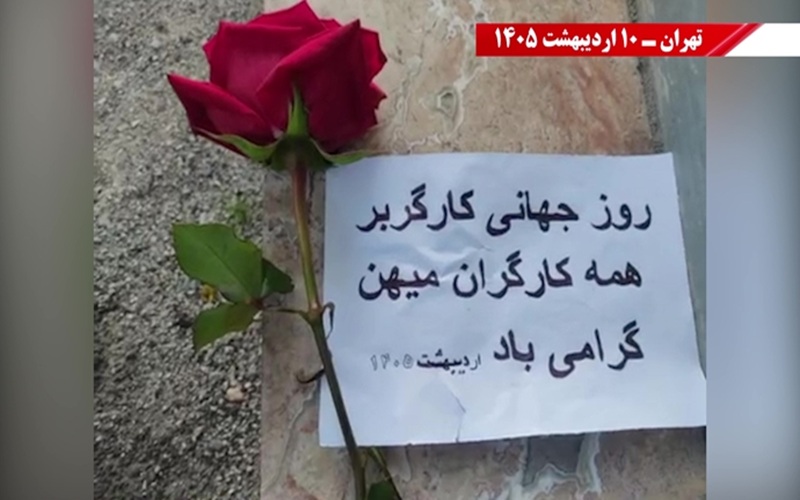

From factory floors to city streets, workers and resistance supporters turn International Workers’ Day into a platform for political confrontation
International Workers’ Day in Iran this year unfolded not as a state-managed celebration, but as a politically charged moment of dissent—driven by workers, activists, and networks aligned with the organized resistance. Across multiple cities, what emerged was a convergence of labor grievances and explicit calls for systemic change.
Reports from within the country indicate coordinated activities by young activists and resistance supporters who used May 1 not merely to commemorate workers, but to redefine the meaning of labor struggle under authoritarian rule. Their messaging was neither subtle nor reformist. It was structural, direct, and confrontational.

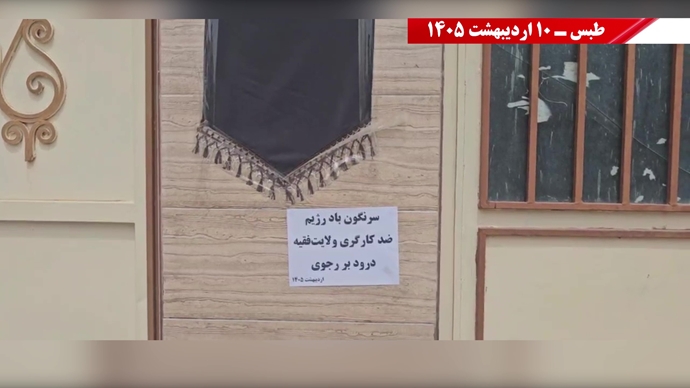
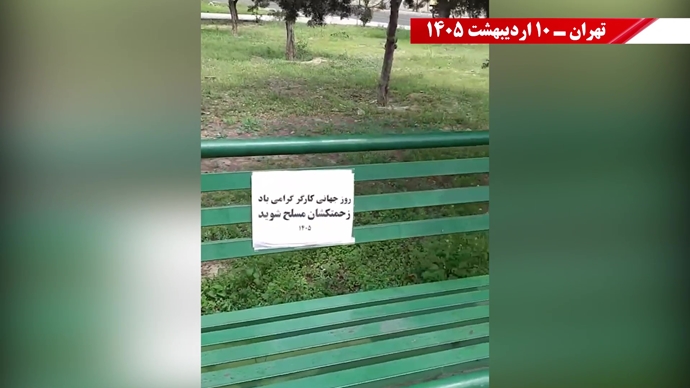
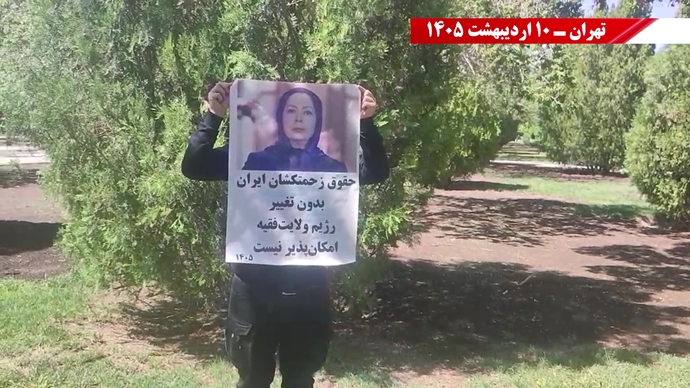
Among the most widely circulated slogans was a clear articulation of the link between labor rights and political transformation:
“The rights of Iran’s toilers are not achievable without changing the regime of Velayat-e Faqih.”
This framing reflects a growing sentiment that economic hardship—worsened by war, sanctions, and systemic mismanagement—cannot be separated from the governing structure itself.
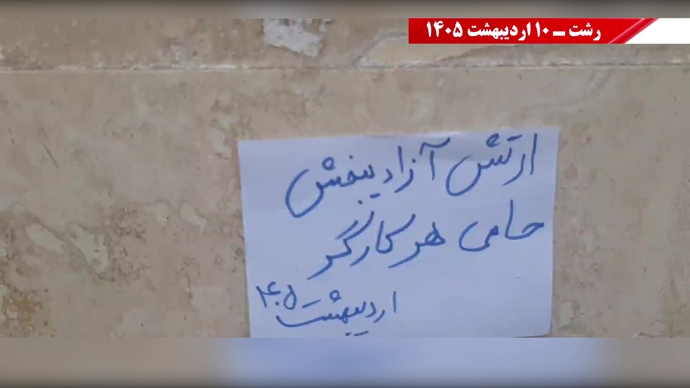
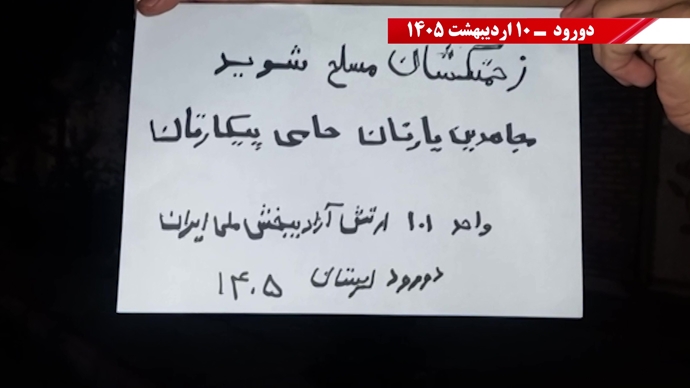
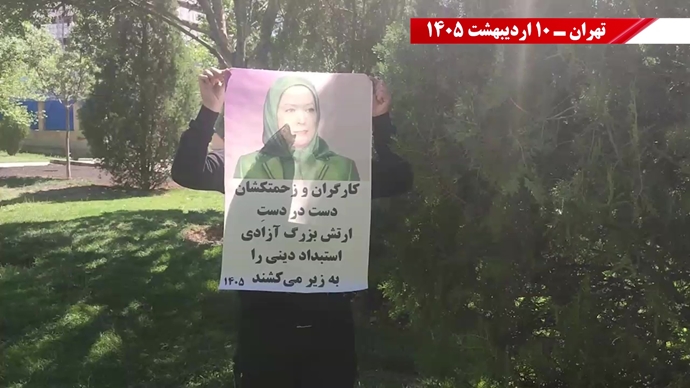
Another prominent slogan underscored unity between workers and organized resistance forces:
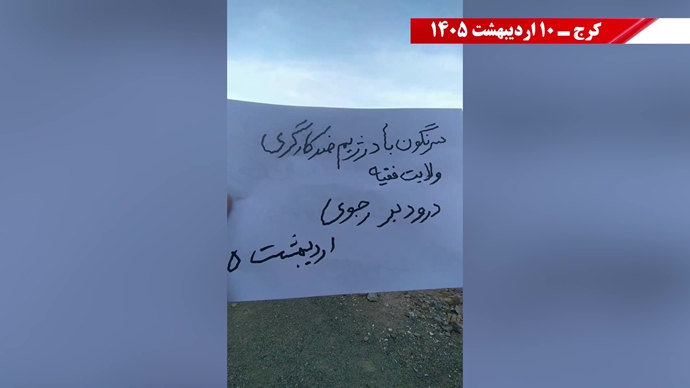
“Workers and toilers, hand in hand with the great army of freedom, will overthrow religious tyranny.”
This language signals an attempt to fuse class struggle with a broader political movement aimed at regime change, positioning labor not as an isolated sector but as a central actor in national transformation.
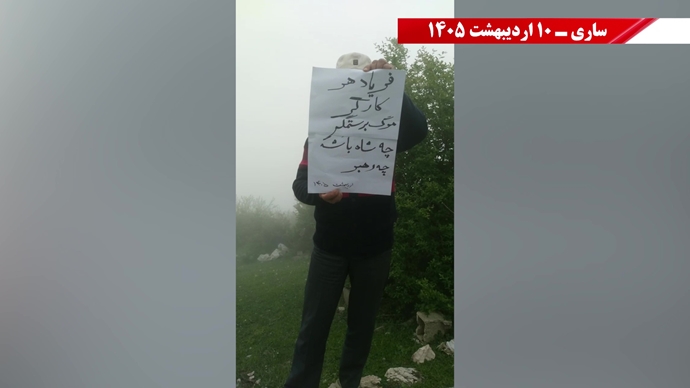
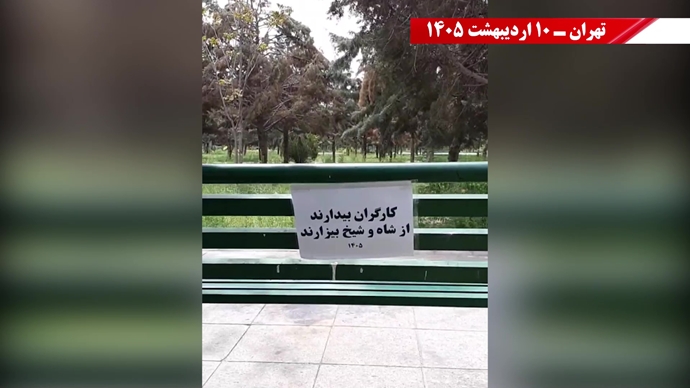
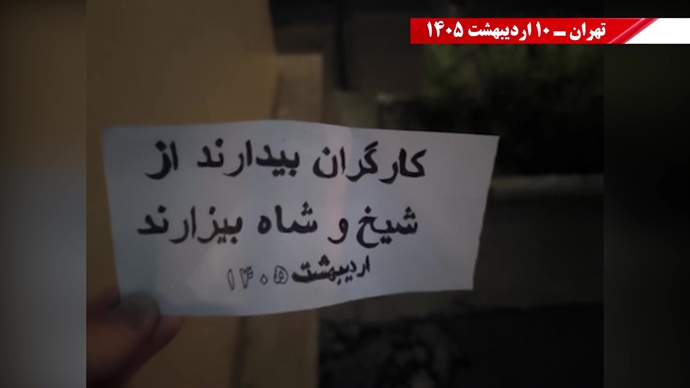
Equally striking was the rejection of both past and present authoritarian models. One chant echoed across multiple locations:
“Workers are awake—they reject both the Shah and the mullahs.”
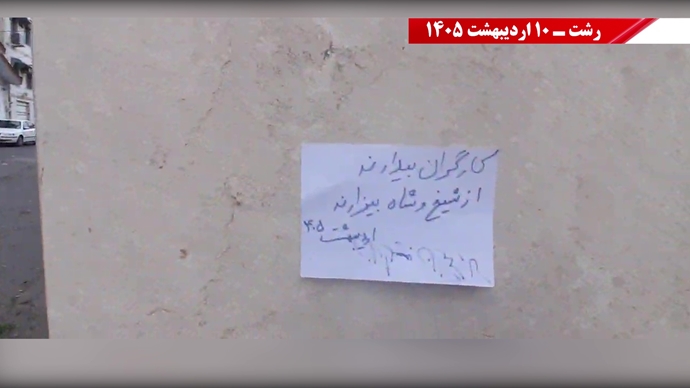
This dual repudiation highlights a narrative increasingly promoted within opposition circles: that Iran’s future must move beyond both monarchical and theocratic systems.
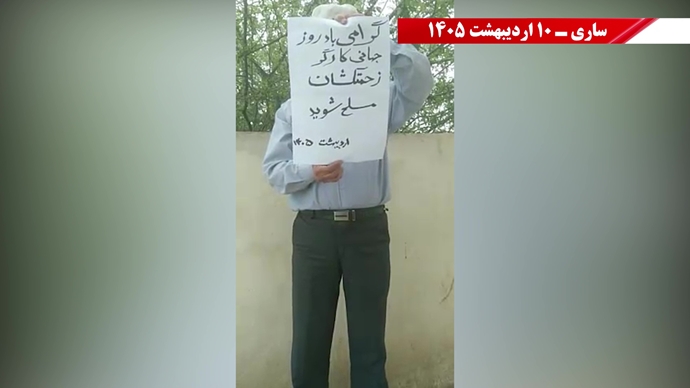
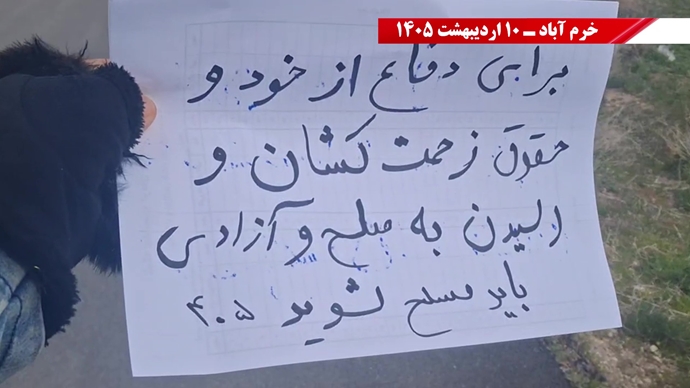
Some slogans took on a sharper tone, emphasizing confrontation and self-defense:
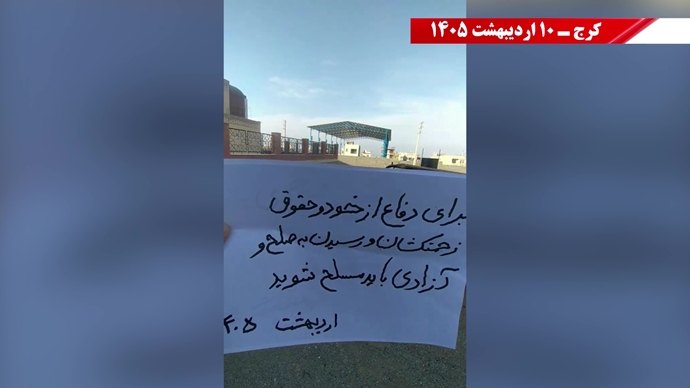
“Workers of Iran, to defend your rights and achieve peace and freedom, you must rise and arm yourselves.”
While such rhetoric remains controversial, its presence reflects the intensity of frustration among segments of the population who see no viable path for peaceful reform.
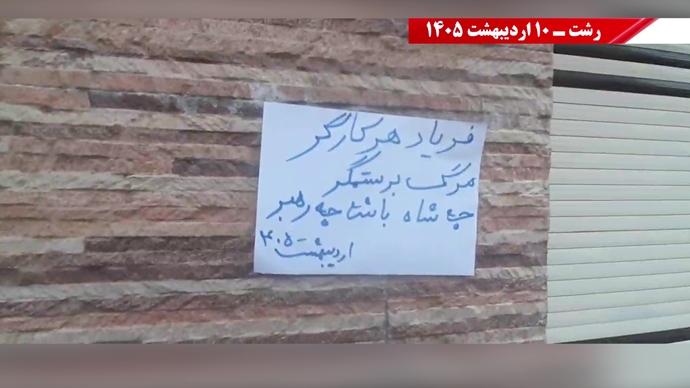
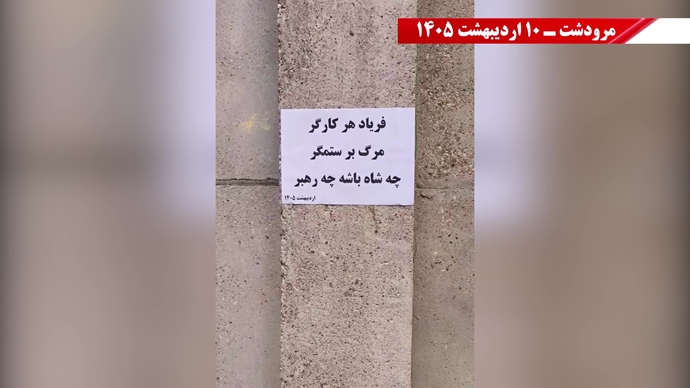
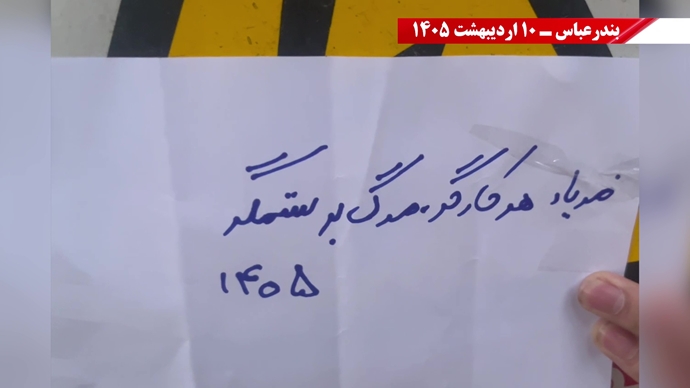
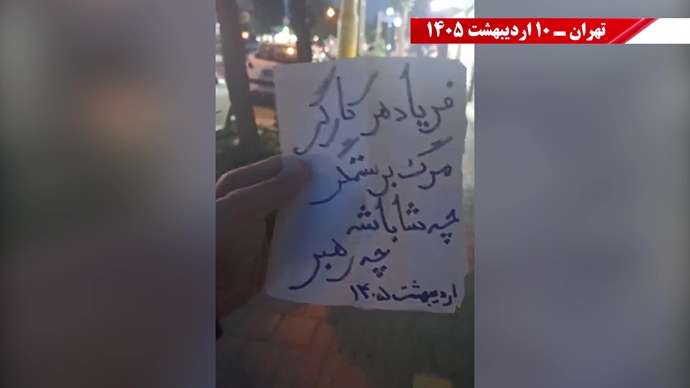
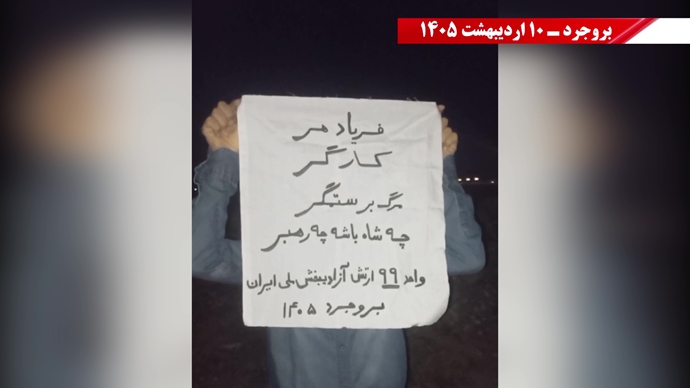
A recurring chant distilled broader anger into a simple, powerful line:
“The cry of every worker: death to the oppressor—be it Shah or Supreme Leader.”
This slogan, repeated in various forms, encapsulates a unifying theme: opposition to any form of political authoritarianism, regardless of its ideological form.
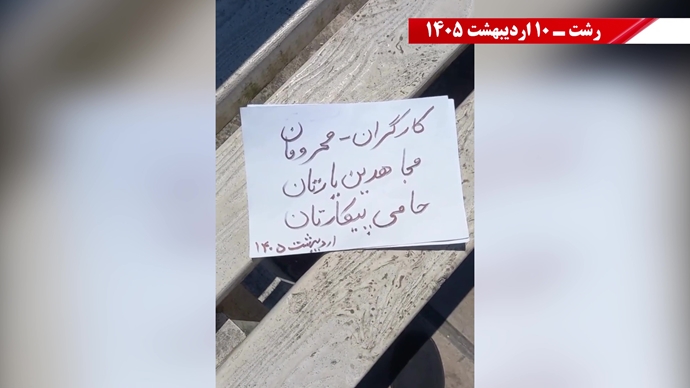
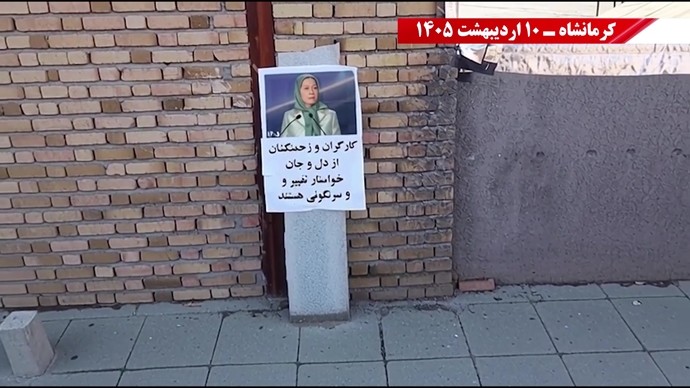
Other messages reinforced alignment with organized opposition groups:
“The army of freedom stands with workers,” and “Workers and the deprived—your ally in struggle.”
Such slogans suggest an ongoing effort to strengthen ties between labor activism and resistance networks, particularly in a context where independent unions remain heavily suppressed.
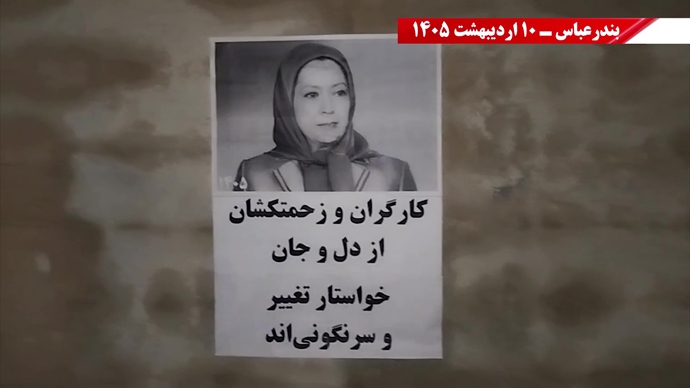
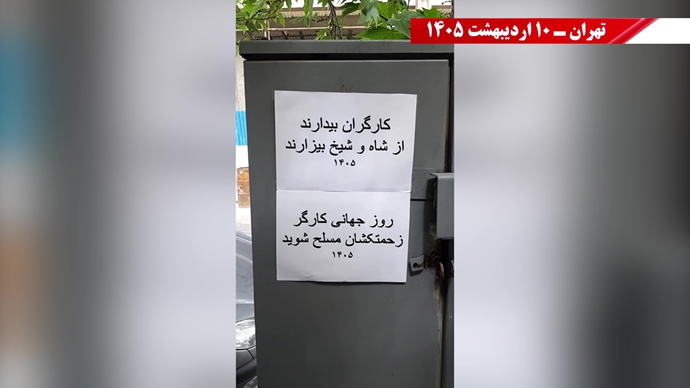
Despite the risks, these activities took place in an increasingly securitized environment. Heightened surveillance and preemptive arrests have become standard features of the state’s response to labor-related gatherings. Yet, the persistence of these slogans—and their spread across cities—indicates that the underlying grievances are not only unresolved but intensifying.
This year’s May Day in Iran revealed more than economic discontent. It exposed a shifting discourse in which labor rights are inseparable from questions of governance, legitimacy, and political future. For many participants, the struggle for fair wages, job security, and dignity has evolved into something broader: a demand for a fundamental reordering of power.
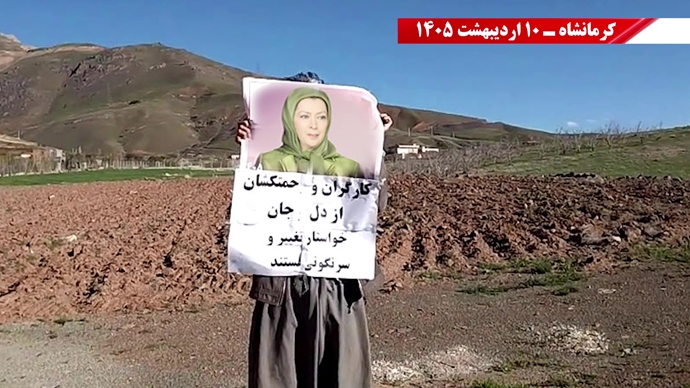
The overlap between labor activism and organized resistance is no longer incidental—it is consolidating into a coherent and expanding force. The message voiced on May 1 was unequivocal: for many Iranian workers, justice, dignity, and economic rights are inseparable from fundamental political change at the highest level.