


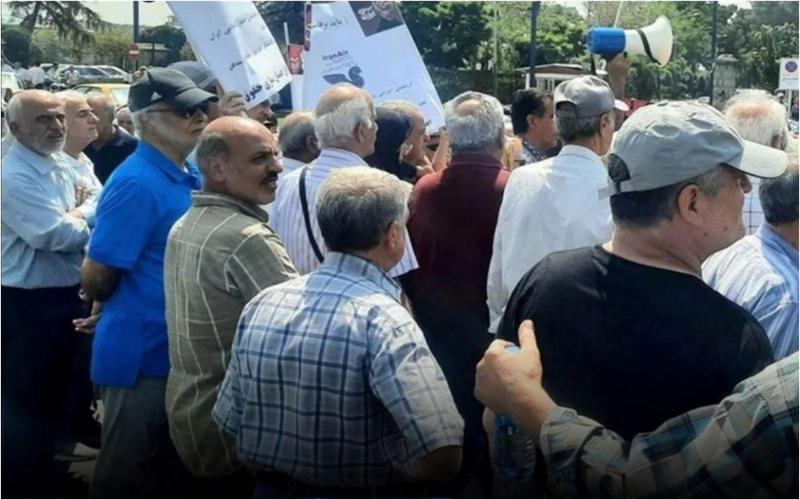

Retirees, pharmacists, and local residents staged protest gatherings in Tehran, Isfahan, East Azerbaijan, and Hormozgan, highlighting growing anger over economic hardship and unfulfilled demands.
A new wave of protest gatherings was reported across several Iranian provinces on Saturday, August 8, 2026, as retirees and other social groups voiced grievances over deteriorating living conditions, unfulfilled demands, and what they described as widespread injustice.
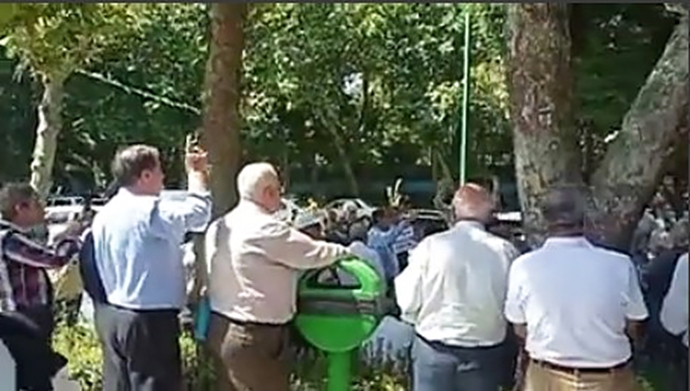
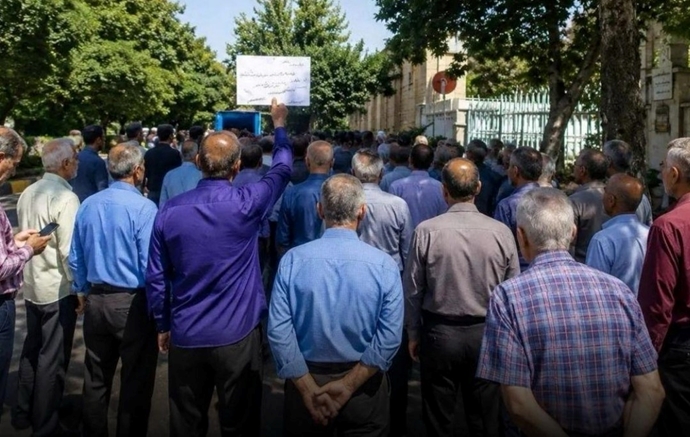
The gatherings took place in Tehran, Isfahan, East Azerbaijan, and Hormozgan, involving retirees from different sectors as well as pharmacists and local residents.
Although the protests involved different groups and local grievances, they reflected a common underlying concern: the growing gap between people’s basic economic and social demands and the regime’s failure to address them.
Retirees Protest Economic Hardship and Unfulfilled Demands
Retirees held gatherings in several locations to protest what they described as injustice, plunder, and the failure to meet their legitimate demands.
In Tehran, retired telecommunications employees gathered in protest. Similar demonstrations were held in Isfahan by steel retirees and telecommunications retirees.
The protesters voiced their frustration over deteriorating living conditions and the failure to implement their legal and financial demands.
Among the slogans reported from the demonstrations was:
“We saw no justice; we only heard lies.”
The slogan captures the growing frustration among retirees who say that repeated promises have failed to translate into meaningful improvements in their livelihoods.
Retirees, particularly those formerly employed by the telecommunications sector, have repeatedly staged demonstrations in recent years over unpaid or delayed benefits, inadequate pensions, and demands they say have not been implemented despite previous commitments.
Their latest gatherings demonstrate that these grievances remain unresolved.
Protests Extend Beyond Retirees
The demonstrations were not limited to pensioners.
In East Azerbaijan Province, pharmacists reportedly held a protest gathering, adding another professional group to the growing list of sectors expressing dissatisfaction with economic and administrative conditions.
In Hormozgan Province, a group of residents of Kahnoestan also held a protest gathering.
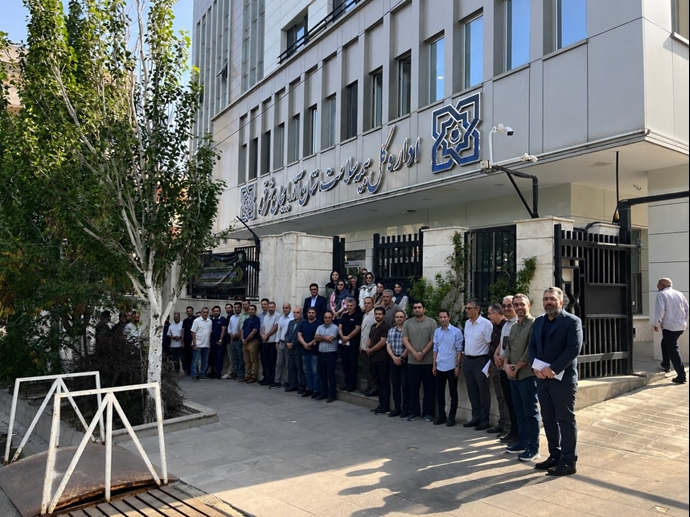
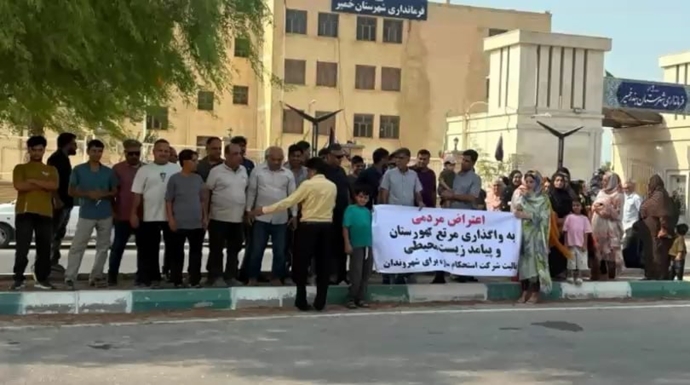
The diversity of the groups involved is significant. While their immediate demands differ, the demonstrations point to broader dissatisfaction affecting workers, retirees, professionals, and local communities.
Persistent Economic Pressure Fuels Social Discontent
The repeated mobilization of retirees has become one of the most visible expressions of Iran’s economic crisis.
For many retirees, fixed pensions have failed to keep pace with the rising cost of essential goods and services. At the same time, disputes over benefits, employment-related entitlements, and the implementation of existing regulations have continued to generate protests.
The situation has also produced a widening sense of frustration among other professional groups and communities facing economic pressure.
The latest demonstrations therefore come amid an increasingly persistent pattern of protests across Iran. Rather than being confined to a single profession or region, social unrest continues to emerge from different sectors and geographical areas.
A Broader Crisis of Trust
The slogan “We saw no justice; we only heard lies” also points to an issue extending beyond pensions and immediate economic grievances: a growing crisis of trust between citizens and the regime.
For protesters, repeated promises without tangible improvements have become a source of anger. Years of demonstrations by retirees and other social groups have produced few lasting solutions to their core demands.
The latest gatherings in Tehran, Isfahan, East Azerbaijan, and Hormozgan underscore the persistence of this dissatisfaction.
As economic pressures intensify, the continuation of such protests demonstrates that social grievances remain unresolved. For the regime, the challenge is no longer limited to isolated labor or pension disputes; it is increasingly reflected in the sustained mobilization of different segments of Iranian society demanding economic security, justice, and their basic rights.