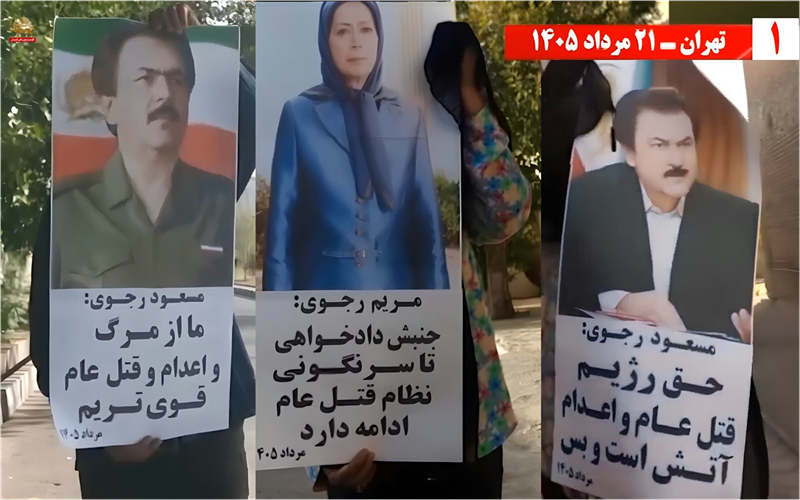

In Tehran, Kerman, Tabriz, Songhor, Mashhad, and Kermanshah, young activists honored the victims of the 1988 massacre and reaffirmed their commitment to the movement for justice.
Thirty acts of protest and remembrance have been carried out by young Resistance Units in cities across Iran to mark the anniversary of the 1988 massacre of political prisoners.
Through photo displays, posters, wall writings, and public tributes to those killed, the activists reaffirmed their commitment to keeping the victims’ memory alive and continuing the movement for justice.
The activities took place in Tehran, Kerman, Tabriz, Songhor, Mashhad, and Kermanshah, with messages emphasizing that the demand for accountability over the 1988 massacre remains unresolved.
Keeping the memory of the victims alive
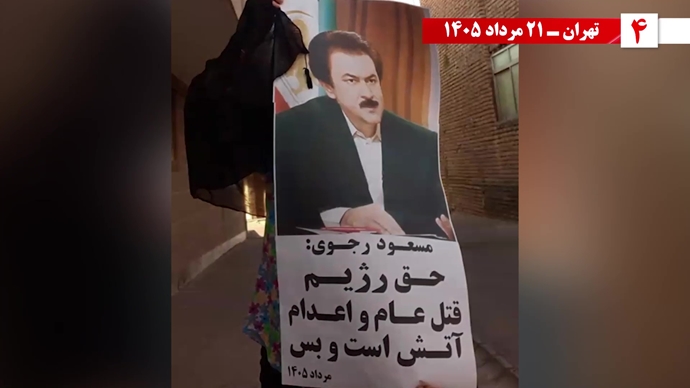
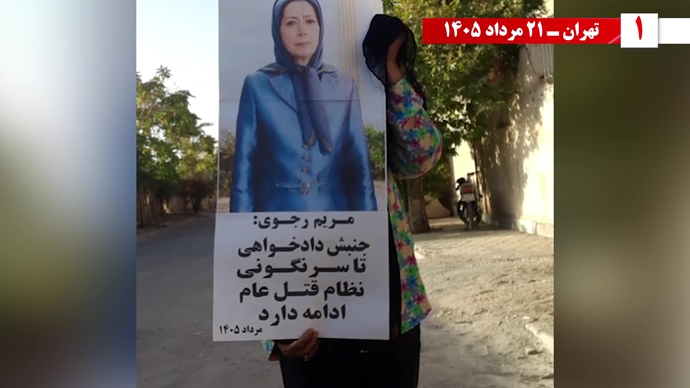
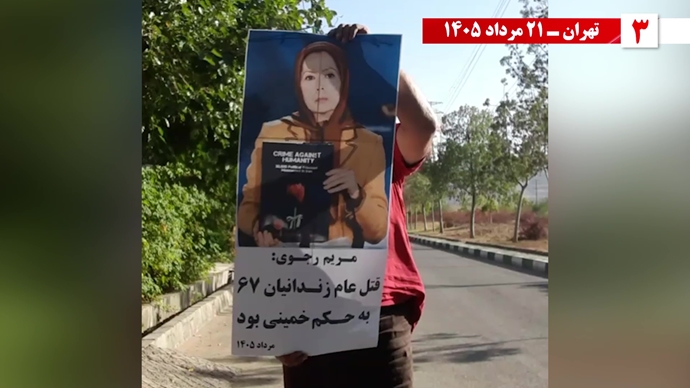
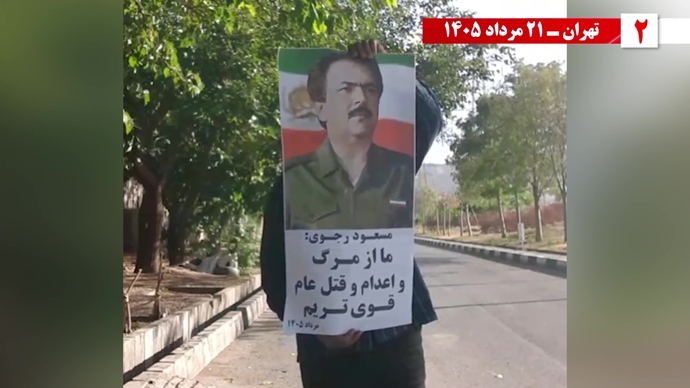
In Tehran, activists carried out a series of photo actions featuring prominent figures of the Iranian opposition and photographs of victims of the 1988 massacre.
Among the displayed messages were calls for the continuation of the movement for justice and declarations that the campaign would continue until the regime responsible for the massacre is brought down.
Other displays highlighted statements emphasizing that the massacre was ordered by then-Supreme Leader Ruhollah Khomeini and that the Iranian people would not be intimidated by executions and mass killings.
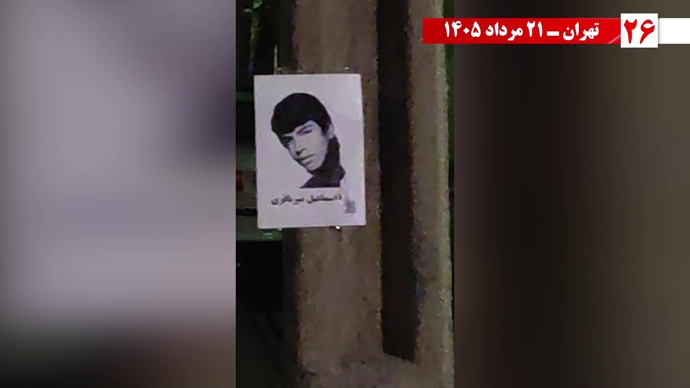
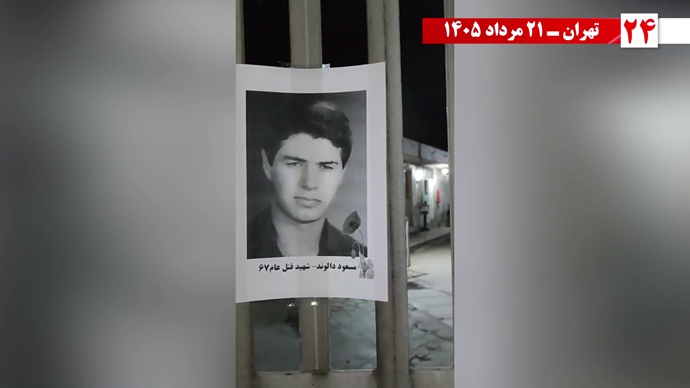
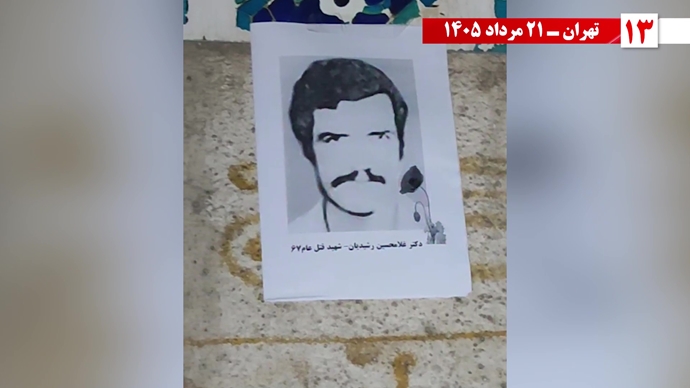
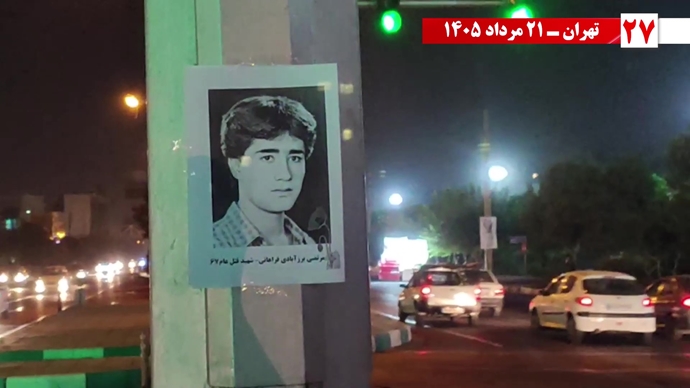
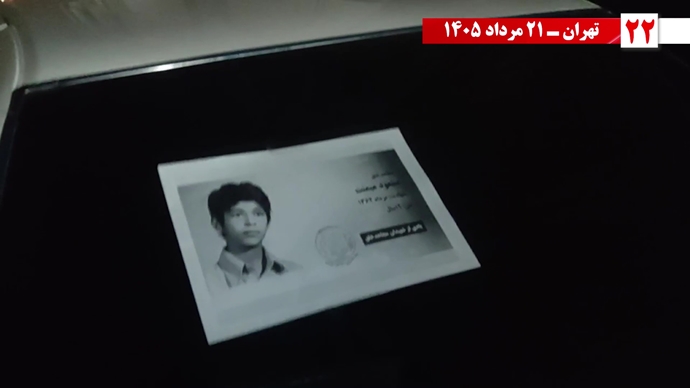
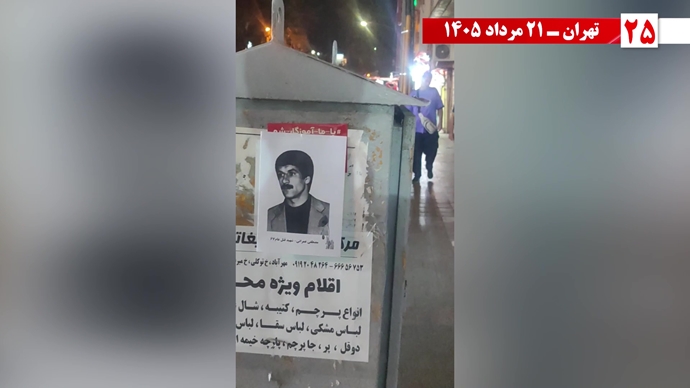
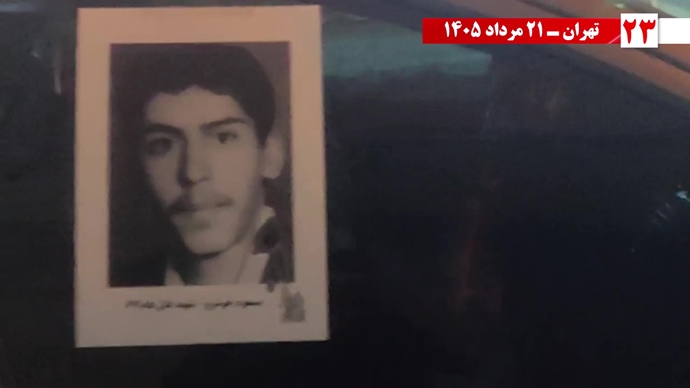
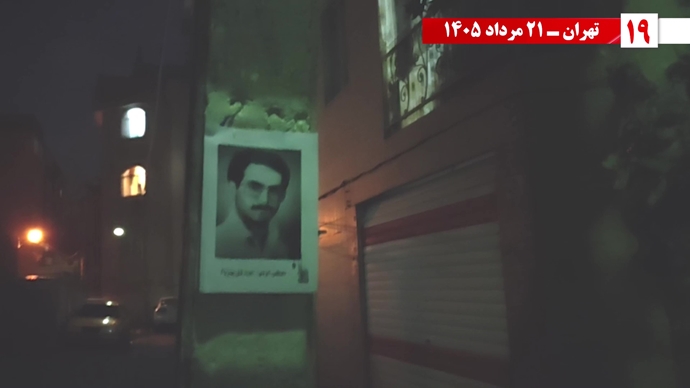
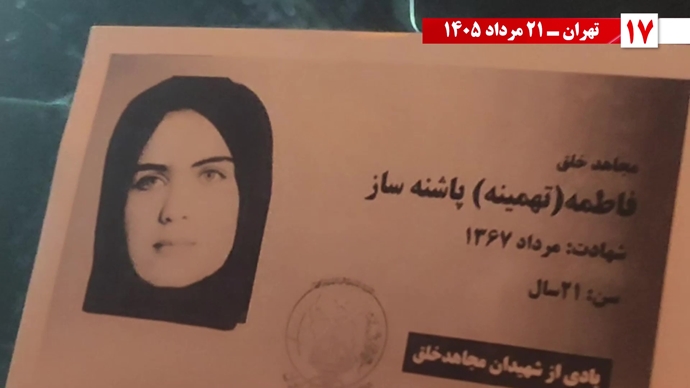
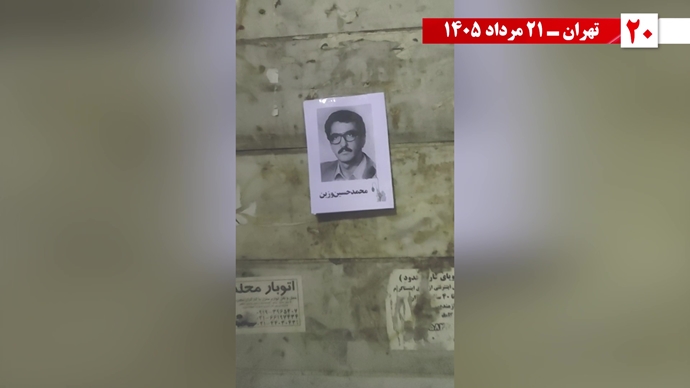
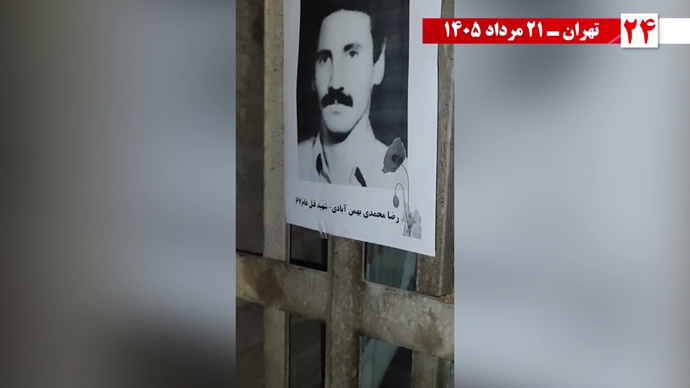
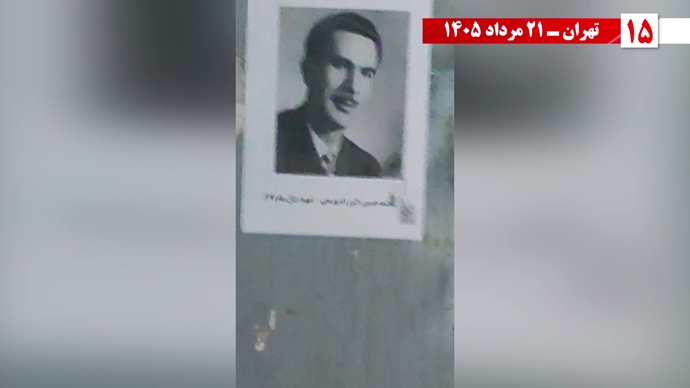
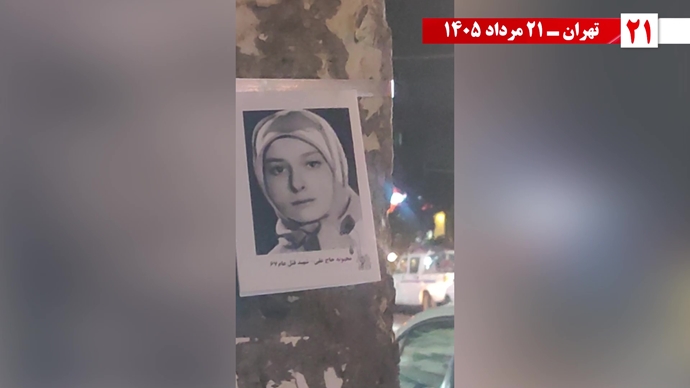
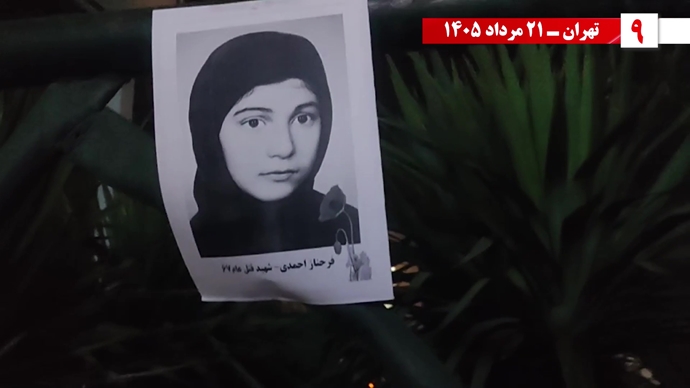
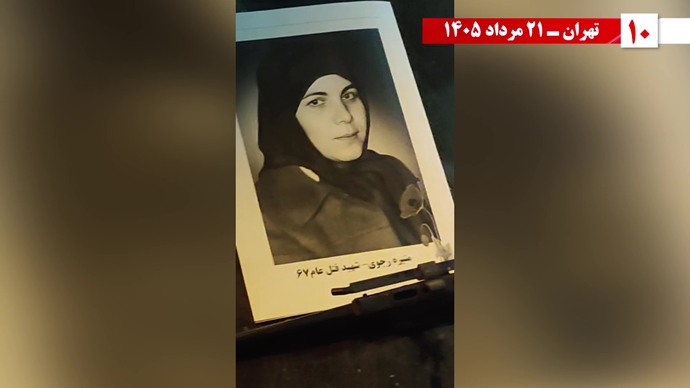
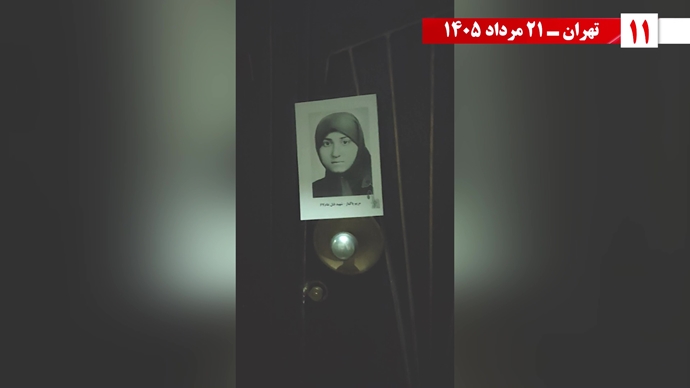
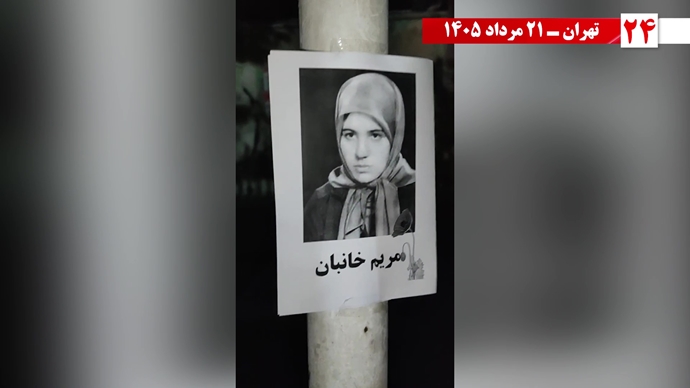
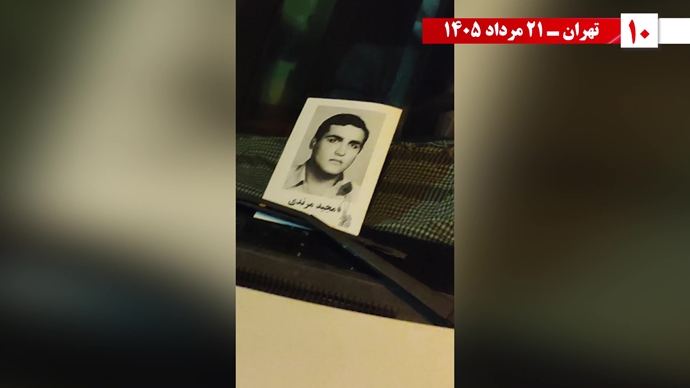
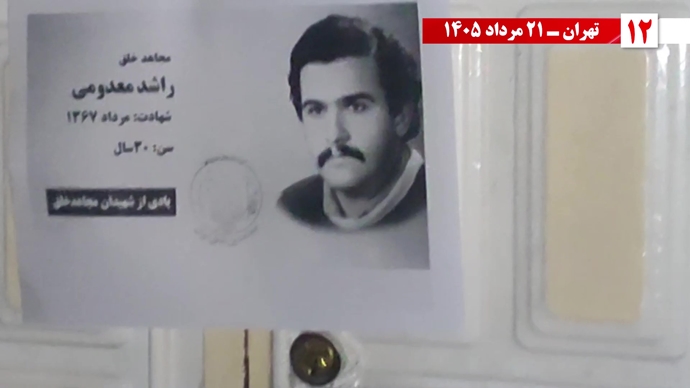
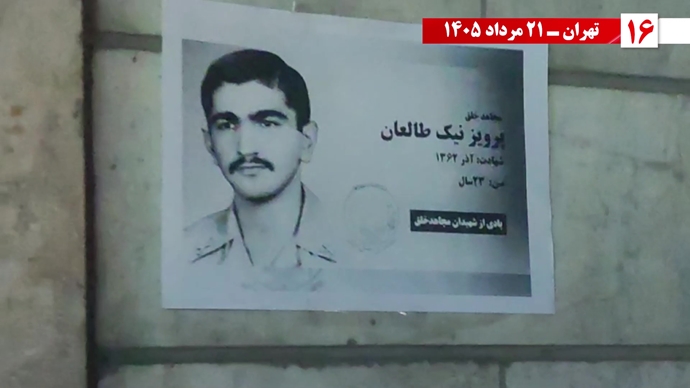
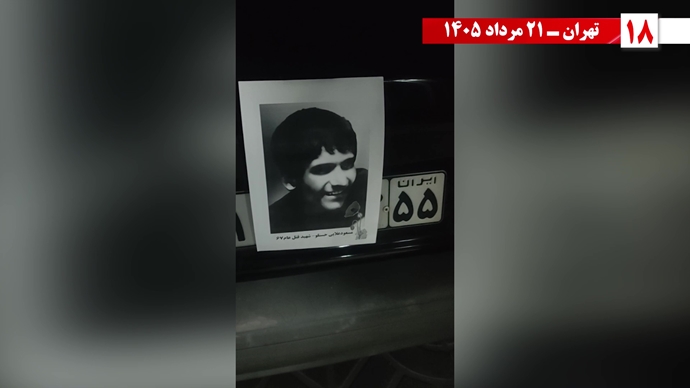
Alongside these photo actions, Resistance Units installed printed photographs of numerous victims of the 1988 massacre throughout Tehran.
Photographs of Ashraf Ahmadi, Majid Khademi, Seyed Hamid Khazri, Farahnaz Ahmadi, Mohammad Marandi, Monireh Rajavi, Rasheed Madoumi, Dr. Gholamhossein Rashidian, Mohammad Nouri Nik, Parviz Niktalehan, Fatemeh (Tahmineh) Pashnesaz, Masoud Alaei Haselno, Mahboobeh Haj Ali, Masoud Khoshrou, Reza Mohammadi Bahmanabadi, Masoumeh Amini, Masoud Dalvand, Maryam Khanban, Mostafa Omrani, Esmail Mirbagheri, and Morteza Nourabadi Farahani were among those displayed.
The photographs were placed on walls, columns, vehicles, doors, and other public surfaces. Several were arranged together in large group displays, creating visual memorials to those who were executed.
The repeated appearance of the victims’ names and faces serves a purpose beyond remembrance: it challenges efforts to erase the history of the massacre and reinforces demands for accountability.
Messages of justice spread to other cities
The campaign extended beyond Tehran.
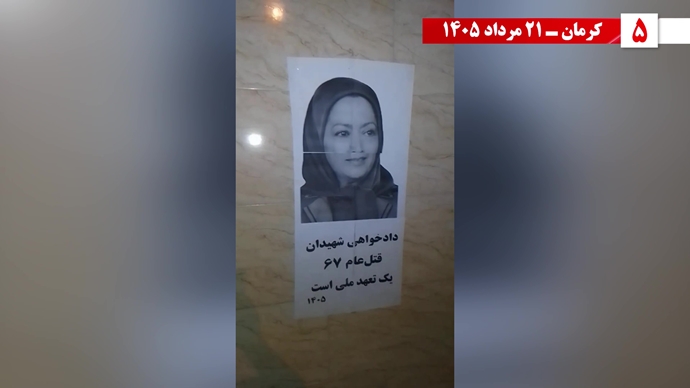
In Kerman, activists installed a poster carrying a message that described seeking justice for the victims of the 1988 massacre as a national commitment.
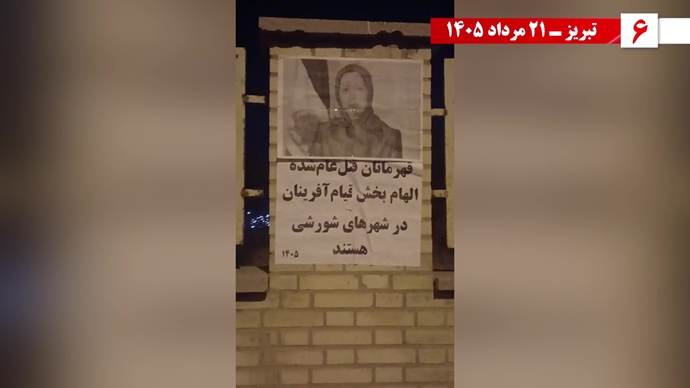
In Tabriz, a poster declared that the victims of the massacre remain an inspiration for those taking part in uprisings in Iran’s rebellious cities.
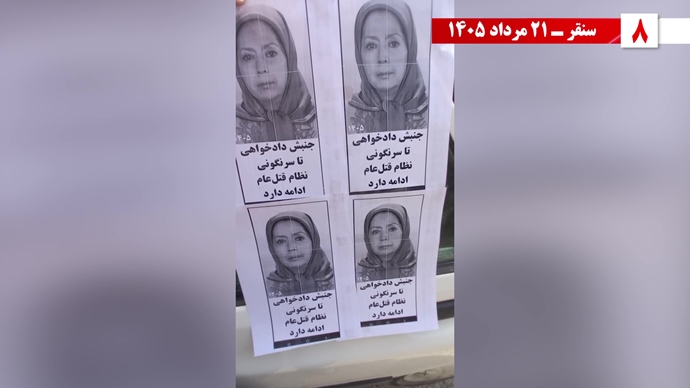
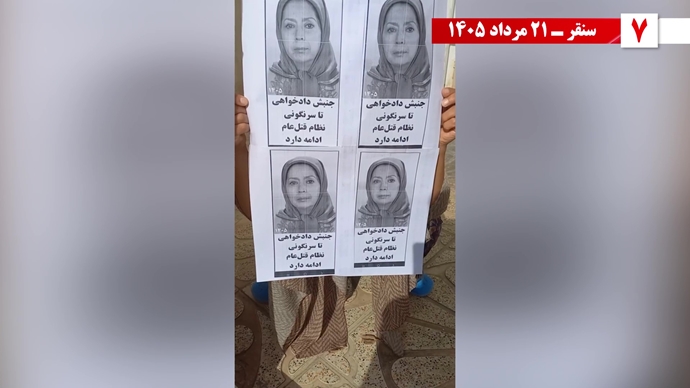
In Songhor, activists organized photo displays featuring Maryam Rajavi, accompanied by the message:
“The movement for justice will continue until the overthrow of the regime of massacre.”
A similar display was placed on a vehicle, ensuring that the message could reach people beyond a fixed location.
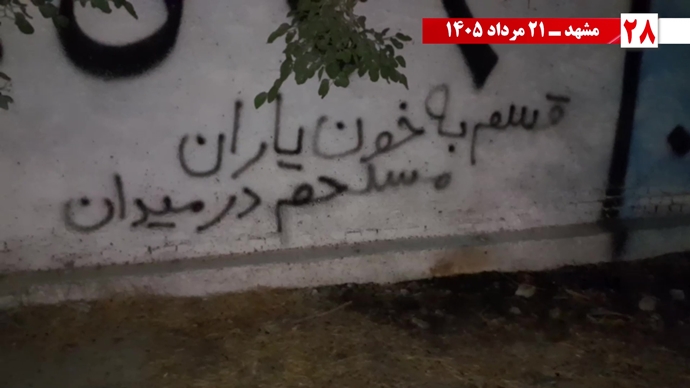
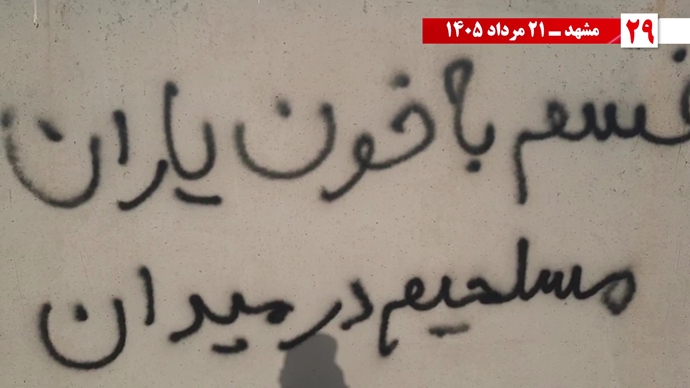
In Mashhad, activists used wall writing to declare:
“By the blood of our comrades, we are armed in the field.”
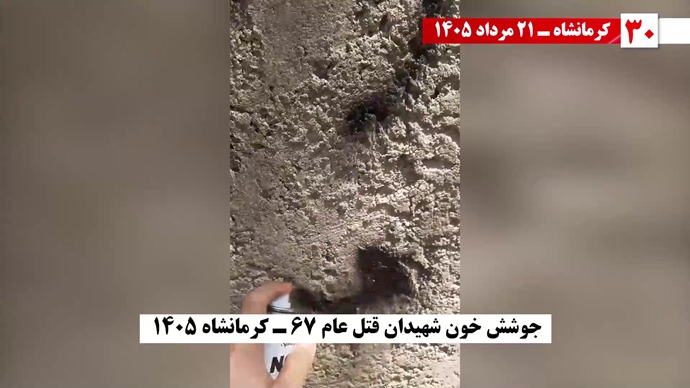
In Kermanshah, another wall inscription referred to the continuing impact of the victims of the 1988 massacre, declaring:
“The blood of the 1988 massacre continues to surge.”
A history the regime cannot erase
The 1988 massacre remains one of the darkest episodes in the history of political repression in Iran. Thousands of political prisoners were executed following orders from the regime’s leadership, with victims subjected to secret proceedings and buried in unmarked graves.
For decades, the families of victims and survivors have sought truth, justice, and accountability.
The latest activities by the Resistance Units demonstrate that the issue remains deeply embedded in Iran’s political and social consciousness.
The use of photographs is particularly significant. By publicly displaying the faces and names of victims, activists transform individuals who were intended to disappear without a trace into visible symbols of remembrance.
Every poster and photograph challenges the regime’s attempts to control the historical narrative.
From remembrance to a continuing movement for justice
The 30 acts carried out across six cities also connect the memory of the 1988 victims with the current struggle against repression and executions.
For the activists involved, remembering the dead is inseparable from opposing executions today.
The slogans repeatedly link the demand for justice for the victims of 1988 with the continuation of resistance against the regime’s system of repression. The message is that the passage of time has not extinguished the demand for accountability.
Instead, the memory of the victims has become part of a broader struggle against executions, political repression, and impunity.
The activities also demonstrate the geographic reach of this message. From Tehran to Kerman, Tabriz, Songhor, Mashhad, and Kermanshah, Resistance Units are using public spaces to keep the memory of the massacre alive.
The legacy of the massacre remains a political challenge
The significance of these actions extends beyond an anniversary commemoration.
The 1988 massacre remains a test of whether those responsible for grave human-rights violations can continue to exercise power without accountability.
By displaying the photographs of the victims and repeating calls for justice, the Resistance Units are rejecting political amnesia.
Their message is straightforward: the victims will not be forgotten, the demand for justice will not disappear, and the history of the massacre cannot be separated from the struggle against repression in Iran today.
Thirty acts of protest across six cities therefore represent more than a memorial campaign.
They are a declaration that the memory of the victims of the 1988 massacre remains alive—and that the demand for justice continues to shape the struggle for a different future for Iran.