


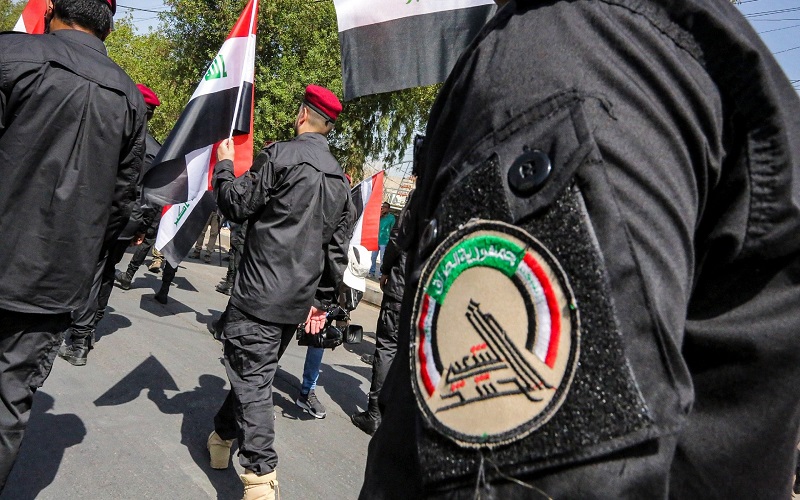

In a controversial move, Iranian universities, particularly the prestigious University of Tehran, are actively recruiting foreign students with ties to paramilitary organizations, most notably Iraq’s Hashd al-Shaabi (Popular Mobilization Forces). This development, announced by Mohammad Moghimi, president of Tehran University, on August 15, has sparked debate and criticism within academic circles and beyond.
Expansion of Loyalist Quotas
The recruitment of Hashd al-Shaabi members is part of a broader strategy to increase the presence of regime-loyal forces in Iranian universities. This initiative follows the introduction of increased quotas and scholarships for Basij members in November 2022, a move widely seen as a response to widespread university protests at the time.
Financial Incentives and Ideological Alignment
Moghimi has framed this recruitment drive as both financially beneficial and ideologically aligned with the regime’s goals. He stated that the Iraqi government has allocated a substantial budget for these students’ education, bringing “good financial benefits for the country and universities.” Notably, Moghimi revealed that tuition fees for these Iraqi students are more than ten times higher than those for Iranian students, with Iraqi students paying 1,200 euros per semester compared to Iranian students’ fees of around 8 to 9 million tomans ($154.71).
Ideological Underpinnings
The acceptance of Hashd al-Shaabi members is being portrayed as part of a larger ideological project. Moghimi described it as being in line with the “new Islamic civilization,” a concept central to Supreme Leader Ali Khamenei’s vision for the past three decades. He also framed it as following the “interactive model” of Qassem Soleimani, the former commander of the IRGC’s Quds Force, and Abu Mahdi al-Muhandis, who was second in command of Hashd al-Shaabi.
Concerns and Opposition
This initiative has faced significant opposition from Iranian students and activists. Students at Tehran University have released a statement expressing their clear opposition to the presence of Hashd al-Shaabi forces on campus, emphasizing that they “do not accept the presence of military forces in the university, either in military uniforms or in school uniforms.”
Critics argue that this move is part of a broader strategy to strengthen the regime’s control over universities, which have been hotbeds of dissent and protest in recent years. The influx of foreign paramilitary students, combined with increased quotas for Basij members, is seen as an attempt to create a more compliant student body and to provide the regime with additional means of suppressing potential protests.
Internationalization or Militarization?
While Moghimi has attempted to frame this recruitment as part of an effort to internationalize Iranian universities, critics see it as a thinly veiled attempt to militarize academic spaces. The president of Tehran University argued that increasing the ratio of foreign to local students is a criterion for improving a university’s global status and prestige. However, the specific focus on recruiting members of paramilitary organizations has raised serious concerns about the true intentions behind this policy.
Language and Cultural Preparation
To facilitate this influx of Iraqi students, the regime has established language training centers both in Iran and Iraq. The Dehkhoda Institute and International Center for Persian Language Education will provide language instruction, with branches set up near the Iranian embassy in Baghdad and in Abadan.
Conclusion
The recruitment of Hashd al-Shaabi forces and other foreign paramilitary members into Iranian universities represents a significant shift in the country’s higher education landscape. While framed by officials as an internationalization effort with financial benefits, it is widely perceived as a strategic move to strengthen the regime’s control over universities and suppress potential dissent. As this policy unfolds, it is likely to remain a source of tension and controversy within Iran’s academic community and beyond.