



In a joint statement issued on Monday, December 9, Britain, France, and Germany—collectively known as the European Troika—strongly condemned the Iranian regime’s recent advancements in its nuclear program. Citing a report by the International Atomic Energy Agency (IAEA), the trio called for an immediate halt to Iran’s nuclear escalation and urged the regime to reverse course.
Alarm Over Enriched Uranium Levels
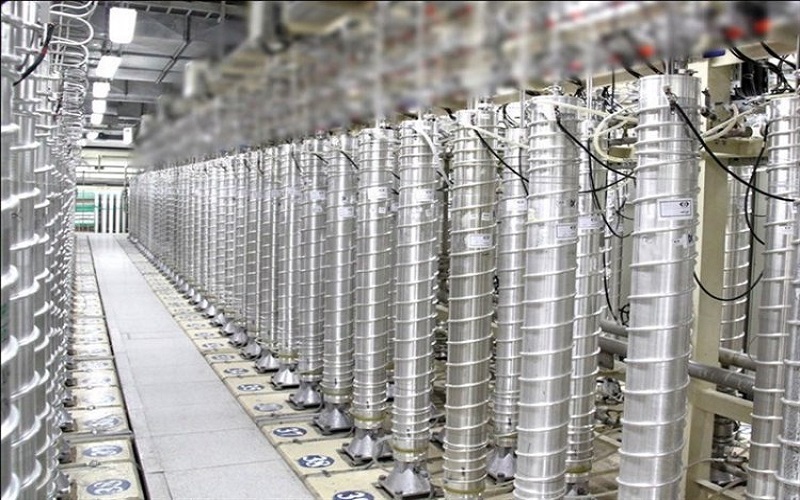
The statement specifically criticized Iran’s significant enrichment of uranium to 60% purity at its underground Fordow facility. The European powers expressed grave concern over the regime’s increased deployment of advanced centrifuges and preparations to expand its enrichment capacity, which they assessed as dangerous developments with no credible civilian justification.
Undermining the JCPOA
The European powers warned that Iran’s actions further undermine the 2015 nuclear deal, formerly known as the Joint Comprehensive Plan of Action (JCPOA). They argued that Tehran’s accumulation of highly enriched uranium, along with its continued non-compliance with the IAEA, renders the agreement increasingly hollow.
U.S. and IAEA Responses
The United States echoed these concerns. On December 7, a U.S. State Department spokesperson criticized Iran’s nuclear activities, describing the regime’s escalation as unjustifiable and alarming. The official stressed that Iran’s production of 60% enriched uranium—a level approaching weapons-grade material—has no valid civilian purpose.
Meanwhile, Rafael Grossi, Director General of the IAEA, told Reuters that Iran’s 60% uranium production is expanding rapidly. He further cautioned that these developments could jeopardize the agency’s ability to perform mandatory inspections at Fordow.
Western Diplomatic Concerns
Reuters, citing an unnamed Western diplomatic source, described Iran’s uranium enrichment as “extremely serious.” The source emphasized that such actions not only lack civilian justification but also pose a direct risk of enabling a military nuclear program if the regime opts to pursue one.
Iran’s Defiance and Inspection Challenges
In a defiant move, Iran recently announced it would begin using 20% enriched uranium, rather than the 5% previously employed, in two cascades of centrifuges at Fordow. The IAEA warned that this shift complicates the agency’s inspection protocols, potentially reducing the frequency and intensity of oversight.
Furthermore, the European statement highlighted that Iran implemented these changes without necessary safeguards being in place, a clear violation of its international obligations.
Calls for Dialogue
Despite their criticisms, Britain, France, and Germany reaffirmed their commitment to diplomatic engagement. In their recent meeting with Iranian officials, the European Troika reiterated the importance of constructive dialogue and adherence to international norms as a pathway to de-escalation.
Escalating Nuclear Tensions
The latest developments underscore a critical juncture in the Iranian nuclear crisis. With Iran accelerating its nuclear capabilities and Western powers ramping up their condemnation, tensions are set to rise. The international community’s response in the coming weeks will likely determine the future trajectory of the JCPOA and broader regional stability.