


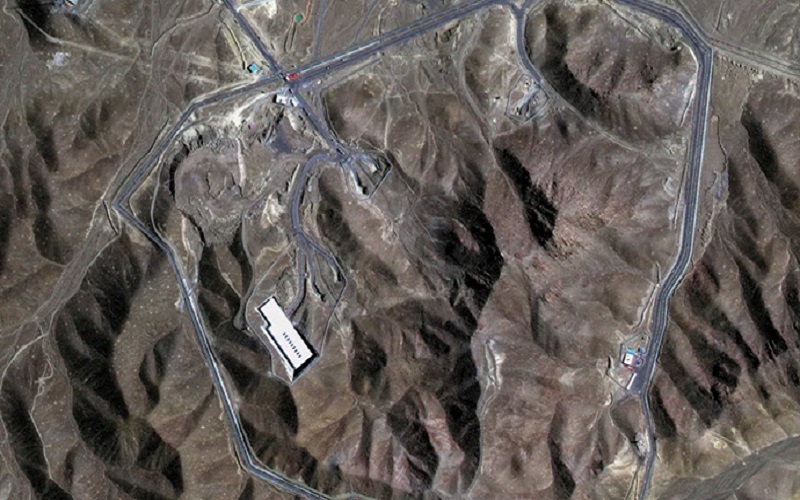

Intelligence chief says Iranian nuclear capabilities were “seriously damaged” by U.S.-Israel strikes, but key uranium remains unaccounted for
Despite significant damage inflicted by recent U.S. and Israeli strikes, Iran regime’s nuclear program remains a source of deep concern, with key elements of its enriched uranium stockpile still unaccounted for. This was the core message from Nicolas Lerner, head of France’s foreign intelligence agency DGSE, in his first public remarks since the bombing campaign that targeted Iranian regime nuclear sites last month.
Speaking Tuesday on France’s LCI television network, Lerner confirmed that the regime’s nuclear infrastructure had suffered substantial setbacks. “Our assessment today is that every stage of the process — from uranium enrichment to warhead design — has been very seriously affected, very seriously damaged,” he said. “The Iranian nuclear program, as we knew it, has been extremely delayed, probably by many months.”
However, Lerner issued a stark warning: while a small portion of Iran regime’s stockpile of highly enriched uranium may have been destroyed, the bulk of it remains in the regime’s possession. “There’s consensus on the fact that the material — the 450 kilograms of enriched uranium — maybe a small part was destroyed, but the material remains in the hands of the regime,” he said.
He also underscored the importance of international oversight. “Today we have indications [of its location], but we cannot say with certainty as long as the IAEA does not restart its work,” he emphasized. “We won’t have the capacity to trace the stocks without them.”
Regime Cuts Off Oversight, Stoking Fears of Reconstitution
The nuclear watchdog’s ability to monitor the Iranian regime program has been crippled since regime president Masoud Pezeshkian ordered a complete suspension of cooperation with the International Atomic Energy Agency (IAEA) last week. This decision effectively shut down the last remaining channel of transparency regarding the whereabouts and status of Iran’s uranium stockpile — which, according to IAEA estimates earlier this year, could be used to produce approximately ten nuclear bombs if enriched further.
Intelligence reports from other Western sources also indicate that the regime likely relocated portions of its enriched uranium ahead of the airstrikes — a claim that contradicts U.S. President Donald Trump’s assertion that the bombing campaign “obliterated” Iran’s nuclear capability.
Lerner clarified that no intelligence service could have made a definitive assessment in the immediate aftermath of the strikes. “We need to remain cautious,” he said, noting that the current evaluations “still need to be fine-tuned.”
Europe Weighs Sanctions as Nuclear Talks Stall
As concerns mount over Iran regime’s growing secrecy and persistent enrichment activity, European diplomats are signaling the possibility of reimposing United Nations sanctions on the regime if a new nuclear deal cannot be secured. A French diplomatic source told Reuters that if Iran refuses to return to compliance and fails to guarantee European security interests, triggering the UN’s “snapback” sanctions may be inevitable.
The warning came after a call between French Foreign Minister Jean-Noël Barrot and his British counterpart David Lammy, just ahead of a Franco-British summit. The Iran-U.S. nuclear negotiations, which had been stalled due to the June war, are reportedly set to resume — though expectations remain low.
The central sticking point remains Iran’s uranium enrichment levels, which have reached 60% — a technically unnecessary level for civilian use and dangerously close to weapons-grade. Despite the regime’s repeated denials that it seeks nuclear arms, its recent moves — from expelling international inspectors to shielding its facilities from oversight — suggest a calculated effort to keep its nuclear options open.
Growing Concerns About Iran’s Strategic Intentions
With its nuclear infrastructure damaged but not destroyed, and its oversight mechanisms severed, the regime now appears to be operating in near-total secrecy. This lack of transparency has raised alarm among Western intelligence agencies, which warn that the regime could exploit this window to reconstitute its capabilities.
Lerner concluded by reiterating the seriousness of the situation. “The Iranian nuclear program has been delayed, but not dismantled,” he said. “What we need now is renewed access, clear monitoring, and a unified international response to ensure that the regime cannot simply rebuild in the shadows.”