


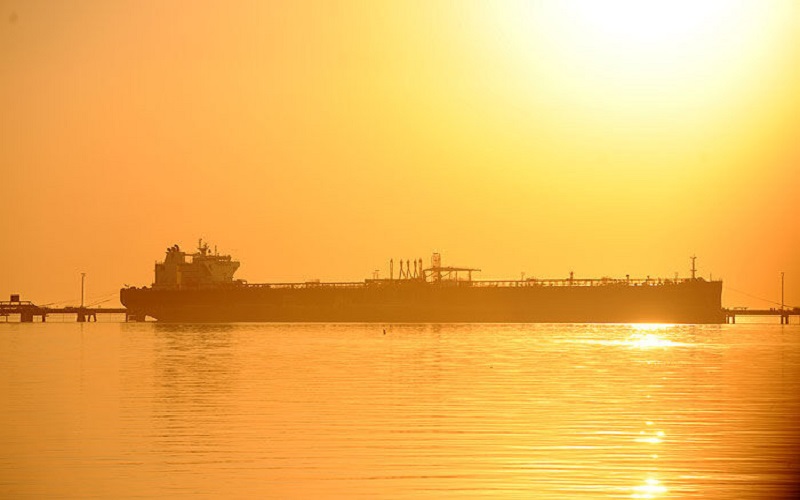

Bloomberg News has reported a significant surge in Iran’s oil exports to China, as traders continue to bypass U.S. sanctions. According to industry sources, the increase is largely attributed to enhanced ship-to-ship oil transfers and the emergence of new, alternative terminals for receiving Iranian cargo.
Record Surge in Iranian Oil Exports to China
Preliminary data from Kepler Energy Information Administration indicates that Iran’s oil exports to China reached 1.74 million barrels per day during the first two weeks of February. This figure represents an 86% increase compared to the daily average in January, marking the highest volume of Iranian oil shipments to China since October 2024.
On February 18, Bloomberg cited informed sources confirming that some private terminals in Chinese ports had resumed accepting Iranian and Russian oil shipments. China remains the largest buyer of Iranian crude, with most shipments destined for independent refiners, commonly known as “teapots.”
U.S. Sanctions and Iran’s Evasive Tactics
Despite multiple rounds of U.S. sanctions designed to curb Iran’s oil revenues, the Islamic Republic has managed to maintain its exports through various logistical maneuvers. Traders have adapted swiftly, utilizing tankers not listed under U.S. sanctions and setting up new shell companies to facilitate transactions.
U.S. Treasury Secretary Scott Bessent recently stated that Washington aims to reduce Iran’s oil exports to less than 10% of their current levels. However, industry sources suggest that the supply chain has proven resilient, quickly finding alternative routes to sustain the trade.
Increased Oil Revenues Under Biden Administration
According to an October 2024 report from the Washington Free Beacon, Iran’s illicit oil revenues surged to $200 billion under the Joe Biden administration. This has led to widespread criticism of Biden’s approach toward Iran, particularly regarding enforcement of sanctions.
In response to mounting pressure, the Biden administration imposed sanctions in its final weeks in office, targeting dozens of companies and vessels involved in transporting Iranian oil. Nevertheless, Iran’s ability to circumvent these restrictions highlights the ongoing challenge for the U.S. in enforcing its sanctions policy effectively.
Conclusion
Iran’s oil trade remains a critical source of revenue for the regime, despite intensified U.S. sanctions. With China continuing to play a key role in purchasing Iranian crude, and traders finding new ways to bypass restrictions, the effectiveness of Washington’s measures remains in question. As geopolitical tensions persist, the future of Iran’s oil exports and U.S. sanctions enforcement will remain a focal point of international energy markets.