


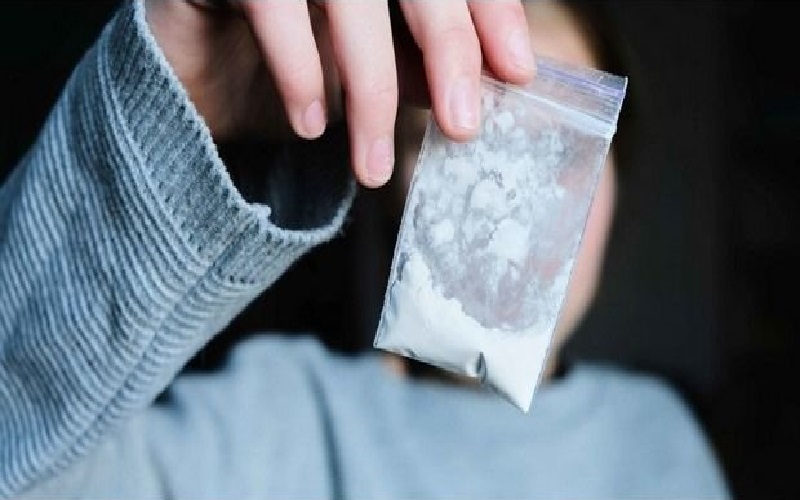

A recent investigation by Iran’s state-run Shargh newspaper has revealed a troubling increase in the use of cigarettes, marijuana, hashish, and alcoholic beverages among students. This revelation comes amidst a persistent lack of transparency from regime-controlled organizations, which have refrained from publishing accurate statistics on youth and child addiction for the past eight years.
Growing Concerns Over Addiction Among Youth
In May of this year, the Secretary General of Iran’s Anti-Tobacco Society confirmed that the smoking age in the country has decreased significantly. Warning against the influence of the “tobacco mafia” targeting teenage girls, he disclosed that the age of heavy drug addiction in Iran has alarmingly dropped to as low as 9 or 10 years.
Similarly, the Vice President of Iran’s Anti-Narcotics Headquarters referred to a 2016 government survey, which found that 2.1% of Iranian students were drug addicts. However, reports from cultural activists and experts in education suggest that this percentage has risen in recent years, indicating a worsening crisis.
Schools Ill-Prepared to Address the Crisis
Nastaran Farkheh, a reporter for Shargh, visited schools in various parts of Tehran to investigate this growing epidemic. She highlighted the lack of preventive measures within the educational system, citing insufficient staff and the absence of school counselors. According to her report, these deficiencies have exacerbated the spread of drug use and addiction among students.
A secondary school literature teacher shared his observations, noting a noticeable increase in marijuana and cigarette use among students. He reported encountering signs such as red eyes and numbness in students, which point to substance abuse. Another teacher at a girls’ secondary school described the situation as even more dire among older students, stating, “They don’t even hide it from us teachers.”
Regime Suppression and Lack of Transparency
Instead of implementing measures to combat the growing addiction crisis, the Iranian regime has focused on suppressing information and controlling narratives. Since 2016, security institutions have prohibited the release of government statistics on the prevalence of drug use. This lack of transparency hampers efforts to understand and address the crisis effectively.
The Etemad newspaper, in a February report, shed light on changes in Iran’s addiction patterns. Over the past seven years, the consumption of traditional drugs like opium has decreased, while the use of heroin and methamphetamine has surged, reflecting a significant shift in the country’s drug landscape.
Teachers Witness the Impact Firsthand
A teacher at a boys’ art school in Tehran recounted his experiences, stating that his classes often operate with less than half the expected number of students. He noted that marijuana, cigarettes, hashish, and alcohol use are openly discussed among students, further highlighting the normalization of substance abuse.
“There are no counselors to address these issues,” he said. “If school administrators find out, the student is expelled, which is the worst possible response to this problem.” This punitive approach only worsens the situation, leaving vulnerable students without support or intervention.
A Call for Action
The pervasive spread of addiction among Iran’s youth is a glaring symptom of systemic neglect. The regime’s failure to address this issue—and its deliberate suppression of critical information—only deepens the crisis. Without immediate, targeted action, the future of countless Iranian students remains at grave risk.