



July 3, 2025 — Washington, D.C.
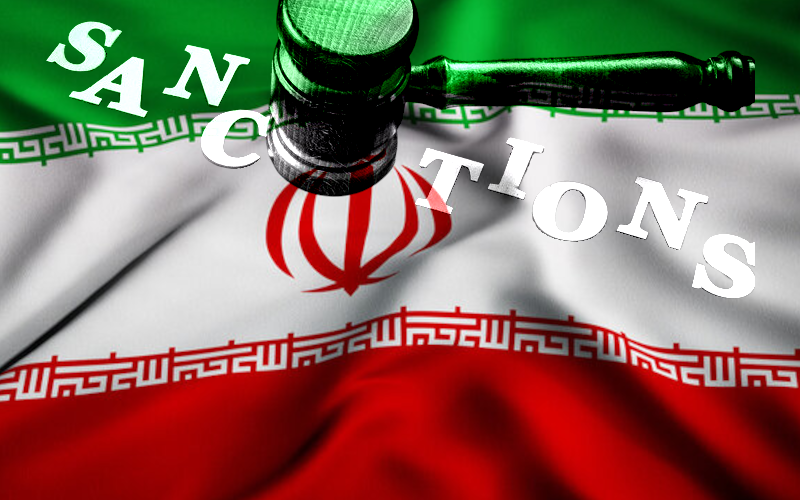
In a bold move to tighten the economic noose on the Iranian regime, the U.S. Department of State announced a new round of sanctions targeting companies and vessels engaged in Iran’s illicit petroleum and petrochemical trade. The designations are part of the ongoing implementation of National Security Presidential Memorandum-2, which mandates the application of maximum economic pressure on Tehran.
The newly announced sanctions are aimed at curbing Iran’s ability to generate revenue used to fund regional conflicts, destabilize international trade, and support terrorist and proxy groups throughout the Middle East. According to the State Department, the regime continues to exploit international maritime trade channels to secretly export oil and petrochemicals, in direct defiance of U.S. sanctions.
Targeting Iran’s Petrochemical Export Network
The Department of State designated three companies that played key roles in the sale and transportation of Iranian petrochemical products:
-
Kaveh Methanol Company (also known as Kaveh Petrochemical Company), the owner and operator of a methanol refinery and terminal in Iran, has continued selling and exporting methanol since at least October 2022.
-
Aria Sina Control International Technical Inspection Co. (ASCO International), a surveyor company operating in all Iranian ports, participated in loading Iranian methanol onto tankers for export.
-
Asian Sea Angel Shipping Co functioned as a shipping agent facilitating multiple port calls for tankers loading Iranian petrochemical products. It has also supported TRILIANCE Petrochemical Co., Ltd., which is already under U.S. sanctions.
Disrupting Iran’s “Shadow Fleet”
In addition to petrochemical exporters, the State Department also sanctioned vessel management companies and tankers that have played an instrumental role in transporting Iranian crude oil and petroleum products—often while engaging in deceptive maritime practices, such as disabling their Automatic Identification Systems (AIS) to hide the origin of their cargo.
-
SAI Saburi Consulting Services, based in India, managed two LPG tankers, BATELEUR and NEEL, which collectively transported Iranian petroleum over a dozen times, including on behalf of the already-sanctioned Alliance Energy Co.
-
Breeze Marine Asset Management, based in the United Arab Emirates and registered in the Marshall Islands, oversaw the crude oil tanker ARTEMIS III, which transported more than 14 million barrels of Iranian crude oil.
-
Isle Innovation Inc, based in Panama, managed the tanker RIEVERIA I, which conducted three covert ship-to-ship transfers involving sanctioned tankers and Iranian crude oil.
All tankers involved—BATELEUR, NEEL, ARTEMIS III, and RIEVERIA I—have now been identified as property in which their managing companies have an interest and are thus subject to U.S. sanctions.
Sanctions Enforcement and Implications
In accordance with Executive Order 13846, all property and interests in property of the newly designated persons and entities that are within the United States or under the control of U.S. persons are now blocked and must be reported to the Department of the Treasury’s Office of Foreign Assets Control (OFAC).
Additionally, any entity owned 50% or more by a blocked person is also considered blocked. U.S. individuals and businesses are now prohibited from engaging in transactions involving these designated entities unless explicitly authorized by OFAC.
These prohibitions include the direct or indirect provision or receipt of funds, goods, or services involving the sanctioned individuals or entities.
The Broader Message
A spokesperson for the Department of State emphasized that the purpose of sanctions is not punitive but corrective:
“The ultimate goal of sanctions is not to punish, but to bring about a positive change in behavior.”
The Department reiterated that parties designated under these sanctions have the opportunity to petition for removal from the Specially Designated Nationals and Blocked Persons (SDN) List. Interested parties may submit petitions to OFAC and refer to the State Department’s delisting guidance.
Conclusion
This latest action underscores the Trumps administration’s continued commitment to pressuring the Iranian regime economically while promoting accountability for its destabilizing activities. By disrupting illicit oil and petrochemical trade, the U.S. aims to cut off critical revenue streams used by the regime to oppress its people at home and fund violence abroad.