


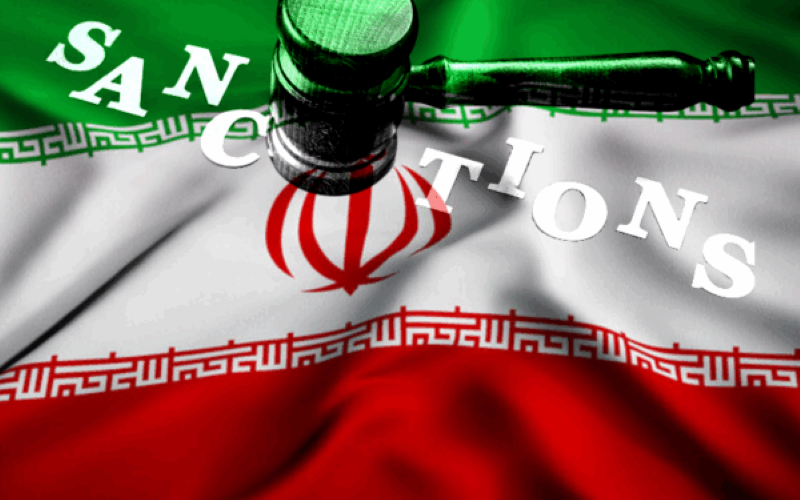

On December 18, 2025, the United States Department of the Treasury has significantly escalated its campaign against the Iranian regime’s oil-smuggling network, announcing sweeping new sanctions targeting 29 vessels, multiple shipping companies, and a key foreign facilitator involved in the illicit export of Iranian petroleum.
The action, led by the Treasury’s Office of Foreign Assets Control (OFAC), focuses on what U.S. officials describe as Iran’s “shadow fleet” — a global web of tankers and shell companies used to evade sanctions and funnel oil revenue back to the regime.
According to Treasury officials, the sanctioned vessels have transported hundreds of millions of dollars’ worth of Iranian crude oil and petroleum products, including fuel oil, bitumen, naphtha, and condensate, primarily to end users in Asia.
Part of a Broader Maximum Pressure Campaign
Treasury Under Secretary for Terrorism and Financial Intelligence John K. Hurley stated that the measures are intended to deny the Iranian regime the financial resources it uses to fund its military and weapons programs.
Since President Donald Trump returned to office, the U.S. administration has sanctioned more than 180 vessels involved in Iranian oil shipments, sharply increasing transportation costs and reducing the net revenue Iran receives from oil exports. The latest designations were issued under Executive Order 13902, which targets Iran’s petroleum and petrochemical sectors, and align with National Security Presidential Memorandum 2 (NSPM-2), reinstating maximum economic pressure on Tehran.
Vessels Linked to Years of Iranian Oil Smuggling
OFAC detailed an extensive list of tankers involved in Iranian petroleum transport throughout 2024 and 2025. These vessels operate under flags of convenience — including Palau, Panama, the Cook Islands, Barbados, Jamaica, and unknown registries — and are managed by companies registered across the UAE, Panama, the Marshall Islands, India, Liberia, and the British Virgin Islands.
Among the most active operators:
- Phoenix Ship Management FZE (UAE) managed several tankers that moved hundreds of thousands of barrels of Iranian petroleum products in 2025 alone.
- Kurdos Shipping Inc. and Arihant Shipping Inc. operated multiple vessels transporting fuel oil and bitumen within the Persian Gulf.
- Several tankers, including FLORA DOLCE, DIANA, NOMIKI, and GOLDEN EAGLE, each transported millions of barrels of Iranian petroleum products in 2025.
In total, 17 shipping companies were designated for operating in Iran’s petroleum sector, and their vessels were identified as blocked property.
Egyptian Shipping Tycoon Identified as Key Enabler
The Treasury action also singles out Hatem Elsaid Farid Ibrahim Sakr, an Egyptian businessman based in the United Arab Emirates, as a major foreign enabler of Iranian oil exports.
According to OFAC, Sakr owns and controls multiple companies — including Red Sea Ship Management LLC and High Seas Petroleum LLC — that coordinated shipments of Iranian petroleum products, at times in cooperation with Sahara Thunder, a front company associated with Iran’s Ministry of Defense and Armed Forces Logistics.
Several vessels managed by Sakr’s firms were involved in ship-to-ship transfers of Iranian condensate shortly after acquisition, a common tactic used to obscure oil origins. Sakr and his companies were designated under E.O. 13902, and multiple tankers under their control were formally blocked.
Links to Houthi-Controlled Ports
The Treasury also sanctioned Qatrat Alnada Almasi Ship Management L.L.C, another UAE-based company that assumed management of vessels previously linked to Sakr. At least four tankers operated by this firm repeatedly transported Iranian petroleum products and made port calls to Houthi-controlled ports in Yemen, raising further concerns about the intersection of oil smuggling, regional instability, and armed groups aligned with Tehran.
Sanctions Implications
As a result of these designations:
- All property and financial interests of the sanctioned individuals, companies, and vessels within U.S. jurisdiction are frozen.
- Any entity owned 50 percent or more by designated parties is automatically blocked.
- U.S. persons are broadly prohibited from engaging in transactions involving the sanctioned parties.
- Foreign companies and financial institutions risk secondary sanctions for facilitating prohibited transactions.
OFAC emphasized that sanctions violations may result in civil or criminal penalties, and that enforcement operates on a strict liability basis.
Sustained Pressure on the Regime’s Oil Revenues
The latest sanctions underscore Washington’s determination to systematically dismantle the Iranian regime’s oil-smuggling infrastructure. By targeting not only vessels but also the opaque corporate structures and foreign intermediaries that sustain the shadow fleet, U.S. authorities aim to further constrain Tehran’s access to hard currency — a critical lifeline for a regime facing deep economic distress and mounting domestic pressure.
As Treasury officials made clear, the campaign is ongoing, and additional actions are expected as the United States continues to track and disrupt Iran’s global petroleum export network.