


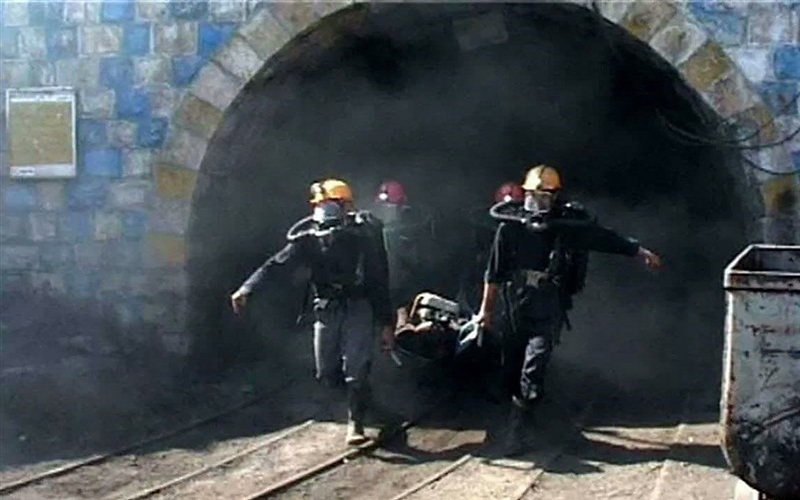

Three months after the devastating collapse of the Madanjoo coal mine in Tabas, the families of the victims and injured workers are grappling with severe financial challenges, lamenting that their cries for help remain unheard. The tragic incident on September 21, 2024, claimed the lives of 52 miners and left 22 others seriously injured. While mine operations have resumed, those affected are left to endure significant hardship.
Workers and Families in Crisis
Injured workers and their families told ILNA news agency that they have been surviving on a monthly pension of just 10 million tomans (approximately $124), a sum insufficient to meet their basic needs. Many fear the termination of these payments. Several injured workers have been declared permanently disabled due to injuries, such as brain damage, sustained during the collapse.
The wife of a 41-year-old worker who suffered methane gas poisoning described how her husband fell into a coma after the accident and lost his memory upon regaining consciousness. With no funds to continue treatment and no access to disability aid due to bureaucratic hurdles, the family faces an uncertain future.
Another injured worker, aged 38, has endured similar struggles. His wife stated that the compensation provided by the Madanjoo company barely covers rent and loan repayments. “Social security compensation was paid late after numerous follow-ups, leaving us in financial distress,” she added.
A third worker, whose fourth child was born shortly after the accident, is unable to work due to his injuries. His wife detailed the mounting costs of medical treatment and daily living expenses. “We pay 250,000 to 300,000 tomans for each medical visit, and imaging costs 600,000 to 700,000 tomans. We rely on the help of relatives to make ends meet,” she said.
Insufficient Compensation and Delayed Promises
Despite the government’s promises of compensation, the families of the victims remain largely unsupported. Government spokesperson Fatemeh Mohajerani announced after the disaster that “1.2 billion tomans” would be allocated as compensation to the victims’ families. She also pledged housing and loan forgiveness for those in need. However, many families report that these promises have yet to materialize, leaving them in dire financial straits.
Negligence and Accountability
A parliamentary investigation identified “serious negligence” by mine officials as the primary cause of the collapse, citing unsafe working conditions and ignored worker warnings. While families are entitled to seek compensation for material and moral damages under the law, the prohibitive costs of legal proceedings and attorney fees deter many from pursuing justice.
Broader Safety Concerns in Iranian Mines
The Madanjoo mine disaster is not an isolated incident. Ahmad Meydari, Iran’s Minister of Welfare and Social Security, revealed that approximately 1,200 workers die annually in workplace accidents across the country. Coal mines, in particular, pose heightened risks due to outdated safety protocols and inadequate monitoring systems.
In addition to safety issues, mine workers across Iran face financial instability and delays in wage and pension payments. For example, operations at the Zemestan-Yurt coal mine in Golestan Province were halted in November due to financial problems, leaving 400 workers unemployed.
Conclusion
The plight of the Tabas mine workers and their families underscores the systemic issues plaguing Iran’s mining industry. Without urgent action to improve workplace safety, enforce accountability, and provide timely financial support, the suffering of these workers will continue. The government must address these failings to prevent further tragedies and ensure that those affected by such disasters receive the support they desperately need.