


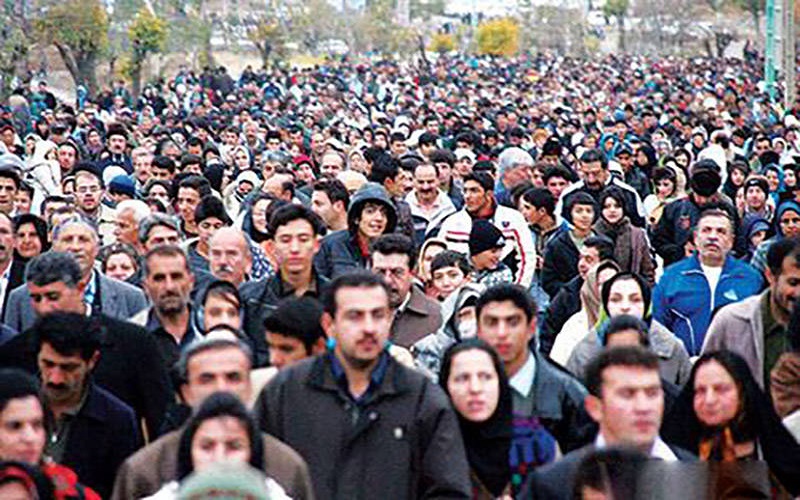

In a recent global survey of happiness indices, Iran ranks 101st out of 137 countries, highlighting a concerning trend in the nation’s overall well-being. Statistics published at the end of 2023 reveal that Iran’s happiness index, also known as the “,” stands at 4.98, significantly below the global average of 5.59.
A Decade of Below-Average Happiness
Over the past decade, from 2013 to 2023, Iran’s average happiness index has consistently remained below the world average, with a rate of 4.76. This persistent underperformance raises questions about the factors contributing to the nation’s relatively low levels of happiness.
Understanding the Happiness Economy
The vice president of economy at the Tehran Chamber explains that the concept of “happiness economics” encompasses official academic studies examining the relationship between individual satisfaction and economic factors such as employment and wealth. Researchers primarily use surveys and indicators to track what different economies provide to their citizens.
Global Trends in Happiness
According to reports from the Ipsos polling institute, global happiness levels have increased since the subsidence of the COVID-19 pandemic. However, these levels remain lower compared to 2010. Spain has recorded the highest growth in happiness, while Turkey has experienced the most significant decline during this period.
Iran’s Position in the Region
Iran’s happiness levels are lower than most Persian Gulf countries and on par with Iraq and Palestine. Among its neighbors, Iran ranks higher than Turkey, Pakistan, and Afghanistan but lags behind other regional counterparts.
Measuring Happiness: The Gallup Institute
The Gallup Institute, a leading source for happiness measurements, considers various factors in its evaluations:
- GDP per capita
- Social support
- Freedom of choice
- Positive and negative emotions
- Life expectancy
- Corruption levels
Iran’s Happiness Index: A Decade in Review
Based on Gallup Institute reports from December 2023, Iran’s happiness levels have shown minimal improvement over the last decade, remaining below the global average. Notably, there was a slight decrease in the index from 2022 to 2023.
Here’s a brief overview of Iran’s happiness index rankings:
- 2013: Ranked 115th out of 156 countries
- 2015: Improved to 110th out of 158 countries
- 2016: Experienced growth
- 2017: Slight decline
- 2018: Ranked 106th out of 156 countries
- 2019: Dropped to 117th out of 156 countries
- 2020-2022: Gradual improvements, reaching 110th out of 146 countries in 2022
Factors Influencing Happiness in Iran
Several key factors contribute to Iran’s relatively low happiness index:
- Economic Challenges: Per capita income has decreased significantly since 1976. Between 1976 and 1988, average per capita income dropped by 60%. From 1988 to 2018, it further declined to about 72% of the 1976 level.
- Governance Issues: The impact of governance on Iranians’ lives is a crucial factor. Indicators such as freedom of choice, sense of equality, and hope for the future have notably decreased in recent years.
- Social Factors: The decline in hope and happiness indicators has created a significant gap between Iranian society and countries where people feel more satisfied with their lives.
Conclusion
While the study of happiness indices is a relatively new phenomenon in global studies, making long-term analysis challenging, the persistent below-average ranking of Iran’s happiness index is a cause for concern. Addressing economic well-being, governance issues, and social factors will be crucial in improving the overall happiness and satisfaction of Iranian citizens in the coming years.