


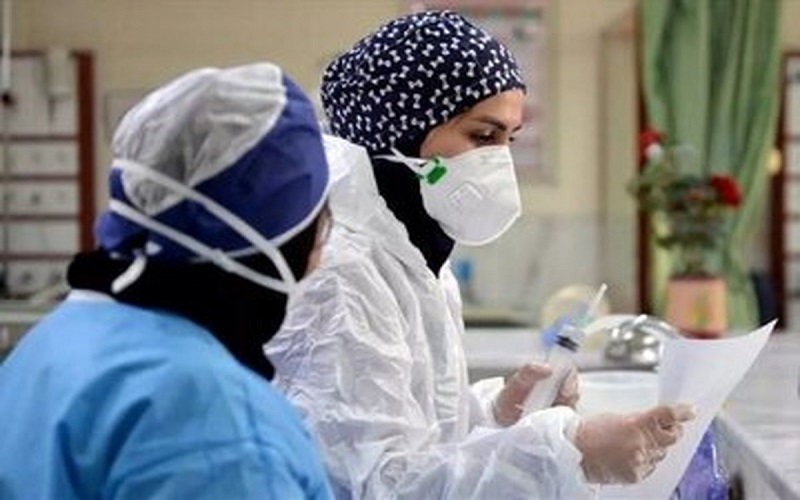

Amidst economic hardships and inadequate salaries, many nurses in Iran are forced into dire living conditions, including sleeping in their cars, working as online taxi drivers, or sharing overcrowded accommodations. According to official statistics, approximately 19 nurses, doctors, and hospital technicians leave Iran daily due to financial struggles.
The Iranian newspaper Ham Mihan reports that despite nurses earning a maximum monthly salary of 14 to 15 million tomans (roughly $200) and receiving only 25,000 tomans per hour for overtime, their income barely covers their basic living expenses. Consequently, the nursing profession is witnessing a mass exodus, both domestically and internationally.
Housing Crisis and Forced Migration
Over the past year, soaring rental costs—rising by at least 100% nationwide—have driven many nurses to surrender their rented homes. In response, they have resorted to sleeping in dormitories, sharing homes with multiple roommates, or even living in their vehicles.
Mohammad Sharifi-Moghaddam, Secretary General of the Iranian Nursing Home, highlighted the severe shortage of nursing staff in hospitals. Speaking to Jam-e Jam newspaper, he stated, “Even when hospitals advertise for nursing positions, no one applies because the salaries and benefits are extremely low, and the workload is overwhelming. We must first address the exodus of nurses before hiring new staff.”
Domestic Migration Worsens the Healthcare Crisis
Beyond international migration, another alarming trend is the movement of nurses from smaller cities to Tehran in search of better wages. This has led to staffing shortages in regional hospitals, reducing their ability to admit patients and forcing the closure of hospital beds.
For example, the Iranian Ministry of Health reported that 400 nurses from Gilan province migrated to Tehran in the past year alone. In Kermanshah, nurses have abandoned government hospitals to establish private home nursing services. In other provinces, many nurses have relocated to Tehran, renting shared apartments while working in private clinics and hospitals.
Meanwhile, a significant number of Iranian nurses are seeking opportunities abroad. Many move to Persian Gulf countries, where salaries are in the hundreds of millions of tomans, or to Europe, where they can earn between 3,000 and 4,000 euros per month—far beyond what they make in Iran.
Harsh Working Conditions and Government Neglect
The dire financial situation has forced some nurses to treat emergency centers as temporary shelters, working multiple shifts in different locations to survive. Others sleep in their cars between shifts before heading to their next job. Despite Tehran’s medical universities being in urgent need of nursing staff, recruitment efforts remain largely unsuccessful. As Sharifi-Moghaddam notes, when universities advertise for 1,000 nursing positions, only 200 to 300 applicants participate in the hiring process.
According to Sharifi-Moghaddam, the three key issues plaguing Iranian nursing are unemployment, job changes, and mass emigration. “We’ve been raising these concerns for years,” he said. “How can a nurse survive on a salary of 14 to 15 million tomans? Nurses in Europe, Australia, and Canada earn thousands of euros, while in Iran, their income doesn’t even reach $200.”
Government Crackdown on Protesting Nurses
Instead of addressing the nursing crisis, Iranian authorities have responded with repression. Nurses who have participated in union protests demanding better wages and working conditions have faced threats, legal charges, and even job suspensions.
One such case is Mohammad Reza Dara, a nurse at the Rahnemoon Hospital trauma center in Yazd. He was placed on “disciplinary suspension” for two months after demanding fair wages. A complaint filed by the former president of Yazd University of Medical Sciences resulted in this harsh punishment, despite Dara’s 28 years of experience.
In December last year, Hossein Salami, Commander-in-Chief of the Islamic Revolutionary Guard Corps (IRGC), dismissed reports of mass nurse migration as “lies, psychological warfare, and negative propaganda” by Iran regime’s enemies. His statements starkly contradicted statistics from the Ministry of Health, members of parliament, and hospital administrators.
These remarks appear to have fueled the government’s crackdown on protesting nurses, as seen in the increasing number of legal cases, arrests, and job suspensions. Rather than addressing the root causes of the crisis, Iranian authorities have chosen to silence dissent through security measures—further exacerbating the suffering of nurses and the broader healthcare system.
Conclusion
The nursing profession in Iran is at a breaking point. With insufficient salaries, harsh working conditions, and a government that prioritizes repression over reform, many nurses see no choice but to leave the country. The continued exodus of healthcare workers threatens Iran’s already fragile medical system, leaving millions of citizens vulnerable to inadequate care. Without urgent policy changes, the situation will only worsen, deepening the healthcare crisis for both medical professionals and patients alike.