


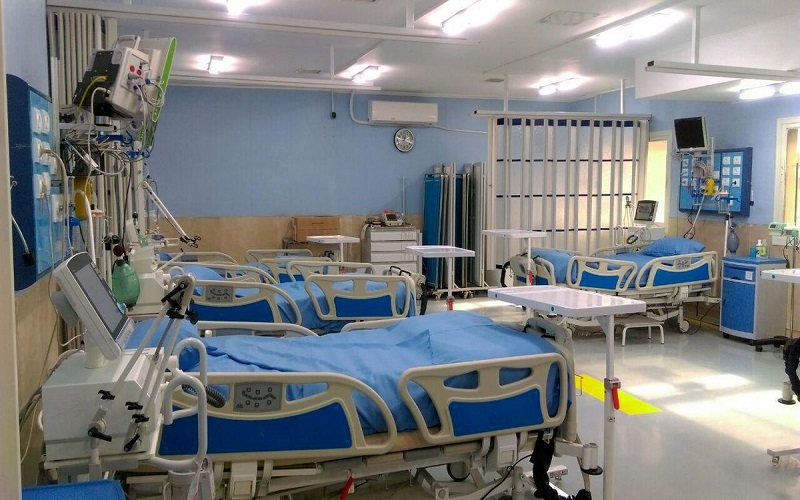

Iran’s healthcare system faces significant challenges, particularly concerning hospitalization and intensive care units (ICUs).
A key issue is the lack of a comprehensive and efficient treatment system. This, coupled with insufficient insurance coverage for many citizens, pushes a significant financial burden onto patients. Furthermore, the government’s debt to insurance companies hinders their ability to adequately support patients’ needs.
The situation intensifies for patients requiring ICU care. According to Dr. Mohammadreza Hashemian, a specialist in critical care medicine, patients often face exorbitant costs despite receiving minimal services.
The financial disparity between public and private hospitals is stark. A single night in a public ICU costs at least three million tomans (approximately $50 according to May 2024 exchange rates), while private hospitals charge a minimum of twelve million tomans (approximately $203) per night.
These figures only cover basic costs like monitoring equipment, beds, and ventilators. Specialized doctor visits and medication incur additional, separate charges.
Dr. Hashemian explains that while a portion of the ICU fees covers resident doctors and nurses, a significant amount remains unaccounted for. This unallocated sum doesn’t contribute to improving patient care or ICU facilities.
Reports suggest that many private hospitals prioritize profit over patient well-being. Dr. Hashemian emphasizes that the cost of private ICU care, regardless of the hospital’s specialization, remains around twelve million tomans. This implies a lack of differentiation in care quality despite the higher price tag.
The Ministry of Health is also under scrutiny. Dr. Hashemian criticizes the ministry’s weakness in monitoring hospital performance and regulating patient deposits. This lack of oversight further exacerbates problems within ICUs.
He believes there’s a lack of will within the ministry to address these issues. Dr. Hashemian criticizes the ministry for not dedicating sufficient resources to ICU services and patient care.
These concerns echo those of Ali Amirsawadkohi, the head of the Special Care Association. He highlights the lack of investment in ICU beds and the overall neglect of specialized care within the Iranian healthcare system. He confirms the high cost of ICU stays and emphasizes the financial hardship it poses for people, especially retirees, with inadequate insurance coverage.
In conclusion, Iran’s healthcare system faces significant challenges in managing ICU care. Patients bear a heavy financial burden, while the quality of services provided often falls short of expectations.
Systemic issues, including inadequate oversight and a lack of commitment to improvement, further complicate the situation. Addressing these concerns is crucial to ensure accessible and affordable, high-quality ICU care for all Iranian citizens.