


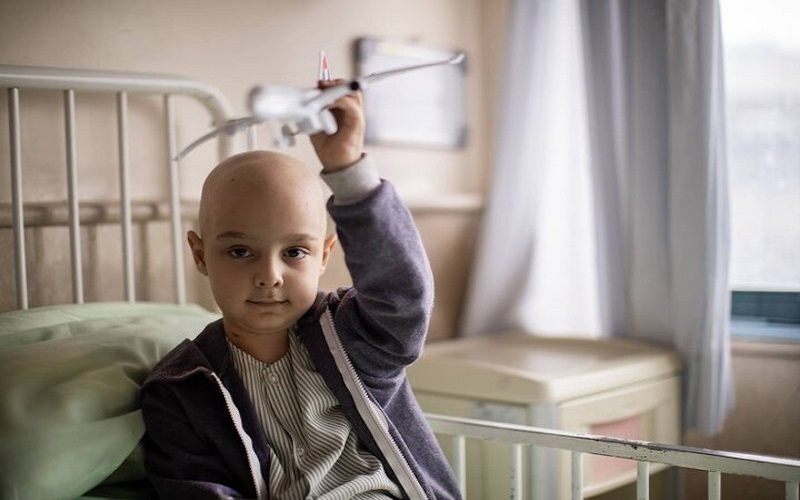

Cancer remains one of the most pressing health concerns in Iran, and its impact on children has been particularly devastating. Among the many challenges faced by families dealing with childhood cancer, the financial burden and skyrocketing cost of treatment stand out as some of the most severe.
Alireza Varasteh, CEO of the Institute for Supporting Children with Cancer in Khorasan, highlighted these growing concerns in a recent press conference. He revealed that the institute registers 20 new cancer patients each month, with many families abandoning treatment due to financial constraints. This distressing reality underscores the urgent need for systemic reforms and increased support for affected families.
The Rising Cost of Cancer Treatment
Shima Sharifi, chairwoman of the board of directors of the Institute for Supporting Children with Cancer, echoed similar concerns, emphasizing that securing funds for medicine and treatment remains one of the most significant challenges. She pointed specifically to the drug “Nelarabine,” used in leukemia treatment, which has seen a staggering 127% price increase in the past year. Such drastic cost hikes have placed unbearable financial pressure on families, many of whom are already struggling under Iran’s deteriorating economic conditions.
Poor Medical Infrastructure and Substandard Drugs
Beyond financial difficulties, another major challenge in treating childhood cancer in Iran is the inadequate hospital infrastructure and the poor quality of available medications. According to Sharifi, unhygienic hospital conditions and a lack of proper facilities have led to fungal infections, further endangering the lives of young patients. Tragically, these preventable infections have even resulted in fatalities, exacerbating the suffering of families already grappling with their child’s illness.
Systematic Corruption and the Black Market for Medicine
Compounding these challenges is the issue of systematic corruption within Iran’s healthcare system. Government-linked groups and illicit networks have been accused of diverting essential cancer medications from official distribution channels to the black market, where they are sold at exorbitant prices. This illicit trade not only prevents critically ill children from accessing life-saving drugs but also worsens the economic and healthcare crises facing the country.
The Economic Strain on Families
The combination of high medical costs and Iran’s struggling economy has placed immense pressure on families, particularly those in impoverished regions. Many parents, unable to afford continued treatment, are forced to make the heartbreaking decision to discontinue their child’s medical care.
The state-run ISNA news agency recently quoted the CEO of the Khorasan Razavi Cancer Support Institute, who confirmed that financial difficulties are leading many families to abandon treatment altogether. This alarming trend highlights the urgent need for comprehensive healthcare reforms and stronger financial support systems for those battling childhood cancer.
A Call for Urgent Action
Addressing this crisis requires a multi-pronged approach, including increased financial and medical assistance for affected families, rigorous action against corruption in the pharmaceutical sector, and substantial improvements to hospital infrastructure. Without these critical measures, the suffering of children with cancer in Iran will continue to escalate, leaving countless families in despair.
The plight of childhood cancer patients in Iran is a humanitarian emergency that demands immediate attention. If the government and relevant institutions fail to take decisive action, the country risks further deepening its healthcare and economic crisis—at the cost of its most vulnerable citizens.