


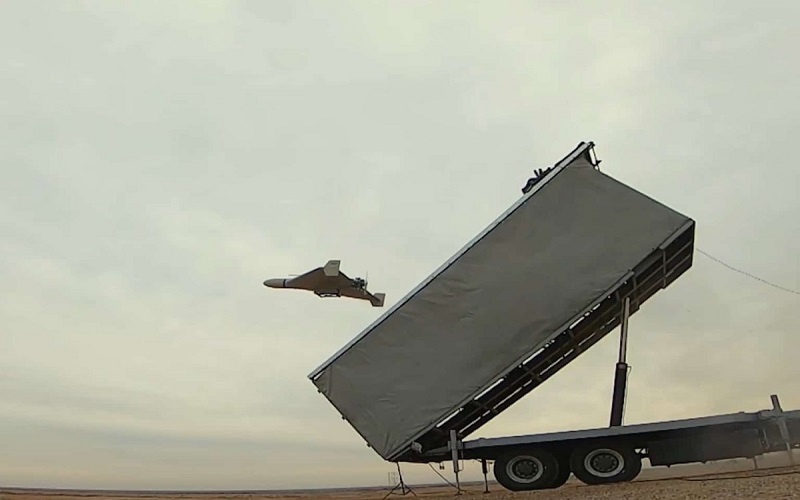

Ukraine continues to face a persistent aerial threat as Russia intensifies its missile and drone strikes, targeting major population centers, including Kyiv. Iranian-made Shahed loitering munitions, or kamikaze drones, have become a key component of these attacks, reflecting deepened cooperation between Moscow and Tehran. The alarming rise in drone usage points to increased production at a joint Russian-Iranian drone plant located in Tatarstan, Russia.
The latest report from the Hudson Institute, published on September 18, underscores the growing menace posed by Iranian drones. This follows previous warnings regarding the collaboration between Russia and Iran in drone manufacturing, highlighting the exploitation of child labor in producing these munitions. Unless the international community intervenes, experts warn that this cooperation could escalate in the coming months.
In August alone, the Kremlin deployed approximately 800 Shahed drones over Ukraine. Notably, only four days in the entire month saw no Iranian drones violating Ukrainian airspace. September has seen an even higher deployment rate, signaling a concerning trend. These drones, flying at low altitudes and often skimming river valleys, are designed to evade radar systems. In response, Ukraine has implemented an innovative nationwide detection network, relying on thousands of pole-mounted microphones to identify the Shaheds by the distinct hum of their engines.
Despite Ukraine’s efforts, Russia has adapted its tactics. Recently, drone operators have started flying the Shaheds at higher altitudes to circumvent the sound detection system, only descending when ready to strike. This shift has made Ukraine’s aerial assets—both fixed- and rotary-wing aircraft—crucial in intercepting these drones.
Iran’s deepening involvement in the war is of growing concern to the international community. The Shahed drones not only symbolize technological collaboration but also highlight Tehran’s increasing role in the conflict. As the war continues, the Iranian regime’s support of Russian aggression has drawn global condemnation, with human rights issues, including the use of child labor, casting further shadows over this alliance. If unchecked, the Russia-Iran drone partnership threatens to fuel the conflict and further destabilize the region.