
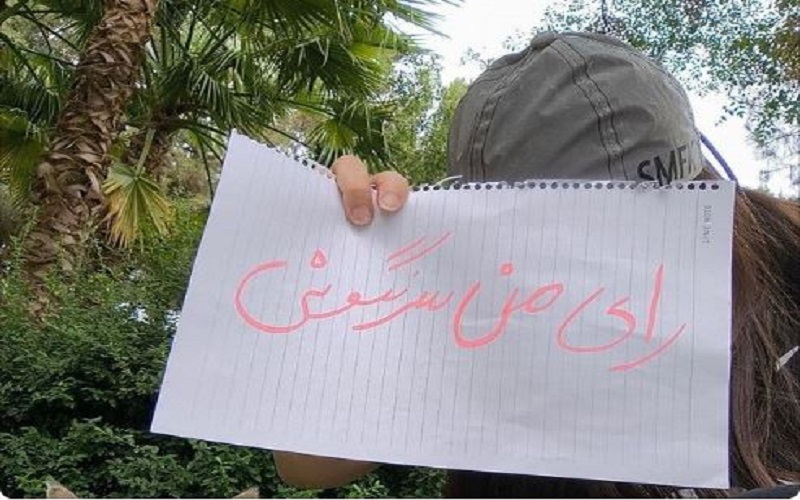

On June 28, the people of Iran decisively defeated the regime by actively and consciously boycotting its sham election. They did not show up at the polling booths, resulting in a participation rate of less than 50% for the fourth consecutive time in what the regime calls an election.
According to statistics published by the regime’s state-run media, the participation rate in the elections, excluding invalid votes, was around 40% at best. With the deduction of invalid and blank votes, this figure is easily reduced to a more humiliating level for the regime.
The People’s Mojahedin Organization of Iran (PMOI/MEK) social headquarters inside Iran monitored over 14,000 polling stations across the country, including large cities, small towns, and rural areas, from 8:00 a.m. to midnight. Despite extensive fraud and rigging, they reported that fewer than 7,400,000 people, only 12 percent of eligible voters, participated in the mullahs’ presidential election, whether voluntarily or under coercion.
Consequently, 88% of the Iranian people wielded the “crushing sledgehammer of boycott” against Khamenei’s election masquerade, resoundingly rejecting the religious dictatorship. They declared their definitive vote was for the overthrow of the regime.
However, as usual, the regime’s supreme leader Ali Khamenei will consider every vote for his regime, regardless of the candidate, as proof of the regime’s ‘reputation’, ‘honor’, ‘correctness’, ‘durability’, and ‘legitimacy’.
The leaders of the regime hoped to compensate for their defeat in the three previous elections by once again playing the burned card of the so-called reformists. They aimed to increase participation by speaking of their acceptability and legitimacy among Iranians.
Yet, the people of Iran, demonstrating national solidarity, collectively boycotted the sham elections. In doing so, they not only dashed all the regime’s hopes but also imposed the biggest defeat on this anti-Iranian regime before the international community.
This significant victory, especially following the 2022 nationwide protests, holds critical meaning and consequences for the regime. It will undoubtedly ease the people’s path toward establishing a democratic, secular, and human rights-based republic.
By boycotting the elections, the Iranian people loudly and decisively said ‘No’ to the regime once again. This resounding rejection will undoubtedly be noticed regionally and globally, increasing pressure on the Iranian regime. Those who appease this regime must reconsider their dealings.
Once again, the people of Iran validated the strategic slogan, “Reformist, conservative, the story is over.” This moment could be a turning point, restoring hope and morale to the people and preparing them for other mass actions, such as nationwide strikes and protests against the corrupt, incompetent, inefficient, predatory, repressive, and autocratic regime.
The Iranian regime lacks both the will and the ability to solve the people’s problems in internal and external politics, economy, culture, environment, and more. Naturally, this means the groundwork is laid for the continuation and expansion of further protests.
This boycott will also affect the regime’s supporters, stripping the regime of the ability to create a false polarization in society by extending the elections to a second round.
Regardless of the name that emerges from the regime’s ballot boxes, one undeniable fact looms over the regime’s future: the people of Iran have demonstrated their will and awareness by repeatedly boycotting the elections and to overthrow this regime. Thus, the regime, failing in its performance and more unstable than ever, is increasingly worried about its future.