


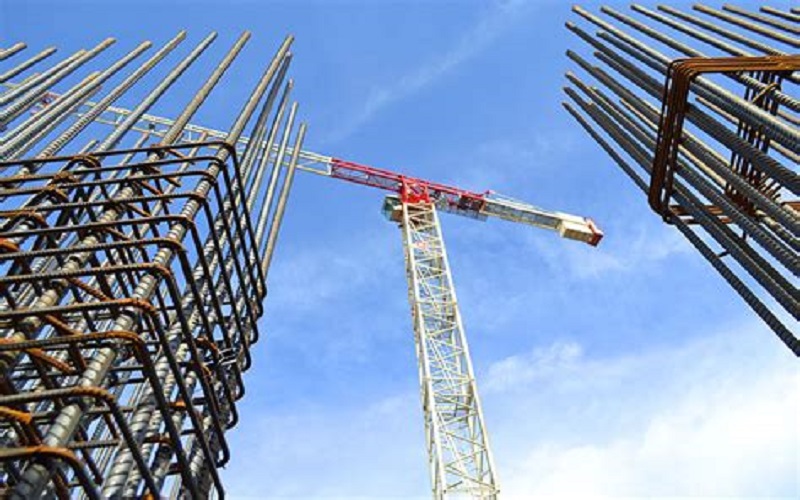

Iran has faced a severe lack of economic investment for several years, a trend that continues into 2024. According to a recent report by the Iranian Parliament Research Center on the nation’s 2024 fiscal budget, the government has made no significant construction or infrastructure investments. Instead, available funds have been directed towards covering the government’s operational expenses.
The government’s financial records, which outline the budget implementation, are crucial political-economic documents. They reflect how effectively senior economic managers have adhered to fiscal policies. A consistent concern for both managers and experts has been the budgetary deviation, an issue often highlighted in the annual reports of Iran’s Court of Accounts.
The Court of Accounts, one of the key supervisory bodies, has become increasingly proactive in recent years, regularly publishing reports on budget shortfalls. While such reports were historically delayed, the institution has recently released updated financial indicators for the first half of 2024, offering a more timely view of the regime’s financial activities.
One of the most striking revelations in this report is that no construction investment was made by the government in the national budget. Given the slow pace of financial data release from the Statistics Center and the Central Bank, the Court of Accounts’ report holds significant weight for those interested in Iran’s political economy.
Budget Imbalance and Rising Deficits
A fundamental aspect of sound fiscal management is maintaining a balance between resources and expenditures. According to the Court of Accounts, from the start of 2024 through September, the Iranian government had access to IRR 1,277 trillion ($20.5 billion) in resources, while its total spending exceeded IRR 1,338 trillion ($21.5 billion). This created a budget deficit of IRR 61 trillion ($978 million), which was covered using the Treasury’s resource management capacities.
The report raises critical questions about the legality and sustainability of this deficit management. Was the IRR 61 trillion deficit filled in compliance with legal standards and sound economic practices? There are growing concerns that the Iranian government is increasingly relying on short-term measures to cover gaps rather than addressing systemic fiscal imbalances.
Minimal Investment in Capital Assets
The breakdown of government expenditures is particularly telling. Of the total IRR 1,172 trillion ($18.8 billion) spent, 87% went toward operational expenses, such as government salaries and subsidies, while a mere 4% was allocated for capital asset acquisition and infrastructure investment. These figures highlight a critical failure: Iran’s budget is heavily skewed towards current expenses, leaving little room for development or long-term investment.
Over the years, the government has repeatedly diverted funds intended for construction and infrastructure projects to cover day-to-day operational costs. This trend has contributed to a lack of financial transparency and worsened the structural disorder in Iran’s fiscal system.
Issues with Subsidies and Financial Discipline
Further complicating matters, the Court of Accounts also reported deviations in how subsidies have been financed, particularly regarding Targeted Subsidy Programs. The total resources allocated for subsidies in the first half of 2024 amounted to IRR 216 trillion ($3.5 billion), but many of these funds remain unsettled.
The Ministry of Economy, for example, has paid IRR 95.3 trillion ($1.5 billion) to the Targeted Subsidies Organization, while the Central Bank has disbursed IRR 31.5 trillion ($505 million) to cover outstanding payments to wheat farmers—both actions taken without following the 2023 budgetary rules. Additionally, IRR 4.4 trillion ($71 million) was allocated to the Targeted Subsidies Organization, further complicating the financial situation.
The report identifies several institutions that have violated budget laws and delayed payments tied to the subsidy program. Failures in collecting claims from major industries by the National Gas Company and a lack of compliance by the National Iranian Oil Company have contributed to this financial mismanagement.
These deviations have inflated the monetary base, driven up inflation, and caused further instability in Iran’s already fragile economy.
Lack of Development Investment and Its Consequences
Ultimately, the report from the Court of Accounts paints a grim picture: in the first half of 2024, the Iranian government failed to make any significant investments in construction or infrastructure, despite such investments being critical for the country’s long-term economic health. This lack of development is a direct result of the government’s prioritization of operational expenses over capital investments.
Without a shift toward fiscal discipline and increased investment in infrastructure, Iran’s economy will continue to struggle with instability, inflation, and underdevelopment—issues that will only worsen if left unaddressed.