
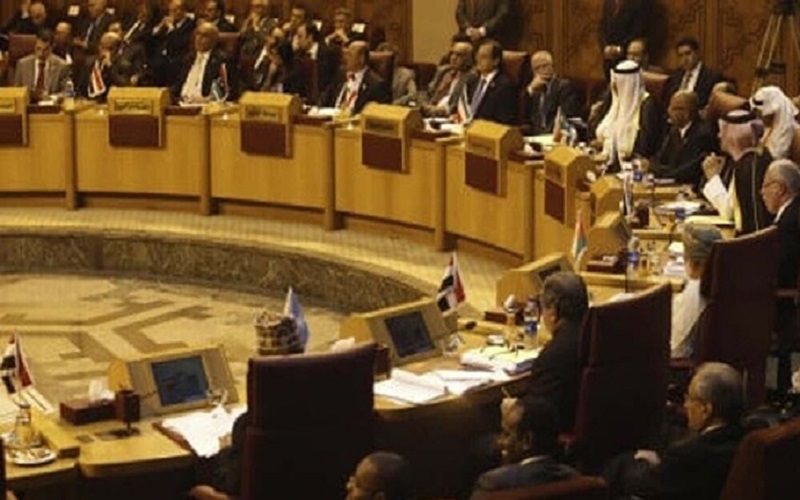

The Arab League has called on Iran’s regime to avoid actions that could exacerbate tensions in Syria following the fall of President Bashar al-Assad, a long-time ally of Tehran. The statement came on Thursday, as Syria grapples with a power vacuum after decades of Assad family rule were brought to an abrupt end.
Collapse of Assad’s Regime
Assad’s regime crumbled on December 8, when a coalition of Syrian groups seized control of key cities before advancing to Damascus. Assad fled to Russia, one of his staunchest allies, leaving Iran’s regime to face a significant geopolitical setback.
With Assad’s ouster, Tehran lost a crucial regional partner, while Hezbollah, its Lebanese proxy, emerged significantly weakened from a year-long conflict with Israel, though it remained intact.
Arab League’s Stance on Syria’s Stability
In a statement issued Thursday, the Arab League underscored the importance of preserving Syria’s sovereignty and territorial integrity. It called for disarmament of non-state actors, the dissolution of armed factions, and the rejection of destabilizing foreign interventions.
“Syria’s sovereignty, territorial integrity, and stability must be respected,” the bloc emphasized. The League, which had readmitted Assad into its fold last year after a decade of isolation, expressed concern over recent violence in the country.
Rising Tensions in Post-Assad Syria
Syria’s new authorities launched a military operation in an Assad stronghold on Thursday, following deadly clashes between their forces and gunmen linked to the former regime. The Arab League voiced alarm, stating it was “following with concern the events taking place in several Syrian cities and areas with the aim of igniting the sparks of conflict.”
The bloc also criticized recent Iranian regime statements as provocative, accusing Tehran of attempting to sow discord among the Syrian population. The League’s statement, however, did not specify which remarks it referred to.
Iran’s Response and Allegations of Interference
On Sunday, Iran regime’s Supreme Leader Ali Khamenei commented on the developments in Syria, predicting “the emergence of a strong, honorable group” in the wake of Assad’s departure. He claimed that Syria’s youth “had nothing to lose” and would shape the nation’s future.
Iran regime’s foreign ministry spokesperson, Esmaeil Baqaei, rejected accusations of meddling, describing media reports of Iranian regime interference in Syria as “baseless.” He reiterated Tehran’s commitment to Syria’s territorial integrity and national unity, emphasizing the need for an inclusive political framework.
Criticism from Syria’s New Leadership
Syria’s new government has openly criticized Iran’s regime for its historical role in the country’s turmoil. On Tuesday, Syria’s newly appointed foreign minister issued a stern warning to Tehran via social media platform X.
“Iran must respect the will of the Syrian people and the sovereignty and safety of its country,” he wrote. The minister accused Iran of spreading chaos and held it responsible for the potential fallout of its recent statements.
Looking Ahead
The fall of Assad’s regime marks a significant geopolitical loss for Iran, stripping Tehran of a vital ally in the region. This development also weakens its strategic influence in the Levant, as Hezbollah, another critical proxy, remains battered by recent conflicts. With its regional standing diminished, Iran faces mounting challenges in maintaining its foothold in Syria and countering criticism from Arab states and Syria’s new leadership. How Tehran responds to these setbacks will determine its future role in shaping the post-Assad landscape.