



The convergence of economic crises, political instability, severe currency fluctuations, investment risks, rampant inflation, and declining purchasing power has created an inhospitable environment for foreign investors in Iran. The recent exodus of foreign firms highlights the escalating severity of these challenges, as investors assess the economic and political conditions as increasingly untenable.
Major Players Exit Iran
In recent months, prominent international companies have chosen to withdraw their investments from Iran. One notable example is the Saudi Savola Group, which controlled over 50% of Iran’s edible oil market.
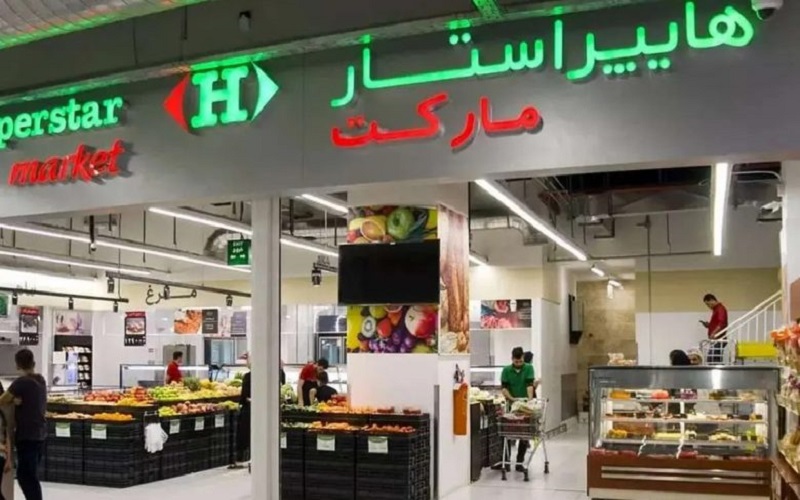
The company unexpectedly divested its capital, transferring its shares to another firm. This development was soon followed by reports about the potential departure of the Emirati conglomerate Majid Al Futtaim, the investor behind the Hyper Star chain of stores.
These reports gained traction when Tehran Municipality’s Finance and Economic Deputy confirmed the transfer of property owned by Hyper Star on Shahid Bakeri Highway to Bank Shahr. Bank Shahr later announced it had taken over this property to settle outstanding debts.
Although Mohammad Ali Khorasani, head of the Iran Chain Stores Union, denied the withdrawal of Majid Al Futtaim from Iran, Farshid Farzanegan, head of the Iran-UAE Chamber of Commerce, indirectly confirmed the exit.
On social media platform X, he described the departure of foreign brands as a “danger bell for the economy,” questioning whether these companies had access to information unavailable to the public.
Increasingly Unstable Environment
The concerns intensified with reports on January 14, 2025, that a Dutch investor owning approximately 33% of Digikala shares was planning to exit the Iranian market. Similarly, Hamshahri Online earlier revealed that the investor behind Vivan Co., a chain with over 100 branches across Iran, had also decided to leave.
Hassan and Hamideh Hashemi, the investors of Vivan, cited “losses due to rising goods prices and a sharp decline in purchasing power” as key factors behind their decision.
Trade activist Hossein Selahvarzi, in an interview with Donya-e Eghtesad, described the departure of the Saudi Savola Group and the Emirati Hyper Star as particularly concerning.
“Savola remained in Iran even during periods of heightened tension between Iran and Saudi Arabia, such as the closure of embassies,” he noted.
Similarly, “Hyper Star operated despite tightened U.S. sanctions during Donald Trump’s presidency. Their withdrawal in the current climate raises serious questions.”
Structural and External Challenges
Economic analysts highlight several underlying factors contributing to this wave of foreign investor departures. These include shrinking household consumption, declining profitability, frequent legal and regulatory changes, infrastructure challenges, and the ongoing impact of international sanctions.
The returning of Donald Trump to the White House, along with the potential for stricter sanctions, adds another layer of uncertainty.
According to Eghtesad-24, these conditions collectively signal an “exit message” to multinational corporations. The prospect of a more restrictive trade environment with Iran under a renewed Trump administration has only intensified concerns.
Broader Economic Implications
The departure of foreign investors is more than just a symbolic loss; it has tangible repercussions for Iran’s economy. Reduced foreign capital inflow exacerbates existing vulnerabilities, intensifies market volatility, and undermines efforts to stabilize the economy.
Economic experts warn that the continuation of this trend will further deter future investment, creating a vicious cycle of economic stagnation. As Farzanegan aptly put it, the exodus of these firms represents not only a loss of capital but also a critical warning for Iran to address its economic and political challenges.