


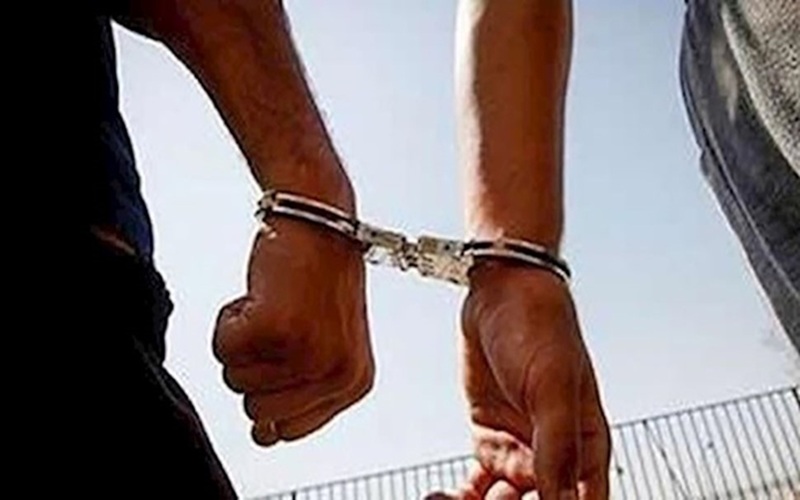

Officials of the Iranian regime intensify arrests, deploy security forces across cities, and openly threaten protesters with live fire as authorities fear a new wave of nationwide unrest.
Iran’s regime have intensified security measures across the country amid growing reports of public dissatisfaction and fears of renewed nationwide protests. A wave of arrests, threats against citizens, and the expanded deployment of security forces in major cities signal what observers describe as mounting concern within the regime over the possibility of another uprising.
On March 10, Ahmadreza Radan, the commander of the regime’s police force, announced during an interview with state television that 82 citizens had been arrested on charges of sending information to foreign media outlets and maintaining contact with them.
Radan confirmed the heightened security atmosphere, stating that police forces were deployed in the streets around the clock. He also issued a direct warning to potential protesters, declaring that security forces were prepared to respond forcefully if demonstrations occur.
Threats of Direct Use of Force
During the same interview, Radan used stark language to warn the public against taking to the streets. According to his remarks, security personnel are fully prepared to confront demonstrators, stating that officers are effectively “ready with their fingers on the trigger.”
Simultaneously, the regime’s intelligence apparatus, the Ministry of Intelligence of Iran, announced that 30 additional individuals had been detained on accusations of espionage and cooperation with hostile entities.
These arrests come as authorities intensify efforts to suppress dissent both in physical spaces and online.
Security Forces on Alert
Earlier, on March 6, Radan claimed that regime security forces were fully prepared to confront what he described as “plots” both at the country’s borders and within cities.
He stated that border guards were equipped and ready to respond decisively to any perceived threats, asserting that the country’s security apparatus remains on high alert.
The regime’s police commander also claimed that security forces, along with members of the Basij militia, were actively present across neighborhoods and public squares, describing their role as defending public order and national security.
Regime authorities have also increased surveillance and enforcement measures in cyberspace. Officials warned that individuals accused of spreading information considered disruptive to public order on social media would face decisive legal action.
Judiciary Echoes Hardline Threats
Hardline rhetoric has also emerged from the regime’s judicial establishment. During a televised interview on March 6, Morteza Simirai a judiciary-linked commentator declared that the regime’s judicial system was prepared to confront what he described as “terrorist groups” using the same harsh methods employed in previous decades.
The remarks referenced the legacy of Asadollah Lajevardi, a figure associated with severe crackdowns on political opponents during the early years of the regime. The commentator claimed that current judicial officials consider themselves followers of that approach and would not hesitate to apply similar measures.
Further threats came from Gholam-Hossein Mohseni-Eje’i, the regime’s head of Justice, who warned that under what he described as “wartime conditions,” any speech or activity perceived as aligning with the positions of foreign adversaries would face harsh punishment.
A Militarized Atmosphere in Cities
In recent days, numerous reports have emerged describing a heavy security presence in cities across Iran. Witnesses and social media users have reported the establishment of multiple checkpoints and increased patrols by security forces.
Some observers described the atmosphere in major urban areas as one of intimidation and fear. The Coordination Council of Iranian Teachers’ Trade Associations referred to the situation in Tehran as resembling a “militarized environment.”
Signs of Regime Anxiety
Analysts believe the surge in arrests, the explicit threats of using firearms against who ever dares to protest, and the visible deployment of security forces reflect deep concern within the regime’s leadership about the potential escalation of public unrest.
In recent years, Iran has experienced several nationwide protests driven by economic hardship, political repression, and public frustration with the regime. Observers say the current security measures suggest that the regime’s authorities fear similar demonstrations could erupt again.