


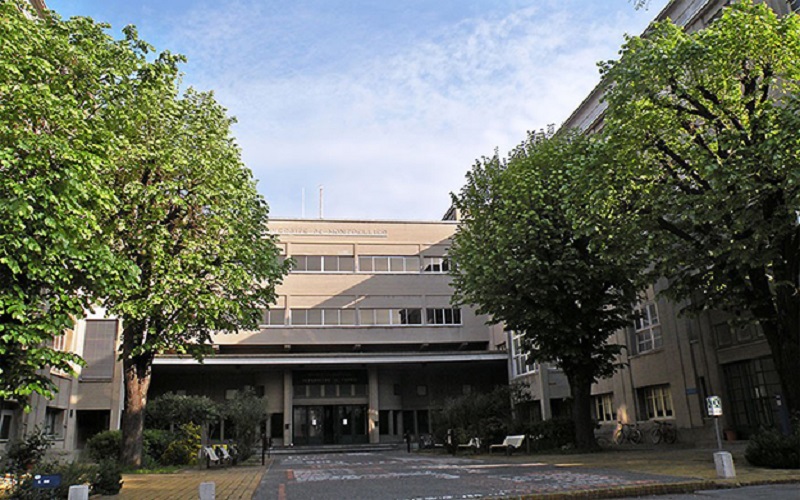

Iran’s Khajeh Nasir Toosi University of Technology (KNTU) has implemented new restrictions on student activity, particularly in cyberspace. These restrictions require large online groups (over 100 members) to gain approval from the “Student Publications Supervisory Committee” before forming. Additionally, membership in unauthorized online channels can lead to punishment under the university’s disciplinary code.
According to a report by ISNA news agency on May 8th, KNTU claims that none of the currently active student groups online hold a legal license. The university justifies these restrictions by citing the misuse of online spaces for “defamation of individuals” and the spread of “inappropriate content” on social media. University officials further claim that the decision was made in response to criticism from “students, parents, faculty members, and well-wishers.”
However, these restrictions come in the wake of heightened student activism at KNTU. Since the death of Mehsa Amini in the custody of the “morality police,” KNTU students have actively participated in nationwide protests, advocating for their rights. In a December 7th, 2022, letter to university authorities, students expressed their frustration: “We have been oppressed, fought back, and reclaimed our rights numerous times. We will not rest until we have our rights secured, and we will use any means necessary, even if it costs our lives.”
These restrictions on online activity reflect a broader trend of intensifying pressure and interference by Iranian security forces within universities. This trend began in September 2022, coinciding with the nationwide protests. In December 2022, at the height of the protests, the “Executive Manual of the Disciplinary Regulations of the Country’s Students” was implemented across Iranian universities. This manual outlines 20 disciplinary measures and emphasizes adherence to “Sharia, moral, and legal standards” in student conduct.
A report by Ham Mihan newspaper in December 2022 linked the approval of these regulations to a rise in student repression and a heightened atmosphere of tension within universities. A higher education union official recently confirmed this connection, stating that “government interference in universities has increased” and that “the Ministry of Interior dictates orders to universities.”
Karen Abrinia, secretary of the university professors’ union, further clarified the situation in an interview with Khabaronline. Abrinia asserts that the restrictions and security measures imposed on universities originate from the Ministry of Interior and the National Security Council, effectively rendering the Ministry of Science powerless. Abrinia went on to detail the impact of these restrictions, stating that in 2023 alone, “around 200 university professors faced restrictions, and nearly 25 were fired.”
The crackdown extends beyond online activity. The Telegram channel “United Students” reported that at least five students have recently faced disciplinary charges related to their social media activity. Evidence used against them reportedly included screenshots of tweets and personal photos. There have also been reports of students being punished for protesting against these restrictions. A recent case involved Ahmed Pirouznia, a PhD student at Tarbiat Modares University, who was expelled from his dormitory, banned from dining facilities and student loans, and barred from studying for six years by the disciplinary committee for protesting violations of student rights.
The situation at KNTU reflects a nationwide trend of intensifying restrictions on student activity and expression in Iran. The regime’s justifications for these restrictions ring hollow in light of the students’ active role in recent protests. These measures appear to be a calculated attempt to stifle dissent and control the narrative within Iranian universities.