


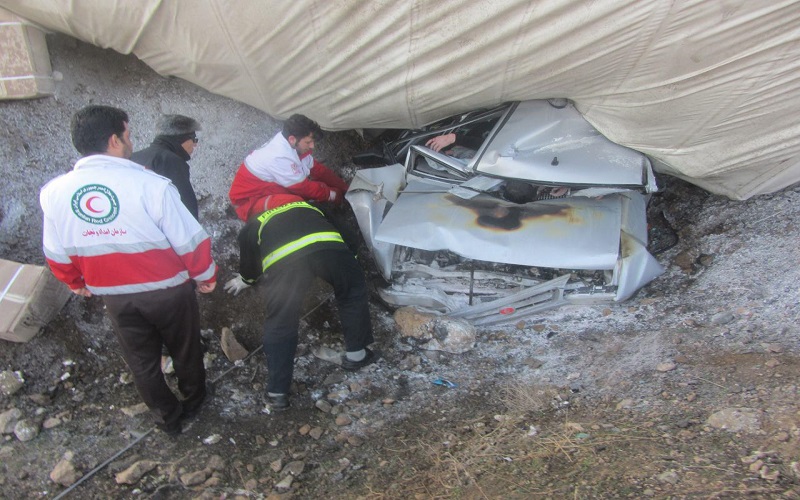

Iran faces significant challenges due to natural and man-made disasters, with annual damages estimated at $5 billion, according to the spokesman of the country’s Crisis Management Organization. This staggering figure highlights the urgent need for improved disaster preparedness and prevention strategies.
Hossein Zafari, the organization’s spokesperson, emphasized that a substantial portion of these damages could be mitigated through increased investment in prevention and education. Over recent years, the country has suffered approximately 100 trillion tomans (roughly $1.69 billion) in damages from various incidents, with 70-80% of this amount being tangible losses covered by the national budget.
The process of compensating for disaster-related damages has become increasingly complex due to the disregard for approved laws. Article 17 of Iran’s Crisis Management Law mandates that the government compensate affected regions using a specific budget allocated by the country’s Program and Budget Organization. However, Zafari noted that the organization has failed to implement Article 16, which outlines the duties of government agencies in accident prevention, citing an inability to allocate the necessary funds.
Earthquake Vulnerability and Infrastructure Concerns
Iran’s susceptibility to earthquakes is exacerbated by inadequate implementation of infrastructure and safety requirements, particularly in rural areas. This stands in stark contrast to countries like Japan, where adherence to strict safety standards has resulted in significantly less damage from earthquakes of similar or greater magnitude.
Experts attribute the extensive damage caused by earthquakes and similar incidents in Iran to several factors:
- Disregard for fault maps when issuing construction permits
- Continued construction in areas prone to faults and floods, despite legal prohibitions
- Failure to implement safety standards during post-earthquake reconstruction efforts
The destruction of state-built Mehr Housing projects in recent earthquakes, including the Sarpol Zahab earthquake, underscores the negligence of executive bodies in disaster prevention.
Over the past 33 years, Iran has suffered approximately $4.4 billion in direct damages from earthquakes, with indirect damages estimated between $22 and $30 billion. This translates to an average annual loss of $130 million in direct damages and $650-900 million in indirect financial losses.
Floods: A Recurring Threat
Seasonal floods have emerged as another major cause of destructive incidents in Iran. The persistence of damaging floods in areas with a history of such events indicates a lack of effective measures to address root causes. In 2021, Iran experienced 555 floods, followed by 675 in 2022, and at least 316 in 2023. The combined damage from floods over these three years amounts to 21 trillion tomans (approximately $361 million).
Crisis Management Challenges
Iran’s crisis management capabilities face several challenges:
- Insufficient preparedness for disasters
- Delayed arrival and poor coordination of rescue forces
- Lack of adequate relief facilities
- Corruption in executive, security, and judicial structures, leading to substandard construction practices
- Weak enforcement of safety standards in national construction projects
The collapse of newly built bridges, unsafe roads, and infrastructure failures continue to claim lives annually. Despite these incidents, there is often little accountability for those responsible for issuing permits, overseeing construction, or monitoring these projects.
Unsafe Buildings: A Ticking Time Bomb
The risk of accidents similar to the Abadan Metropol and Tehran Plasco building collapses remains a significant concern. In June 2022, a list of 129 unsafe buildings in Tehran was published, many of which remain in critical condition two years later. Former Tehran City Council member Zahra Nejad Bahram revealed that security institutions are preventing the publication of a detailed list of unsafe buildings in the capital, estimating that there are approximately 3,500 such structures in Tehran alone.
Conclusion
Living under the constant threat of accidents has become a grim reality for many Iranians. From earthquake-prone land and unsafe construction to worn-out roads and an aging air fleet, the country faces multifaceted risks. Addressing these challenges will require significant investment in infrastructure, stricter enforcement of safety regulations, and a concerted effort to prioritize disaster prevention and management across all levels of government.