



On the anniversary of the Hamas-Israel war, the Iranian regime finds itself grappling with the fallout of its own strategic blunders. In an ill-fated move, Iran ignited a new conflict in the Middle East without fully assessing the consequences, leaving the regime vulnerable to the repercussions that have followed.
Before the events of October 7, 2023, political and regional dynamics were already signaling potential punitive consequences for the regime. However, consumed by internal crises and fearing a resurgence of domestic protests, Iran’s leadership saw war as the only option to divert attention from its problems. This desperate maneuver blinded the regime to the immediate outcomes of its warmongering, leaving it ill-prepared for the worsening situation in the weeks that followed. The future now appears bleaker than it did before October 7.
Despite efforts by Iranian state media to bolster the morale of the regime’s forces, the reality of its strategic failures has become undeniable. Even pro-regime commentators and experts are beginning to acknowledge the consequences of this miscalculation.
On October 9, Shargh, a state-run daily, issued a stern warning to the regime. Recalling the “heavy and historical responsibility of officials,” the newspaper reminded the leadership that escaping a war is far more difficult than entering one:
“Exiting a crisis and war is not as easy as entering it. Therefore, accurate calculations and a multifaceted understanding of the complexities of entering into a crisis is a heavy and historical responsibility for a country’s officials.”
The article also pointed out that many within the regime now regret the decision to engage in this conflict:
“Those who celebrated the day after the Al-Aqsa operation are now, when weighing the costs and benefits, questioning whether it was the right decision. For some, the days before October 7 have become a wistful memory.”
Political and military miscalculations often snowball, becoming uncontrollable forces with widespread consequences. Shargh further highlighted this by discussing the broader regional implications:
“The expansion of the Gaza conflict to Lebanon, and the possibility of it spreading to Iraq and Yemen, are signs that the region’s decades-old power dynamics may be changing. One thing is clear: the Middle East, post-conflict, will never return to the status quo.”
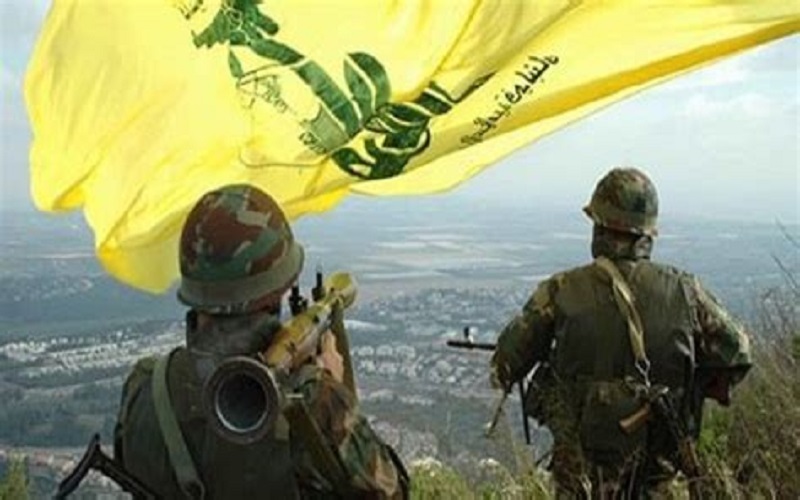
In addition to the blowback from the war, the regime faces another devastating loss—the death of Hezbollah leader Hassan Nasrallah. Ham Mihan, another state-run daily, addressed this setback, emphasizing Nasrallah’s critical role following the death of Qassem Soleimani:
“After Soleimani’s martyrdom, Nasrallah played a pivotal role in commanding IRGC operations in Lebanon and Syria. Iran’s military and political leadership often sought his counsel. Now, with his loss, Iran has lost two key pillars of its regional influence, at least for the foreseeable future.”
Strategic failures not only carry political and military consequences, but also erode the morale of those who once supported the regime’s agenda. The psychological impact of these missteps has spread rapidly, particularly among pro-regime forces, creating an internal social backlash. This growing disenchantment was reflected in an article by Setareh-e Sobh on October 10, where a veteran of the Iran-Iraq war criticized the regime’s decision-making:
“Turning this conflict into an ideological battle was a mistake from the start. Engaging in a war that was never ours has only brought loss and destruction.”
These cracks in state-run media reveal only a small glimpse of the reality behind Iran’s strategic failure.
Meanwhile, Iranian social media and online platforms are abuzz with discussions of the regime’s increasing isolation in the region. The regime now faces not only the consequences of its regional adventurism but also the growing threat of domestic unrest, as a society weary of endless wars and economic hardship begins to question the leadership’s motives. Iran’s regime is now cornered by a combination of regional isolation and mounting international pressure, further destabilizing an already fragile regime.