


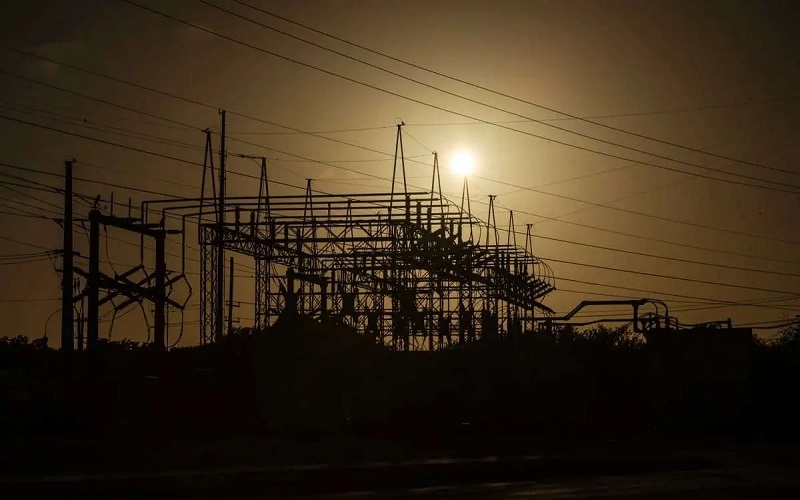

On Tuesday, February 25, 2025, Tehran and 26 other provinces in Iran were forced to shut down due to a severe power and gas shortage. The closures affected government offices, banks, and schools, with some provinces transitioning to remote learning in response to the crisis.
Widespread Shutdowns Across the Country
According to Iranian news agencies, the provinces affected by the closures included Tehran, Isfahan, East Azerbaijan, West Azerbaijan, Khorasan Razavi, South Khorasan, North Khorasan, Alborz, Markazi, Golestan, Mazandaran, Fars, Zanjan, Semnan, Hamedan, Qazvin, Qom, Kermanshah, Ardabil, Kurdistan, Gilan, Chaharmahal and Bakhtiari, Sistan and Baluchestan, Kerman, Lorestan, and Ilam. Only Khuzestan, Bushehr, Hormozgan, and Yazd remained exempt from the shutdowns.
This marks the second consecutive day that Tehran and most other provinces have been closed due to energy shortages. The crisis stems from a persistent imbalance between energy supply and demand, exacerbated by years of inadequate investment, aging infrastructure, and systemic mismanagement.
Economic and Industrial Impact
The power and gas shortages have had far-reaching consequences beyond the closure of government and educational institutions. Many industrial sectors have suffered production slowdowns or complete shutdowns due to fuel and energy deficits. This has led to rising unemployment and a decline in GDP, further worsening Iran’s fragile economic situation.
The effects extend into everyday life, with frequent power and gas outages disrupting public services and increasing living costs. In response to gas shortages, power plants have resorted to burning diesel fuel, significantly worsening air pollution and contributing to environmental degradation.
Public Outrage and Concerns of Economic Collapse
The prolonged and repeated shutdowns have triggered widespread discontent. Many Iranians have taken to social media, describing the closures—11 days in a single month in the capital alone—as a sign of “bankruptcy” or “collapse” in all sectors. Protests have erupted in response to the crisis, reflecting growing frustration with the government’s handling of the situation.
According to a report from the Iranian Parliament Research Center, power outages during the summer of 2024 resulted in an estimated loss of 43 trillion tomans in profit for small industries. The economic toll continues to mount as businesses struggle with unreliable energy supplies.
Structural Failures and Governance Issues
The Tasnim news agency, which is affiliated with the Islamic Revolutionary Guard Corps (IRGC), reported in early January that at least 80 out of the country’s 600 power plants had been shut down due to fuel shortages. Iran’s domestic power plants have a maximum generation capacity of 58,000 megawatts, and the shutdowns have reduced this capacity by 8,000 megawatts—approximately 14%.
Adding to the political implications of the crisis, a recent social media post by U.S. President Donald Trump gained attention after he retweeted a message referencing Iran’s energy shortages, stating: “This is how regimes fall.”
A Crisis Rooted in Sanctions and Mismanagement
Iran, despite possessing vast oil and gas reserves, is facing severe energy shortages due to a combination of international sanctions, mismanagement, and lack of investment in critical infrastructure. Sanctions imposed over Iran’s nuclear program have restricted access to technology and foreign investment, exacerbating the country’s energy crisis.
Experts argue that resolving this crisis requires comprehensive planning, infrastructure investment, and systemic reforms in energy resource management. However, many believe that such changes are unattainable under the current governance structure, which continues to demonstrate inefficiency and resistance to reform.
As Iran grapples with these challenges, the energy crisis serves as yet another indicator of the country’s deepening economic and infrastructural decline, raising questions about its long-term stability and the government’s ability to address fundamental structural failures.