



Structural flaws, energy shortages, and policy instability push Iran’s economy toward collapse
In recent years, Iran’s economy has descended into a complex, multi-layered crisis. What was once a manageable set of economic challenges has evolved into a deep structural collapse affecting nearly every pillar of production, trade, and supply. From severe energy imbalances and intensifying international sanctions to erratic domestic policymaking and entrenched stagflation, the economic landscape in Iran reveals a nation caught in a tightening spiral.
Energy Imbalance Cripples Industry
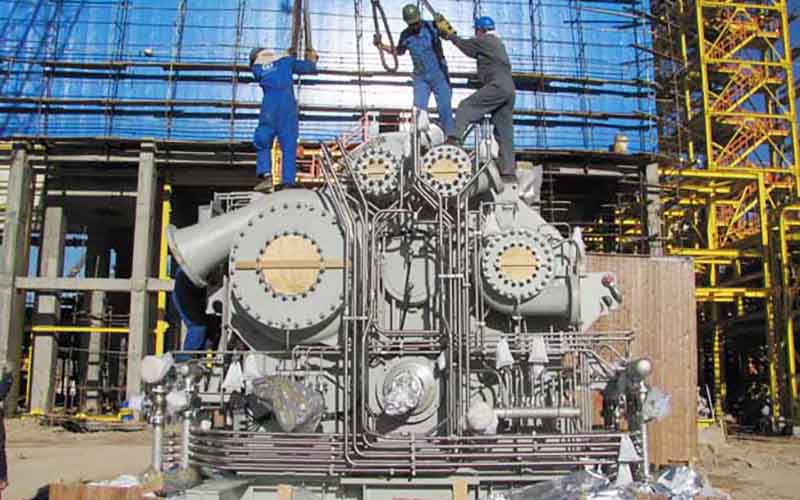
One of the most critical threats to Iran’s industrial base is a growing energy crisis, particularly in the supply of electricity and gas. Frequent blackouts and severe restrictions have disrupted factory operations, leading to surging production costs and widespread halts in manufacturing. Energy-intensive sectors—such as steel, cement, and petrochemicals, which together constitute a significant portion of Iran’s GDP—have been forced to cut back output due to unreliable power supplies. These disruptions have not only slashed their domestic and international competitiveness but also deeply damaged supply chains across upstream and downstream industries.
Sanctions and the Looming Return of UN Restrictions
Compounding these structural weaknesses are far-reaching international sanctions. U.S. restrictions, coupled with the looming expiration of UN Resolution 2231 in October 2025 and potential reactivation of multilateral sanctions, have placed Iran’s economy under extraordinary strain. Access to foreign currency, raw materials, spare parts, and critical technologies has been sharply curtailed. Industries dependent on imports—such as the cellulose and packaging sectors—are struggling to stay afloat.
According to Seyed Hassan Heydarpour, CEO of Arian Chemical Company, the bureaucratic gridlock surrounding currency allocations and delays in raw material procurement have led to unpredictable costs and frequent production stoppages. These problems, combined with the rising cost of bypassing sanctions through unofficial trade routes, have severely diminished Iran’s global export competitiveness.
Foreign Trade: In Decline and Out of Balance
Iran’s foreign trade, especially non-oil exports, illustrates the depth of the current crisis. According to Iran’s Customs Administration, non-oil exports in spring 2025 declined by 9.3% in volume and 14.4% in value. Petrochemical exports—central to Iran’s non-oil trade—suffered a staggering 28.7% drop in volume and 24.5% in value. These declines are linked not only to volatile global prices but also to shrinking export markets, logistical hurdles, and over-dependence on the petrochemical sector.
On the import side, the situation is equally alarming. A reported 4.35% decrease in weight and 11.73% drop in import value point to a weakening ability to acquire capital goods and advanced technologies. Iran’s trade continues to lean heavily on a limited circle of partners, particularly China and the UAE, underlining its growing commercial isolation from the West. The resulting non-oil trade deficit—$1.374 billion—has further depleted Iran’s foreign currency reserves, fuelling inflation and weakening domestic purchasing power.
Domestic Policy Volatility and Financial Strangulation
Economic instability is further exacerbated by erratic and unpredictable domestic regulations. Constant shifts in currency, customs, and tax policies have made long-term planning almost impossible for Iranian businesses. Meanwhile, the Central Bank’s decision to raise interest rates from 23% to nearly 40% this year has turned financing into a nightmare for most producers.
Despite these hardships, government entities continue to enforce aggressive tax collection and insurance premiums, offering little in the way of financial relief or production incentives. The result: a wave of layoffs, factory closures, and shrinking industrial capacity.
Stagflation Paralyzes Demand
The lethal combination of inflation and recession—stagflation—is hollowing out consumer demand across the board. The construction sector, typically a growth engine supporting over 100 industries, has effectively come to a halt. Annual production capacity for composite wood panels, once 4 million cubic meters, has plummeted to just 1.2 million due to falling demand. As costs surge—driven by inflation, energy tariffs, logistics, and wages—profit margins are vanishing, pushing many businesses toward bankruptcy.
A Bleak Horizon
Iran’s economic future appears tightly bound to political developments. In a scenario where sanctions intensify, non-oil exports could shrink by another 20–30%, while trade dependency on a few partners like China may deepen. In the event of military conflict, strategic infrastructure—particularly key export ports like Bandar Abbas—would face severe disruption, potentially halving exports and triggering a full-scale currency crisis.
Even under a more optimistic scenario involving a nuclear agreement, domestic inefficiencies—such as bureaucratic paralysis and a lack of export diversification—are likely to prevent Iran from fully capitalizing on renewed trade opportunities.
The Structural Crisis of a Theocratic Economy
At its core, the Iranian economy is suffocating under the weight of systemic dysfunction. Energy shortages, crippling sanctions, erratic policy, and stagflation have crippled supply chains and foreign trade. Falling competitiveness, declining exports, and a widening trade deficit point to a macroeconomic trajectory that grows more dire by the day.
This crisis is not merely a byproduct of global pressures—it is rooted in the corrupt, extractive, and authoritarian governance of the ruling regime. Without fundamental structural reforms and a transformation of political power, Iran’s economy is likely to sink deeper into the abyss. The path out of this crisis is narrow, and under the current system of absolute clerical rule, nearly invisible.