Human rights experts, Nobel laureates, and former UN officials warn of an escalating pattern of state repression and potential crimes against humanity in Iran
More than 300 internationally recognized legal scholars, human rights advocates, and Nobel Prize winners have signed a joint open letter addressed to United Nations Secretary-General António Guterres, expressing grave concern over the dramatic escalation of executions in Iran and warning of what they describe as a growing pattern of atrocity crimes.
The letter, released by Justice for the Victims of the 1988 Massacre in Iran (JVMI), has been endorsed by a wide range of former UN officials, senior international judges, and prominent legal authorities. The signatories argue that Iranian authorities are using ongoing regional instability as cover for a broad and coordinated crackdown on political dissent.
Executions Reach Highest Level in Decades
According to the letter, Iran is witnessing its most extensive wave of executions in nearly four decades. Human rights experts state that since the outbreak of regional tensions on February 28, 2026, authorities have intensified arrests, torture, and executions while simultaneously restricting internet access to suppress public unrest and limit the flow of information beyond the country’s borders.
International observers cited in the statement describe the campaign as systematic and politically driven.
Political Prisoners and Dissidents Under Intensified Pressure
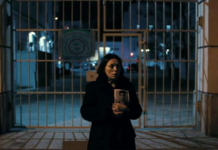
Since March 19, 2026, dozens of individuals have reportedly been executed following expedited judicial proceedings widely criticized for lacking due process. The letter states that at least eight political prisoners were executed solely because of alleged ties to the opposition People’s Mojahedin Organisation of Iran (PMOI/MEK), while at least 11 others are said to be facing imminent execution under similar accusations.
Tens of Thousands Arrested
Figures compiled by the UN Independent International Fact-Finding Mission on Iran (FFMI) estimate that more than 50,000 protesters have been detained during the recent unrest, highlighting the scale of the government’s response.
Judiciary Accused of Expanding Use of Capital Charges
The letter also raises alarm over the widespread use of charges such as moharebeh (“enmity against God”) and baghi (“armed rebellion”), which rights advocates say are increasingly being used as political tools.
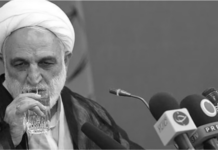
According to the document, Iran’s Prosecutor General declared that all protesters should be considered guilty of moharebeh, while the Head of the Judiciary reportedly instructed judges to show “no mercy” in cases linked to anti-government demonstrations.
Concerns Over a Culture of Impunity
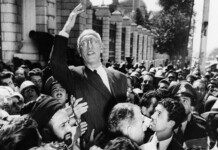
The coalition of international experts argues that the current crackdown is deeply connected to decades of impunity inside Iran. The letter draws parallels to the 1988 mass executions of political prisoners, during which approximately 30,000 detainees were allegedly executed or forcibly disappeared.
It also references findings by the UN Special Rapporteur on Iran, who concluded in 2024 that those events constitute ongoing crimes against humanity and genocide.
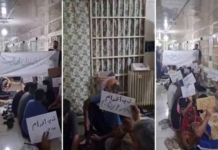
The signatories further expressed support for domestic resistance efforts, including the “No to Executions” movement inside Iranian prisons and broader calls for democratic change and the establishment of a democratic republic.
Prominent International Figures Join the Appeal
The statement has attracted support from a notable group of political and legal figures from around the world.
Among the signatories are Nobel Peace Prize laureates Oleksandra Matviichuk, Jody Williams, and former Costa Rican President Oscar Arias Sánchez, alongside several distinguished laureates in science and economics.
The list also includes senior international legal figures such as former International Criminal Court President Sang-Hyun Song, former President of the UN Human Rights Council Joachim Rücker, former UN General Assembly President Mogens Lykketoft, and former UN Special Rapporteur on Iran Javaid Rehman.
Other prominent supporters include Mark Ellis, Executive Director of the International Bar Association, and Cherie Blair, founder of the Cherie Blair Foundation for Women.
Copies of the letter were also sent to UN High Commissioner for Human Rights Volker Türk, current UN Special Rapporteur on Iran Dr. Mai Sato, and the FFMI.
More than 300 legal experts, human rights defenders, and Nobel laureates have issued a joint open letter to @antonioguterres & @volker_turk, raising alarm over a sharp escalation in executions in Iran and warning of an emerging pattern of atrocity crimes.https://t.co/dgisfhmvFz pic.twitter.com/p1hmhxcpbG
— Justice for the Victims of 1988 Massacre in Iran (@jvmifoundation) May 18, 2026
Calls for Concrete International Action
Rejecting what they describe as a dangerous international silence that “only reinforces impunity,” the signatories urged UN member states to take immediate and practical action.
International Accountability Measures
The experts called for the creation of an international accountability mechanism capable of conducting effective investigations into crimes under international law and supporting prosecutions through universal jurisdiction.
Diplomatic Pressure on Tehran
The letter also urges governments to condition future diplomatic and economic relations with Iran on a verified halt to executions and measurable improvements in human rights protections.
Demand for Release of Political Prisoners
Finally, the signatories demanded the immediate and unconditional release of all political prisoners and called on Iranian authorities to fully restore unrestricted internet access across the country.