



In 2018, the World Bank reported that 0.5% of the Iranian population—approximately 420,000 people—were living below the absolute poverty line, defined as having an income of less than $1.90 per day. Around the same time, Iran’s Parliament Research Center estimated that between 23% and 40% of the population was living in poverty.
However, by October 2020, the situation had worsened dramatically. According to the same research center, more than 60% of Iran’s population had fallen below the poverty line due to the sharp decline in the value of the rial. The poverty line in Iran had surged to 20 million tomans per month.
Poverty in a Resource-Rich Nation
The growing poverty in Iran is particularly tragic given the country’s wealth of natural resources. On one side of a stark economic divide, nearly 246,000 Iranians are classified as millionaires (in USD), making Iran home to four times as many millionaires as Turkey and three times as many as Egypt. Yet, almost one in every three Iranians struggles to meet basic needs, revealing the deep inequality that defines the nation’s economy.
At the start of 2024, when the U.S. dollar exceeded 60,000 tomans, the poverty line for residents of Tehran climbed to more than 30 million tomans per month. For rural households in Tehran province, the poverty line was estimated at 15.7 million tomans. With these figures, nearly half of Iran’s population is now living below the absolute poverty line.
Economic Decline and Its Consequences
Despite Iran’s wealth, its economy has suffered from years of sanctions and mismanagement. The World Bank reports that Iran’s GDP has contracted by an average of 0.6% each year over the past decade. Globally, the poverty rate has been decreasing, yet in Iran, it continues to rise.
This persistent economic decline has affected all aspects of life in Iran. Despite government promises to alleviate poverty, the regime’s policies—marked by corruption and lack of transparency—have only worsened the situation. The Iranian people are increasingly trapped in a cycle of poverty, with no meaningful economic growth on the horizon.
Food Insecurity: A Growing Crisis
One of the clearest signs of Iran’s deteriorating economic conditions is the widespread food insecurity. On October 16, the state-run website Entekhab reported that eight provinces are facing severe food shortages. The site highlighted three provinces in particular: Kerman, where 74% of people are food insecure; Sistan and Baluchistan, where 70% face food shortages; and Khuzestan, where 58% of households struggle to access adequate nutrition.
In Sistan and Baluchistan, 50% of children are malnourished and suffer from stunted growth, a direct result of long-term nutritional deficiencies. Additionally, 25% of the population in this province is underweight. The national picture is just as grim: while the global average for meat consumption is 30 kg per person annually, in Iran it has plummeted to just 5 kg, unevenly distributed among the population.
The Impact on Daily Life
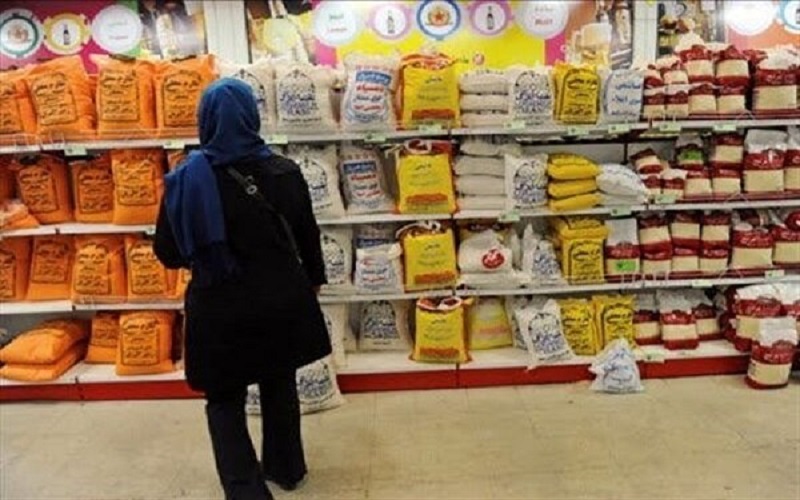
The rising cost of food is further exacerbating poverty. In October 2024, the state-run media reported that the average cost of a family’s basic necessities had soared to 36 million tomans per month, with essential food items alone costing 14 million tomans. This translates to a daily food expenditure of 466,000 tomans for an average family—yet the minimum wage for official workers is only 7 million tomans per month.
Worse still, only 1% of Iranian workers are officially employed. The other 99% work under temporary or informal contracts, earning far below the official minimum wage.
Social Consequences of Widespread Poverty
The toll of poverty is not just economic—it is deeply social and psychological. On October 16, the state-run Hamdeli newspaper reported on the devastating impact poverty is having on Iranian society. Civil and political participation has dwindled, as people lose faith in their ability to influence change. The youth, in particular, are feeling a sense of disillusionment, with many choosing to emigrate despite the hardships of starting anew abroad. For those who remain, the desire to escape their circumstances is strong, and the emotional and mental toll is undeniable.
Conclusion
The poverty crisis in Iran is escalating, with more and more people falling below the poverty line. Despite its natural wealth, the country is plagued by corruption, economic mismanagement, and the consequences of international sanctions. As food insecurity rises and wages fail to keep pace with inflation, the future looks increasingly bleak for millions of Iranians. Without meaningful reforms, poverty in Iran will only continue to grow, deepening the divide between the rich and the poor and further eroding the fabric of society.