


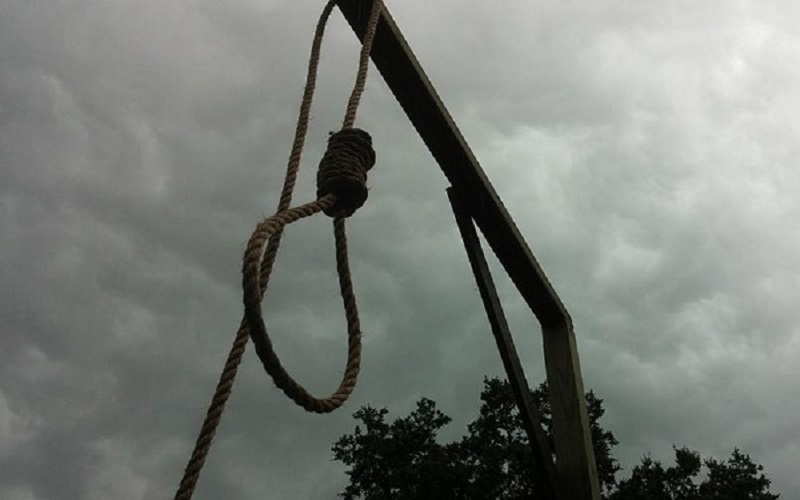

Amnesty International’s recently released report, DEATH PENALTY 2023, reveals a dramatic surge in executions in Iran, reflecting a grim reality of intensified state repression and human rights abuses. The report indicates that at least 853 people were executed in 2023, marking a staggering 48% increase from the 576 executions recorded in 2022.
This alarming rise in executions appears to be a calculated effort by Iranian authorities to instill fear among the population and reinforce their grip on power. The impact of this brutal crackdown has been particularly severe on Iran’s Baluchi ethnic minority, who accounted for 20% of the recorded executions despite comprising only about 5% of the nation’s population. Additionally, the report notes that at least 24 women and five individuals who were minors at the time of their alleged crimes were among those executed.
A significant portion of these executions—at least 545—were carried out for offenses that, under international law, should not warrant the death penalty. These include drug-related crimes, robbery, and espionage. The use of the death penalty for drug-related offenses saw a notable surge, constituting 56% of the recorded executions in 2023, an increase of 89% from the 255 executions documented in the previous year.
Broader Human Rights Violations by the Iranian Regime
The rise in executions is a part of a broader pattern of human rights abuses perpetrated by the Iranian regime. The government has a long history of repressing dissent and violating fundamental human rights, including freedom of expression, assembly, and the right to a fair trial.
Repression of Protests and Political Dissent
In recent years, Iran has witnessed widespread protests against economic hardship, government corruption, and political oppression. The regime has responded with severe crackdowns, using excessive force, mass arrests, and even lethal violence to suppress peaceful demonstrations. Reports of torture and ill-treatment of detainees are common, with many protesters facing harsh prison sentences or even the death penalty.
Persecution of Ethnic and Religious Minorities
Ethnic and religious minorities in Iran, including the Baluchis, Kurds, Arabs, and Baha’is, face systemic discrimination and persecution. These groups often endure arbitrary arrests, unfair trials, and disproportionate use of the death penalty. The regime’s policies and practices towards these communities are part of an effort to stifle their cultural and political expressions and maintain control over minority regions.
Suppression of Women’s Rights
Women’s rights activists in Iran are frequently targeted by the regime. Despite some legal reforms, women continue to face severe restrictions in various aspects of their lives, including marriage, divorce, employment, and dress code. Activists campaigning for gender equality and an end to compulsory veiling have been harassed, arrested, and sentenced to lengthy prison terms.
Censorship and Control of Information
The Iranian government maintains strict control over media and the internet, curbing the free flow of information. Journalists, bloggers, and social media users who criticize the regime or report on sensitive issues often face harassment, arrest, and imprisonment. The state’s pervasive surveillance and censorship mechanisms aim to prevent the spread of dissenting opinions and maintain a tight grip on public discourse.
International Condemnation and Call for Action
The international community, including human rights organizations and foreign governments, has repeatedly condemned Iran’s use of the death penalty and its broader human rights violations. Amnesty International’s report underscores the urgent need for global action to hold the Iranian regime accountable for its actions and to advocate for the protection of human rights in Iran.
Efforts to pressure the Iranian government through diplomatic channels, sanctions, and support for civil society initiatives are essential to address these violations. There is a pressing need for international solidarity with the Iranian people, particularly those from marginalized communities and those who risk their lives to stand up against oppression.
Conclusion
Amnesty International’s DEATH PENALTY 2023 report highlights a disturbing increase in executions in Iran, reflecting the regime’s broader pattern of human rights abuses. The international community must act decisively to address these violations and support the Iranian people in their struggle for justice and human dignity.