

Over 840 executions recorded in 2025; UN highlights systematic use of death penalty against dissidents, minorities, and activists.
The United Nations has issued a stark warning over the escalating use of the death penalty in Iran, urging the regime to halt executions and impose a moratorium as a first step toward abolition.
According to figures released by the Office of the High Commissioner for Human Rights (OHCHR), Iranian authorities executed at least 841 people between January and 28 August 2025. The report highlights that in July alone, 110 individuals were put to death—more than double the number recorded in July of last year.
UN officials described this surge as a clear indication of a systematic policy, with executions being used as a tool of state intimidation, disproportionately targeting ethnic minorities, migrants, and political dissidents.
Among those facing imminent execution are 11 prisoners, including six accused of alleged ties to the opposition group Mojahedin-e-Khalq (MEK) and five linked to the 2022 nationwide protests. The UN also noted the case of Sharifeh Mohammadi, a workers’ rights activist whose death sentence was upheld by the regime’s Supreme Court on 16 August 2025.
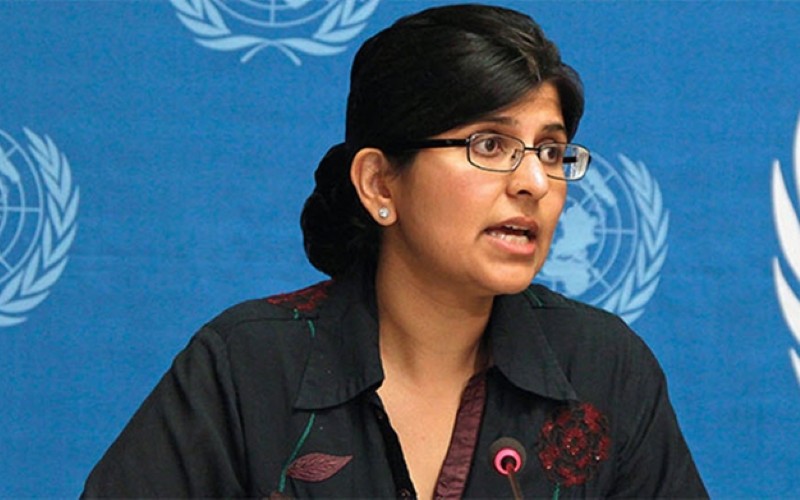
“The death penalty is incompatible with the right to life and irreconcilable with human dignity,” stated UN spokesperson Ravina Shamdasani, stressing that capital punishment carries an “unacceptable risk of executing innocent people” and should never be applied to conduct protected under international human rights law.
UN High Commissioner for Human Rights Volker Türk reiterated his demand for the Iranian regime to suspend all executions and move toward abolishing the death penalty altogether.
The alarming rise in executions underscores growing international concern that the Iranian regime is weaponizing capital punishment to suppress dissent and maintain control, despite global pressure to join the worldwide movement against the death penalty.