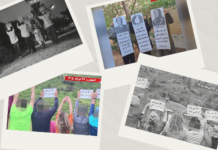
On Friday, October 31, PMOI Resistance Units returned to Zahedan’s streets — a youthful uprising that rejects both the clerical regime and any return to monarchical rule, demanding a democratic republic.
On Friday, October 31, Zahedan’s streets once again witnessed a public display of defiance as PMOI Resistance Units resumed anti-regime activity. The action underscored a resolute national uprising: not merely an effort to topple theocratic rule, but a movement aimed at establishing a democratic republic that rejects all forms of dictatorship.
The demonstrations carried a clear theme — the centrality of Iran’s youth. Activists, many of them young, presented a determined vision for the country’s future, insisting that popular sovereignty must replace clerical domination. Signs and messages emphasized that Generation Z and younger Iranians are not passive victims of the present order but the driving force of change.
October 31—Zahedan
PMOI Resistance Units resume weekly anti-regime activities, supporting a national uprising for regime change and the establishment of a democratic republic that rejects all forms of dictatorship. pic.twitter.com/rWlePV4F8Z— People's Mojahedin Organization of Iran (PMOI/MEK) (@Mojahedineng) November 1, 2025
Protesters conveyed their grievances in stark terms: they blamed the clerical regime for delivering “unemployment, poverty and executions” to the country’s young people, and declared their intent to expose and overthrow that injustice. Their actions are testimony to a generational shift: the cohort the regime sought to suppress has instead become the engine of resistance.
A defining feature of the Zahedan demonstrations was an uncompromising rejection of any return to past forms of tyranny. Activists made clear that the movement opposes not only the clerical leadership but also any attempt to restore monarchical rule. Slogans and banners framed the demand simply: a dictator remains a dictator regardless of title or robes, and Iranians will accept neither crown nor clerical rule. The movement’s political objective is systemic change, summed up in calls for “neither monarchy nor leadership — democracy and equality.”
Organizers also linked the contemporary struggle to Iran’s longer history of nationalist and democratic aspirations. Banners invoked historical figures associated with national sovereignty — from Cyrus the Great to Mohammad Mossadegh — positioning the current uprising as a continuation of that legacy. By referencing these symbols, protesters framed their cause as a bid to reclaim Iran’s dignity and independence.
The message from Zahedan reflects a broader mood across the country. The youth-led movement now articulates not only opposition but also a positive alternative: a democratic republic grounded in popular sovereignty and equal rights. Demonstrators insist that the era of all kinds of dictatorship — whether religious or monarchical — must end, and that Iran’s sovereignty belongs to its people.
Zahedan’s protest on October 31 therefore stands as both a warning and a proclamation: the younger generation is mobilized, organized, and vocal in pursuit of fundamental political change. Whether the movement succeeds will depend on its resilience and the extent to which it translates street momentum into lasting political transformation. For now, the streets of Zahedan — like those in many other Iranian cities — signal that a new chapter in Iran’s struggle for democracy is very much underway.