



As regional tensions escalate and the specter of war looms over Iran, history reminds us that foreign military intervention cannot deliver freedom. Lasting democratic change can only be achieved through the organized struggle and determination of the Iranian people.
The Iranian regime’s decision on June 9 to launch dozens of missiles and ignite yet another regional confrontation has once again placed the Iranian people in the shadow of a dangerous and unnecessary war. As military retaliation targeted numerous regime military installations, it became clear—as it always does—that the ultimate victims of such adventurism are not those sitting in positions of power, but ordinary citizens already burdened by decades of repression, economic hardship, and political isolation.
At a moment when military tensions dominate headlines and fears of wider conflict continue to grow, a troubling reality has emerged inside Iran. Some citizens, exhausted by years of dictatorship, corruption, poverty, executions, and the systematic closure of all peaceful avenues for change, have begun to view the prospect of foreign military confrontation with a degree of hope.
This sentiment should not be mistaken for support for war. Rather, it reflects the depth of despair felt by millions of Iranians who have watched the regime crush dissent, silence opposition, and deny the population even the most basic political freedoms. When a society is deprived of meaningful pathways for change, some inevitably begin to look toward external events as a possible catalyst for transformation.
Yet history offers a clear warning: war is not a path to freedom.
The People Pay the Price of War
Modern history provides countless examples demonstrating that foreign military conflict does not solve a nation’s underlying political crises. While military strikes may eliminate certain commanders, damage strategic facilities, or weaken elements of a ruling establishment, they rarely dismantle entrenched systems of repression on their own.
Instead, the costs fall overwhelmingly on ordinary people.
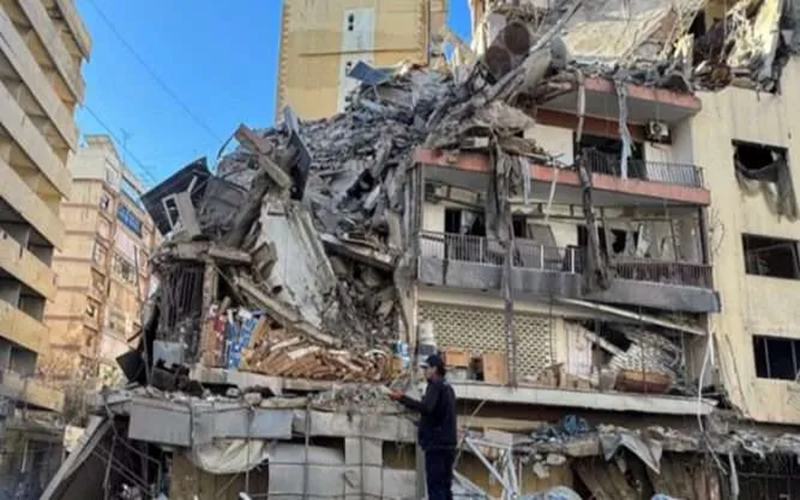
Destroyed infrastructure, economic collapse, displacement, unemployment, inflation, psychological trauma, and social instability are among the inevitable consequences of war. Entire generations can be forced to live with the scars left behind by conflicts they neither started nor wanted.
For the Iranian people—already struggling under severe economic pressure and widespread social hardship—the consequences of a larger military conflict could be devastating.
Great Powers Pursue Interests, Not Democracy
Another lesson repeatedly confirmed by history is that international powers act primarily according to strategic and geopolitical interests rather than democratic ideals.
Governments that intervene militarily do so to advance objectives that serve their own national interests. The promotion of democracy is often presented as a justification, but historical experience shows that foreign intervention has frequently produced instability, prolonged conflict, and new forms of authoritarianism rather than genuine freedom.
The belief that democracy can be delivered from abroad has consistently proven illusory.
Freedom, justice, and democratic governance cannot be imported through military force. They must be built by the people who will ultimately live under them.
Why Desperation Creates False Hopes
At the same time, it would be a mistake to dismiss the feelings of those Iranians who see conflict as a possible opportunity for change.
Their frustration is rooted in real conditions. Years of economic decline, widespread corruption, political repression, discrimination, and social exclusion have left many feeling trapped. The regime’s relentless use of executions, arbitrary arrests, and intimidation has further deepened the sense that peaceful change is impossible.
The international community’s frequent failure to respond decisively to human rights abuses inside Iran has only reinforced this perception. Many citizens have watched political prisoners suffer, protesters face brutal crackdowns, and dissidents receive harsh sentences with little meaningful international action.
Under such circumstances, it is understandable that some lose faith in internal change.
But understanding this despair does not mean embracing its conclusions.
Desperation is not a political strategy. Hoping that war will achieve what organized resistance and popular mobilization have not yet accomplished is a dangerous illusion.
Iran’s Future Will Be Won by Its People
The future of Iran will not be determined by missiles, airstrikes, or foreign military calculations. Sustainable political change emerges from the determination of a nation’s citizens, from organized resistance to dictatorship, and from the collective struggle for democratic rights.
History’s most enduring democratic transformations were not imposed by foreign bombs. They were achieved by peoples who refused to surrender their aspirations for freedom and who ultimately became the authors of their own destiny.
For Iran, the path toward a democratic republic does not run through foreign battlefields. It runs through the courage of citizens, the perseverance of democratic opposition, and the growing demand for accountability, freedom, and popular sovereignty.
War may become a reality imposed upon a nation. But it can never serve as a blueprint for building a free society.
No bomb can build democracy. No missile can replace the will of a people. The only force capable of securing a free and democratic future for Iran is the Iranian people themselves.